Understanding water mitigation vs water restoration helps you make better decisions in the first hours after a water loss. This guide breaks down water mitigation vs water restoration in plain terms.
When water damage hits your property, you need to know the difference between mitigation and restoration because they solve different problems. Mitigation stops the damage from spreading by removing water, drying materials, and protecting the structure. Restoration comes later, when you repair and rebuild what’s been affected. If you act fast, you can limit costs and reduce hidden damage, but the next step depends on what the water has already done.
Key Takeaways
- Water mitigation stops active water damage by removing water, drying structures, and preventing further harm.
- Water restoration begins after mitigation and returns the property to its pre-loss condition.
- Mitigation matters because it reduces mold risk, limits demolition, and preserves salvageable materials.
- Restoration matters because it completes repairs, replaces damaged materials, and restores normal use.
- Understanding the difference helps property owners choose the right service and respond faster after water damage.
What Is Water Mitigation?
Water mitigation is the immediate response that stops water damage from getting worse. You act fast to remove standing water, control moisture, and protect building materials before they fail.
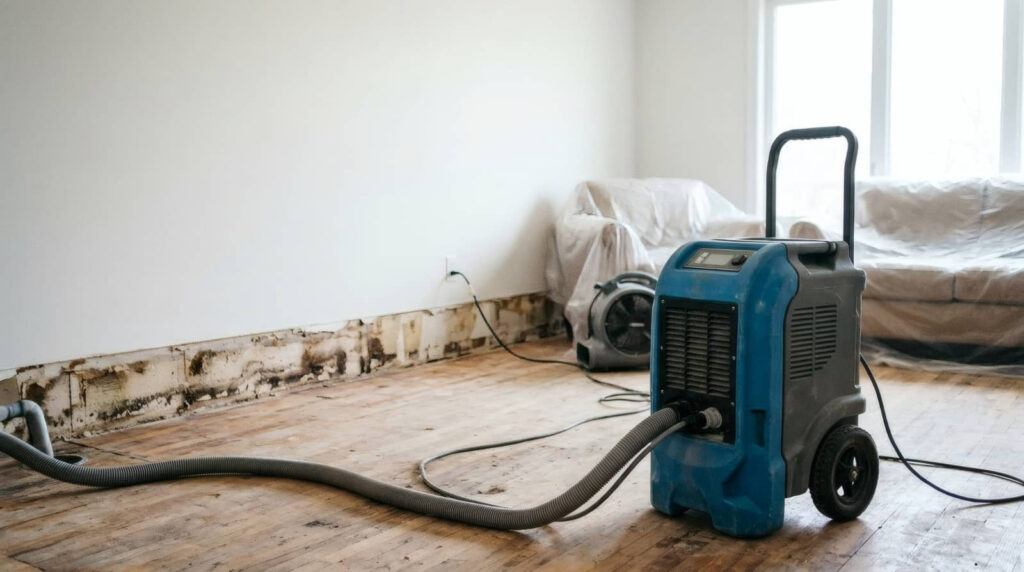
In water mitigation vs water restoration, mitigation is the first critical step; it limits spread, reduces structural risk, and helps you keep your property safe. You’ll use extraction, drying, dehumidification, and containment to stabilize the affected area.
You also inspect hidden spaces, such as wall cavities and subfloors, because trapped moisture can keep causing harm. When you move quickly, you protect your home, your routine, and your sense of control.
You’re not facing this alone; the right response team helps you restore stability with clear, practical steps.
Water Mitigation vs Water Restoration
When you apply mitigation, you stop the water intrusion and limit further structural or material damage.
Restoration comes after, when you remove affected materials, dry the space, and return the property to pre-loss condition.
You’ll usually need both steps, but they serve different stages of the recovery process.
Mitigation Stops Ongoing Damage
Mitigation starts by stopping the active source of damage so the problem doesn’t keep spreading. You shut off water, isolate the affected area, and remove standing moisture before it can migrate into framing, insulation, and subfloors.
This step reduces structural weakening, mold risk, and corrosion, and it helps you regain control fast. You’ll often see teams use extraction, air movement, and targeted drying to stabilize conditions while they document the loss.
That matters because every hour counts when materials stay wet. Mitigation isn’t about finishing the space; it’s about protecting what’s still salvageable.
When you act quickly, you limit the size of the loss and create a clear path for the next phase. You’re not alone here.
Restoration Returns Full Recovery
Restoration takes over after mitigation has stabilized the loss and brings the space back to pre-damage condition. You then move from emergency control to full recovery, where every wet material gets evaluated, dried, repaired, or replaced.
Technicians remove contaminated debris, sanitize affected surfaces, verify moisture levels, and rebuild damaged drywall, flooring, insulation, and trim. You’re not just stopping spread; you’re restoring safety, function, and comfort.
This phase also addresses hidden problems like warped framing, microbial growth, and compromised finishes. When you complete restoration correctly, you regain a space that looks right, works right, and feels like home again.
That’s why restoration matters: it closes the loop, protects your investment, and helps you rejoin normal life with confidence.
Why Fast Water Mitigation Matters
Fast water mitigation matters because you can stop moisture from wicking into framing, subfloors, and insulation before structural damage spreads.
You also reduce the conditions that let mold colonize damp materials, especially when humidity stays elevated for more than 24 to 48 hours.
Acting quickly can limit demolition scope, shorten drying time, and cut overall repair costs.
Prevent Structural Damage
When water enters a building, every minute increases the risk of warping, swelling, and weakening structural materials. You need to act fast because drywall, subfloors, framing, and insulation absorb moisture quickly and can lose dimensional stability.
Mitigation teams remove standing water, extract hidden moisture, and control conditions before materials begin to deform under load. If you wait, fasteners loosen, joints open, and finishes separate from their substrates, creating avoidable repair work.
You protect your property when you stabilize the structure early and limit how far water travels through assemblies. That’s why you belong with a response plan that treats mitigation as the first line of defense.
Quick action helps preserve the building’s integrity, reduces costly reconstruction, and keeps your space safer for everyone.
Reduce Mold Growth
Stopping structural damage also helps you limit one of the biggest secondary threats after a water event: mold growth.
When you act quickly, you lower moisture levels before spores can colonize drywall, insulation, wood, and carpet backing. You should remove standing water, increase airflow, and dehumidify affected areas right away.
Keep indoor humidity low and isolate wet materials so you don’t spread contamination through the home. If you belong to a household recovering together, clear communication matters: everyone should avoid entering saturated rooms without protection.
Fast mitigation won’t just dry surfaces; it interrupts the conditions mold needs to establish. That means fewer visible stains, less musty odor, and a healthier environment while you move toward full restoration with confidence and control.
Limit Repair Costs
Rapid water mitigation can dramatically reduce repair costs because it limits how far moisture spreads into framing, flooring, insulation, and finishes.
When you act fast, you’re more likely to dry salvageable materials instead of replacing entire assemblies. That means fewer demolition labor hours, less disposal, and smaller material orders.
You also reduce the chance of hidden damage that drives change orders later. If you’re part of a property team or homeowner group, fast response helps everyone stay aligned on budget and scope.
Moisture meters, air movers, dehumidifiers, and containment all work best early, before secondary damage compounds.
Mitigation doesn’t eliminate restoration, but it keeps the restoration smaller, faster, and more predictable. That’s how you protect both the structure and your wallet.
What to Do Right After Water Damage
Right after water damage, you need to focus on mitigation first: stop the source, shut off الكهرباء or power if needed, and remove standing water before damage spreads.
Next, protect yourself and your team by wearing gloves, boots, and a respirator if the water’s contaminated. Move furniture, electronics, and documents to a dry area, then lift cushions and rugs to improve airflow.
Open windows only if outdoor conditions help drying, and run fans and dehumidifiers to reduce moisture fast. Photograph affected areas for records, but don’t delay cleanup to do it.
Check ceilings, baseboards, and cabinets for active seepage. If you act quickly and methodically, you’ll limit secondary damage and keep the space safer for everyone who depends on it.
When Water Restoration Becomes Necessary
Water restoration becomes necessary once the immediate threat is under control and the focus shifts from stopping damage to repairing the space. You need it when water has soaked drywall, flooring, insulation, or framing, because hidden moisture can keep spreading damage after mitigation ends.
At that point, you’re no longer just removing water; you’re drying structural materials, cleaning affected surfaces, replacing unsalvageable components, and restoring safe indoor conditions. If you notice lingering odors, staining, warping, soft walls, or elevated humidity, restoration isn’t optional.
It helps you bring your home back to a stable, usable state and protects the people who live there. This step matters because full recovery means more than drying out; it means making your space feel solid, clean, and yours again.
How to Choose a Water Damage Service
Choosing a water damage service starts with matching the provider to the job: you need a team that can handle mitigation, restoration, or both, depending on how far the damage has spread.
Check whether they offer rapid extraction, structural drying, moisture mapping, and mold prevention. You should also verify licensing, insurance, and certifications, because those signal proper training and accountability.
Ask how they document losses, communicate with your insurer, and estimate timelines, so you know what to expect. A strong provider responds quickly, uses calibrated equipment, and explains each step clearly.
When you choose well, you join a crew that protects your property and helps you recover with confidence, not guesswork.
Frequently Asked Questions
Does Homeowners Insurance Cover Both Mitigation and Restoration Costs?
Usually, you’re covered for both if the damage is sudden and accidental, but you’ll pay deductibles and policy limits apply. You should verify exclusions, document losses fast, and contact your insurer immediately.
How Long Does the Water Mitigation Process Usually Take?
You’ll usually spend 24 to 72 hours on mitigation, though severe damage can take longer. You’ll get faster results when you report the leak quickly, remove standing water, and keep drying equipment running continuously.
Can I Stay in My Home During Water Mitigation Work?
You can stay if the damage stays contained, the air stays safe, and the crew can work around you. You’ll need clear access, steady ventilation, and strict safety checks to protect your home and family.
What Equipment Is Typically Used During Water Restoration?
You’ll typically use air movers, dehumidifiers, moisture meters, HEPA vacuums, extraction pumps, and antimicrobial sprayers. You’ll also need PPE, drying mats, and infrared cameras to speed drying, verify conditions, and restore your space safely.
How Can I Tell if Hidden Mold Is Developing After Water Damage?
You’ll often spot hidden mold by musty odors, peeling paint, warped drywall, and recurring allergies. Check damp, dark cavities with a moisture meter or borescope, because the quietest spots often announce the loudest problems.
When weighing water mitigation vs water restoration, remember that mitigation stops the damage while restoration repairs it. Looking at water mitigation vs water restoration this way makes it clear why both stages matter. A trusted contractor can explain water mitigation vs water restoration for your specific loss.
Summary
You can’t treat water damage as one problem, because mitigation and restoration serve different purposes. You stop the source, extract moisture, and stabilize the structure first; then you restore damaged materials and finishes. Acting fast limits secondary damage, mold growth, and hidden structural deterioration. When you choose a qualified service, you get a coordinated response that protects your property and budget. That old maxim still holds: haste, done right, saves you from costly repairs.
Knowing how water mitigation vs water restoration fits together keeps your recovery on track from day one. Our crews handle both sides of water mitigation vs water restoration, from extraction to final repairs. Have questions? Reach out to our team.