
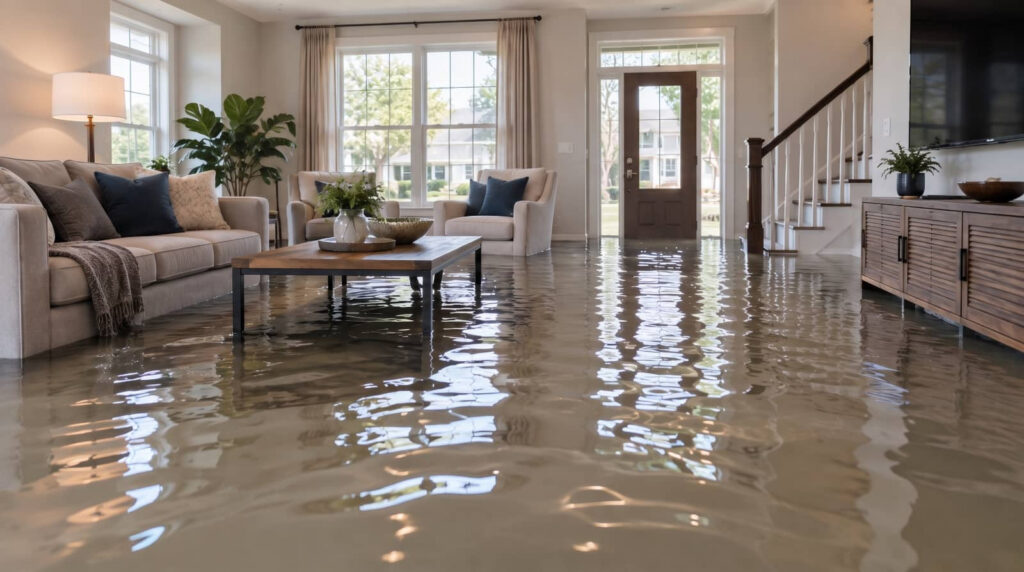
If your home has taken on a bit of water, your first move is to protect people and limit the damage. Get everyone to safety, shut off power and gas if you can do it safely, and wear protective gear before you step back inside. Then photograph everything, list what’s affected, and move dry items to higher ground. What you do in these first hours can shape the rest of recovery.
Key Takeaways
- Prioritize safety: shut off electricity and gas, and evacuate if you smell gas or see structural damage.
- Document all flood damage with photos, videos, and notes before moving or cleaning anything.
- Contact your insurer and local emergency resources as soon as possible.
- Remove standing water, ventilate the area, and use fans or dehumidifiers to start drying.
- Separate damaged items, keep receipts, and track expenses for insurance and recovery claims.
What to Do Right After Flood Damage
Right after flood damage, your first priority is to protect everyone’s safety and limit further harm to the property.
Next, contact your insurer and local emergency resources, then begin a clear record of what to do after flood damage.
Take photos and video of every affected room, item, and surface before you move anything.
Make a list of damaged belongings, noting brand names, approximate ages, and values.
Save receipts for emergency purchases and repairs.
If you can, protect undamaged items by moving them to a dry area and opening windows for ventilation.
Keep children and pets away from the affected space, and stay connected with trusted neighbors, friends, or family who can help you stay organized and calm.
Make the Home Safe First
Before you enter a flood-damaged home, make sure it’s safe to do so. Turn off electricity and gas if you can do it from outside, and never step into standing water near outlets or appliances.
Wear boots, gloves, and a mask to protect yourself from sharp debris, mold, and contaminated water. Check for sagging ceilings, cracked walls, warped floors, and shifting foundations before moving farther inside.
If you smell gas, hear hissing, or see structural damage, leave right away and call professionals. Keep children and pets out until the space is cleared.
Trust your instincts: if something feels unstable, it probably is. You’re not handling this alone, and taking these precautions gives your family the safest possible start.
Document Flood Damage for Insurance
Once it’s safe to enter, start documenting every sign of flood damage for your insurance claim.
Walk through each room and take clear photos and short videos of walls, floors, furniture, appliances, and personal items. Capture wide shots first, then close-ups of stains, mud lines, warped materials, and ruined belongings.
Write down what was damaged, where it was located, and when you found it. Keep receipts for emergency purchases, temporary repairs, and any cleanup supplies you buy.
Don’t throw anything away until your insurer tells you it’s okay, because damaged items can help prove your loss. Store copies of everything in the cloud or with a trusted friend.
You’re not doing this alone; careful records give your claim the strongest possible start.
Stop More Water and Mold Growth
First, shut off the water source so no more damage can spread.
Then ventilate the affected areas to help dry things out and slow mold growth.
Remove wet materials quickly, because the longer they stay in place, the greater the risk of mildew and structural damage.
Shut Off Water Source
Shut off the water source as soon as you can to stop more damage and slow mold growth.
If the leak comes from a sink, toilet, appliance, or pipe, find the nearest valve and turn it clockwise. If you can’t stop it safely, shut off the main supply. That step protects your home and helps your cleanup team work faster.
If the water line is shared, let neighbors or family members know so no one gets caught off guard.
After that, avoid using fixtures until you confirm the source is secure. You’re taking the right first move here: control the water, reduce risk, and keep your recovery on track.
A quick response now helps your space stay safer and gives you a stronger start together.
Ventilate Affected Areas
Open windows and doors when it’s safe to do so, and use fans or a dehumidifier to move damp air out of the area. Good airflow helps slow mold growth and makes the space easier to work in.
If you can, create cross-ventilation by opening opposite openings and directing fans toward the exit. Keep air moving day and night until the area feels drier.
Watch for trapped humidity in closets, corners, and behind furniture, and adjust airflow as needed. If outdoor conditions are wet, rainy, or unsafe, wait and use indoor ventilation only.
You’re not fixing everything at once—you’re making steady, smart progress. Stay alert, stay calm, and keep the space breathing while you prepare for the next cleanup step.
Remove Wet Materials
Start pulling out wet materials as soon as you can safely do it, because anything that stays soaked can feed mold and keep damage spreading.
You should remove carpets, rugs, furniture padding, cardboard, paper goods, and any porous items that soaked up floodwater. Bag smaller items right away and move them outside or to a dry, airy space.
If drywall, insulation, or baseboards feel damp, cut them out if they’re contaminated or won’t dry within 24 to 48 hours.
Wear gloves, boots, and a mask, and keep kids and pets away from the work area.
As you clear items, sort what can be cleaned from what must go. You’re not just cleaning up; you’re protecting your home, your health, and your recovery team.
Salvage What You Can
Carefully sort through the damaged items and salvage anything that can be safely cleaned, dried, or repaired.
Set aside sturdy furniture, metal tools, hard plastics, and sealed containers if they’re only lightly affected.
Keep family photos, documents, and keepsakes separate so you can handle them with care.
Label each item as keep, clean, or discard, and group similar pieces together to make the next steps easier.
If you’re unsure about an item, trust your judgment and put safety first.
You’re not alone in this process; many people rebuild one careful decision at a time.
Focus on what still has value, and let go of anything that can’t be restored without risking your health or the rest of your home.
Remove Standing Water and Moisture
Get the standing water out as soon as it’s safe to do so, because the longer moisture sits, the more damage it can cause.
Use a wet-dry vacuum, mop, buckets, or a pump if you have one, and work from the lowest area toward the exit. Wear gloves and boots, and keep cords away from wet floors.
Open windows if weather allows, and run fans and dehumidifiers to pull dampness from the air. Lift rugs, cushions, and other wet items so air can circulate underneath.
Check hidden spots like under sinks, behind baseboards, and inside closets, because moisture often lingers there.
If water keeps returning or the area feels unsafe, step back and call a professional. You’re not handling this alone; steady, careful action helps your space recover.
Clean Flooded Areas Thoroughly
Scrub and sanitize every flooded surface as soon as it’s safe, because floodwater often leaves behind mud, bacteria, and other contaminants. Use gloves, boots, and an approved cleaner, then wash walls, floors, countertops, cabinets, and belongings that can be safely salvaged.
Work from top to bottom so dirt doesn’t spread, and rinse away residue before disinfecting. Change wash water often, especially when it turns cloudy.
If you’re cleaning with family or neighbors, assign simple tasks so everyone stays protected and the work moves steadily. Throw out items that can’t be fully cleaned or disinfected.
Keep the area ventilated while you work, and follow product directions carefully. A thorough cleanup helps your space feel livable again and gives you a strong, shared starting point for recovery.
Dry Walls, Floors, and Furniture
Next, dry every affected surface as quickly as you can to slow mold growth and further damage. Open windows if the weather helps, run fans, and use dehumidifiers to pull moisture from the air.
Move furniture off wet flooring and place foil or wood blocks under legs so air can circulate. Lift rugs, cushions, and bedding, then spread them apart to dry.
Wipe walls from the top down, since water can wick upward behind paint and trim. If you notice soft drywall, swelling, or a musty odor, keep drying and watch it closely.
Remove baseboards only if needed for airflow. Check hidden corners, closets, and under furniture so no damp spots stay behind.
You’re doing the right thing by acting fast and staying methodical.
Call Flood Recovery Pros
When the damage is widespread, contaminated, or reaching hidden spaces, call a flood recovery professional right away so you can limit further loss and avoid safety risks.
You don’t have to handle every step alone; trained crews bring the right equipment, protect your home, and work with you like a steady team. They can inspect walls, flooring, insulation, and structural areas you can’t easily see, then remove moisture, debris, and materials that may keep causing damage.
A trusted specialist also helps you identify hidden hazards such as mold growth, electrical concerns, and weakened surfaces.
Track Costs and Next Steps
Keep every receipt, invoice, and estimate so you can document all flood-related expenses clearly.
Track each cost as it comes in, and note what it covers for your records and any insurance claim.
Then map out your next recovery actions so you can move forward with a clear, organized plan.
Document All Expenses
As you begin cleanup, document every expense and note each next step so you can stay organized and support any insurance claim. Save receipts for pumps, tarps, gloves, cleaning supplies, and any professional help you pay for.
Record dates, vendor names, and brief notes about what each item covered. If you talk with an adjuster or contractor, write down the time, name, and key details right away.
Keep one folder for photos, another for paperwork, and a simple log for mileage or lost materials.
- Photograph receipts before they fade
- Use a notebook or phone app daily
- Back up files so nothing gets lost
You’re not overdoing it; you’re building a clear record that helps your household move forward with confidence.
Plan Recovery Actions
Map out your recovery steps now so you can stay organized and control costs.
Next, list each task in order: water removal, drying, debris disposal, repairs, and inspections. Assign a timeline and note who’ll handle each job, whether it’s you, contractors, or your insurer.
Keep a running log of every estimate, receipt, and phone call so you can compare options and avoid surprises. If you need help, connect with trusted neighbors, local recovery groups, or your insurance adjuster early. Their guidance can keep you moving and prevent missed steps.
Review your plan daily and adjust it as conditions change. When you track costs and next steps together, you protect your budget, reduce stress, and stay part of a community working toward recovery.
Frequently Asked Questions
How Long Do Flood Cleanup Supplies Usually Last?
Flood cleanup supplies usually last one job, sometimes a few days if you’ve got a lot to dry and disinfect. You should restock gloves, masks, bleach, and trash bags as you go.
Can I Return Home if Floodwater Reached the Garage?
Yes, you can return home if the garage-only flooding stayed outside living spaces, but don’t guess. Check for electrical hazards, structural damage, and contaminated water. If anything feels off, you’ll protect yourself by waiting.
What Records Should I Keep for FEMA Assistance?
Keep receipts, photos, videos, insurance claims, repair estimates, and lists of damaged items. Save FEMA letters, contractor quotes, and temporary housing records. You’ll strengthen your case and move faster toward assistance.
When Should I Replace Contaminated HVAC Filters?
Replace contaminated HVAC filters immediately after floodwater exposure, not later. You’ll protect clean air and prevent spread. If the system ran while wet, don’t wait—have it inspected, then replace filters before restarting.
How Do I Tell if Flood Damage Affects Resale Value?
Flood damage usually lowers resale value if you can’t prove repairs, permits, and dry-out were completed. You’ll protect your price by documenting cleanup, inspections, and disclosures, and by fixing hidden moisture before listing.
Review
You’ve got enough chaos without playing hero, so start with safety, then document the damage like your future claim depends on it—because it does. Turn off power and gas, keep out of unstable rooms, and move only what you can save. Dry things fast, clean thoroughly, and call in pros when the mess starts acting bigger than you are. Track every cost, every step, and every receipt. Floods leave; paperwork lingers.