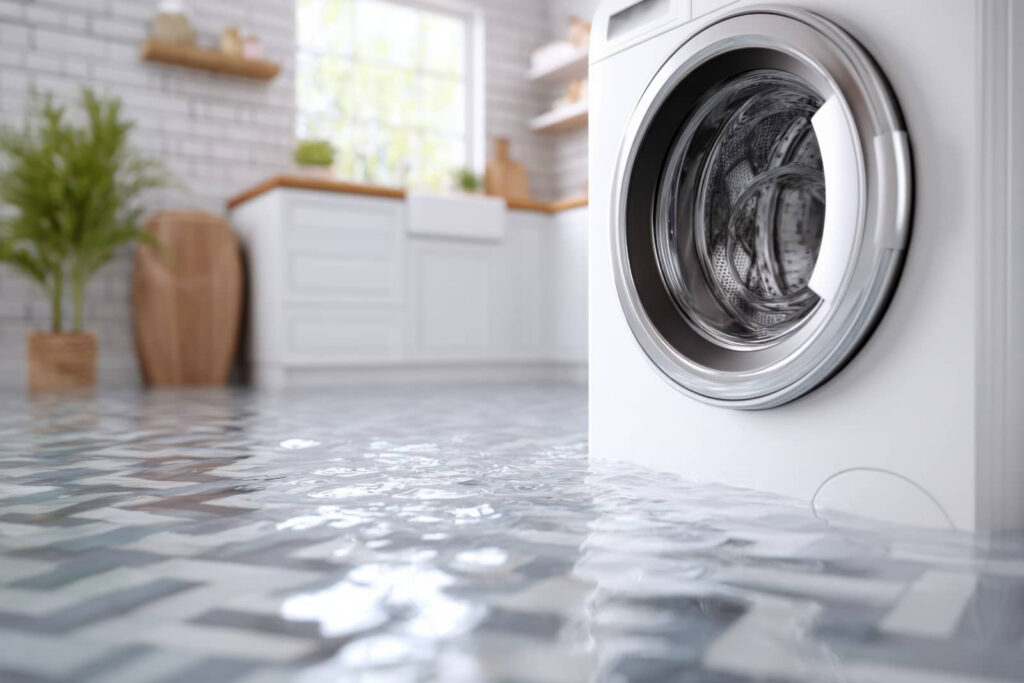
Most commercial water losses cause hidden moisture migration within hours, even when surfaces appear dry. Water Damage Repair for Commercial Property should begin by isolating the source, documenting conditions, and starting controlled drying immediately to reduce the risk of structural damage, code issues, and insurance disputes. You also need to determine whether repairs require selective demolition, material testing, or occupant safety measures. The next steps determine how quickly you can restore operations and how much of the loss you can actually recover.
Key Takeaways
- Stop the water source, isolate الكهرباء if safe, secure the area, and document all visible damage with photos and timestamps.
- Repair is needed when you see staining, swelling, corrosion, recurring moisture, or threats to occupant safety and building operations.
- Effective commercial water damage repair includes assessment, moisture mapping, source control, structural drying, and selective removal of damaged materials.
- Repair costs depend on intrusion extent, hidden moisture migration, restoration materials, specialized equipment, compliance needs, and business interruption impacts.
- Choose a licensed, insured commercial restoration team with OSHA training, clear documentation, daily reporting, and experience in regulated environments.
What Should You Do First After Water Loss?
After water loss affects your commercial property, you should first stop the source if it’s safe to do so, secure the area, and document visible damage for insurance and compliance purposes.
Then, isolate electricity and restrict access to protect occupants, vendors, and your team. You’ll want to identify affected zones, inventory damaged assets, and preserve records, including photos, timestamps, and maintenance logs.
Contact your insurer and a qualified provider of water damage repair for commercial property to support mitigation planning and operational continuity.
Prompt extraction, moisture mapping, and humidity control help limit secondary damage to finishes, equipment, and building assemblies.
By acting methodically, you align with safety requirements, support claims accuracy, and help your organization recover faster together.
This disciplined first response strengthens resilience across your facility and community.
When Do You Need Commercial Water Damage Repair?
When do you need commercial water damage repair? You need it whenever water intrusion affects building materials, operations, or compliance exposure.
If you see staining, swelling, delamination, corrosion, microbial risk, or recurring moisture readings, your property has moved beyond a simple cleanup issue. The same applies after roof leaks, plumbing failures, appliance overflows, sprinkler discharge, storm infiltration, or unnoticed seepage behind walls.
You should also act when water loss threatens occupant safety, disrupts critical systems, or increases downtime risk.
In commercial settings, delayed response can compound structural deterioration, indoor environmental concerns, and documentation challenges tied to insurance or regulatory obligations.
What Does Commercial Water Damage Repair Include?
Commercial water damage repair includes a controlled sequence of assessment, mitigation, material restoration, and verification that returns your property to a safe, functional condition.
You can expect documented moisture mapping, source control, containment, extraction, structural drying, humidity management, and antimicrobial application where conditions justify it. These steps protect occupants, limit secondary damage, and support code-aligned recovery.
Your repair scope may also include selective demolition, debris removal, cleaning, odor control, and restoration of drywall, insulation, flooring, ceilings, trim, and electrical components affected by water intrusion.
You should receive clear records of moisture readings, drying goals, and post-repair confirmation that materials meet acceptable standards.
When each phase is completed methodically, your facility returns to service with stronger confidence, safer conditions, and a recovery process your organization can stand behind together.
How Do You Choose a Repair Team?
Once you understand the repair scope, you need a team that can execute it safely, document it thoroughly, and keep your property aligned with operational and compliance requirements.
Verify licensing, insurance, OSHA training, and experience with commercial assemblies, occupancy constraints, and regulated environments.
Choose a contractor that follows written moisture protocols, chain-of-custody practices, and project documentation standards.
You should expect clear scopes, daily reporting, photo logs, testing records, and communication paths that support your facilities staff, tenants, and leadership team.
Ask how they coordinate containment, infection-control measures, after-hours access, and phased repairs to reduce disruption.
Confirm they work effectively with hygienists, engineers, and adjusters when needed.
When your repair partner understands your operational priorities, you gain a team that protects your building, your people, and your continuity.
What Drives Commercial Water Damage Repair Costs?
Your repair cost depends first on how far water has spread, because greater intrusion increases demolition, drying time, and compliance documentation.
You’ll also see pricing shift based on the materials affected and the specialized equipment required to restore the property to operational and safety standards.
If the damage disrupts your operations, business interruption factors can further raise costs through accelerated scheduling, phased work, and recovery planning.
Extent Of Water Intrusion
Even a small increase in the extent of water intrusion can raise repair costs because it expands the affected area, drives longer drying times, and increases the likelihood of damage to structural materials, electrical systems, and interior finishes.
When water travels beyond the visible loss zone, you must address hidden migration in wall cavities, subfloors, shafts, and adjoining suites. That broader impact increases the scope of demolition, sanitation, documentation, and post-loss verification.
You’ll also face stricter moisture mapping, safety controls, and code-related evaluations to confirm the building can return to service without creating ongoing risk. By identifying the full spread early, you help your team contain liability, protect occupants, and support a compliant recovery path.
A thorough assessment keeps everyone aligned and gives your property the best chance of faster, more predictable restoration outcomes.
Material And Equipment Needs
Because commercial losses rarely involve a single surface or system, material and equipment needs can quickly drive repair costs as you scale drying, containment, and reconstruction to match the building’s conditions.
You may need desiccant or refrigerant dehumidifiers, air movers, HEPA filtration, moisture meters, and negative air setups to meet drying targets and protect adjacent areas.
Costs also rise when you replace saturated insulation, gypsum board, ceiling systems, flooring, millwork, or electrical components that can’t be safely restored.
If your facility includes specialty finishes, large open areas, or sensitive assemblies, you’ll need more labor, longer equipment runs, and stricter documentation.
When you align material selection, equipment sizing, and monitoring with recognized standards and your building requirements, you help your team restore the property efficiently, safely, and with confidence together.
Business Interruption Factors
When water damage disrupts core operations, business interruption often becomes a major cost driver alongside physical repairs. Your total loss exposure increases when tenants, staff, inventory flow, or production lines can’t function within required timelines.
Delays tied to moisture mapping, containment, drying verification, and post-loss documentation can extend downtime and affect reimbursement eligibility.
You can reduce interruption costs by coordinating restoration, facilities, risk management, and carrier communication early. Prioritize critical spaces, maintain code-compliant temporary systems, and document mitigation decisions daily.
If your property supports healthcare, food service, manufacturing, or data operations, regulatory shutdown requirements may increase labor, specialized cleaning, and clearance testing needs.
A qualified commercial water damage repair team helps you restore damaged materials, support faster operational recovery, and keep your organization aligned, resilient, and confidently moving forward together.
How Can You Prevent Future Water Damage Losses?
To prevent future water damage losses, you need a documented risk-control plan that addresses inspection, maintenance, and emergency response. You should assign accountability, set inspection intervals, and verify corrective actions through auditable records. Your team stays aligned when procedures are clear, practiced, and code-conscious.
- Picture roof drains flowing freely, with no ponding water, debris buildup, or flashing gaps.
- Imagine mechanical rooms with leak sensors, labeled shutoffs, and dry, unobstructed floor surfaces.
- See updated SOPs posted clearly, while staff drills reinforce response roles under pressure.
You can also install automatic water shutoff devices, test sump pumps, insulate vulnerable piping, and review tenant improvements for hidden exposure.
When you combine preventive maintenance with training and documentation, you protect operations, strengthen compliance, and help everyone contribute confidently and consistently.
Frequently Asked Questions
How Long Does Commercial Water Damage Repair Usually Take?
You can expect commercial water damage repair to take several days to several weeks, depending on damage severity, drying requirements, material replacement, and inspections. You’ll restore operations faster by documenting losses and following a compliant remediation plan.
Will Insurance Cover All Commercial Water Damage Repair Expenses?
No—your policy rarely covers every last penny; exclusions can swallow costs whole. You’ll need to verify limits, deductibles, cause-of-loss terms, code-upgrade provisions, and documentation requirements so your team can maximize eligible reimbursement and compliance.
Can Businesses Remain Open During Commercial Water Damage Repairs?
Yes, you can often remain open during commercial water damage repairs if you isolate affected areas, meet safety codes, maintain sanitation, and coordinate phased remediation. You’ll protect occupants, support compliance, and reduce operational downtime effectively.
Are Permits Required for Commercial Water Damage Restoration Work?
Yes, you often need permits for commercial restoration work; think of them as passports guiding your building safely home. You should verify local codes, scope, electrical, plumbing, and structural changes, so your team stays compliant.
How Do Repairs Differ for Historic Commercial Buildings?
You’ll repair historic commercial buildings by prioritizing preservation standards, matching original materials, and coordinating with preservation authorities. You must document conditions, use minimally invasive drying methods, and ensure code upgrades don’t compromise protected architectural features.
Final Thoughts
After a water loss, you need fast, documented action to protect your property, occupants, and operations. When you assess damage promptly, control moisture, and hire a qualified commercial repair team, you reduce downtime and support insurance and code compliance. Costs depend on scope, materials, and response speed, but prevention lowers future risk. Think of your building as a circuit: when you restore each system correctly, you don’t just dry it out—you bring safe, reliable performance back online.