
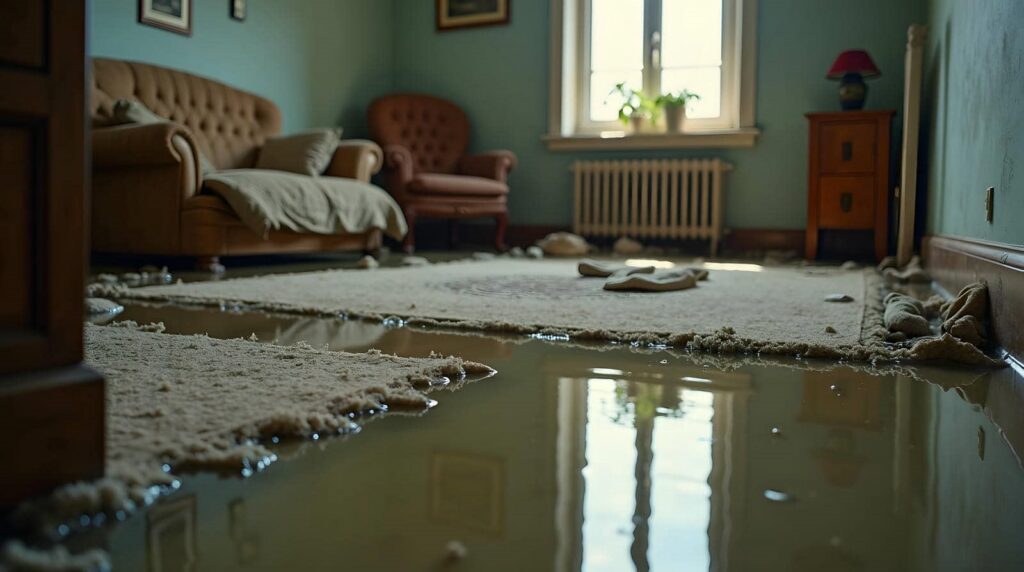
When ceiling water stains start to spread, you need to act fast to limit damage and avoid hidden structural problems. First, you have to stop the leak, then dry the area thoroughly and check for soft spots, sagging, or fresh discoloration. The right ceiling water damage repair depends on what the water has already done, and the next steps can save you from a much larger ceiling failure.
Key Takeaways
- Stop the leak source immediately by shutting off the water and checking plumbing, roof, or fixture areas above the stain.
- Dry the ceiling fast with fans, a dehumidifier, open airflow, and removed wet insulation if needed.
- Watch for spreading rings, peeling paint, soft drywall, sagging, or musty odors, which signal worsening damage.
- Repair damaged seals, loose fittings, caulk, or flashing before patching the ceiling surface.
- Inspect nearby plumbing, roofing, gutters, and ventilation regularly to prevent future water stains.
Stop the Ceiling Leak First
Before you repair the ceiling, you need to stop the leak at its source. You should shut off the affected water line, clear access to the plumbing, roof, or fixture above, and confirm the cause before starting ceiling water damage repair.
If you see loose fittings, damaged flashing, or a failed seal, correct that issue first so new moisture can’t keep feeding the ceiling. Use a flashlight, towels, and a dry container to manage any remaining drips while you work.
When you isolate the source, you protect the structure, reduce mold risk, and give your repair a stable base. You’re not handling this alone; every careful step brings your home back to a safer, cleaner condition.
How to Spot Ceiling Water Damage Early
Look up for early warning signs such as brown or yellow stains, peeling paint, soft drywall, musty odors, or slight sagging, because these often show up before a ceiling leak becomes severe.
You should also check for discoloration that grows after rain, hairline cracks around joints, and damp texture when you press gently on the surface.
In many homes, early damage appears around vents, light fixtures, and seams where moisture collects first.
If you notice a ring-shaped stain, treat it as active moisture until proven otherwise.
Trust your inspection and document changes with photos, so you can compare progress over time.
When you spot these clues early, you’re protecting your space, your routine, and everyone who lives there from bigger repair costs.
Dry Out Ceiling Moisture Fast
Start drying the ceiling immediately by stopping the water source, then increasing airflow with fans and a dehumidifier to pull moisture out of the material.
You should keep doors open between rooms so air moves freely, but aim airflow at the damp area without blasting it apart.
If the ceiling has insulation above it, you may need to remove wet sections so trapped moisture can escape.
Use a hygrometer to confirm the space is dropping toward normal humidity. Run equipment continuously until readings stabilize.
Keep the room warm, since moderate heat speeds evaporation.
You’re not handling this alone; a methodical drying setup protects your home and helps your space feel safe again.
If the material stays cool, soft, or damp, continue drying before moving on.
Signs Your Ceiling Needs Repair
Once the ceiling has had time to dry, you can check for clear signs it still needs repair. Look for discoloration that keeps spreading, visible rings, peeling paint, or a soft, bubbled surface.
If you press the area and it feels spongy, the drywall or plaster may still be compromised. You should also watch for cracks that widen, seams that separate, or areas that sag even slightly.
A persistent musty odor can signal trapped moisture behind the surface. If water stains return after drying, the leak source may still be active.
Trust these indicators: they help you decide when to bring in repair support. You’re not overreacting by checking closely; you’re protecting the room and keeping your space safe, solid, and comfortable.
Prevent Future Ceiling Water Damage Stains
To prevent future ceiling water damage stains, you need to stop moisture at its source and keep the ceiling assembly dry.
Inspect roofing, flashing, gutters, HVAC lines, and plumbing above the ceiling after every storm or service call. Seal gaps around vents, fixtures, and penetrations with approved materials, and replace failed caulk before water tracks inward.
Maintain attic ventilation and insulation so condensation doesn’t form on cold surfaces.
If you spot damp drywall, act quickly: dry the cavity, repair the leak, and repaint only after moisture readings return to normal.
You’ll protect your home and stay ahead of hidden damage when you document repairs, schedule routine checks, and bring in a qualified pro for persistent leaks.
Your space deserves that level of care, and you do too.
Frequently Asked Questions
How Long Should I Wait Before Repainting a Water-Damaged Ceiling?
You should wait until the ceiling’s moisture reads dry, usually 1–3 weeks after repair. Test with a meter, then prime stains and repaint. If you rush, you’ll trap moisture and risk new peeling.
Can Ceiling Water Damage Cause Mold Behind the Paint?
Yes—ceiling water damage can hide mold behind paint. You’re looking at a risk that affects nearly half of all homes with leaks. Inspect quickly, dry thoroughly, and you’ll protect your space and your people.
Should I Replace Insulation After a Ceiling Leak?
Yes, you should replace wet insulation after a ceiling leak because it can trap moisture, lose performance, and grow mold. You’ll protect your home and feel confident once you dry, inspect, and reinstall properly.
Is It Safe to Use a Ceiling Fan During Drying?
Yes, you can usually use a ceiling fan during drying if the fixture’s dry, stable, and powered safely. You should avoid it if wiring got wet, the ceiling sags, or you’re unsure.
Do Insurance Policies Usually Cover Ceiling Water Damage Repairs?
Usually, you’re covered if the damage came from a sudden, accidental event, but not from neglect or long-term leaks. You should review your policy, document the stains, and contact your insurer promptly for claim guidance.
Wrap-Up
When stains start to spread, you’ve got to stop the leak, dry the ceiling fast, and check for hidden damage before it worsens. Think of the ceiling as a warning map: each brown ring marks where water has traveled and where repairs are needed. By acting quickly with fans, a dehumidifier, and careful inspection, you can protect your home’s structure. Stay proactive, and you’ll keep small stains from becoming costly failures.