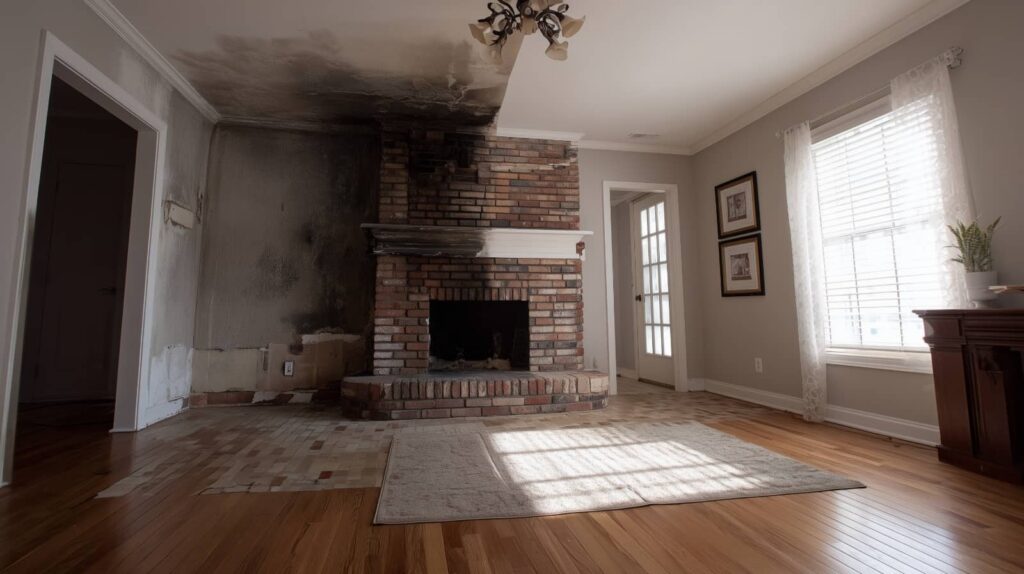
When a fire leaves behind a difficult aftermath, you need more than surface cleanup to make your interior safe again. Smoke damage restoration removes soot, ash, and corrosive residue that can stain materials, degrade air quality, and keep odors trapped indoors. You also need fast action, because these particles don’t stop causing damage once the flames are out. The right process depends on what smoke touched, and that’s where the next steps matter.
Key Takeaways
- Smoke damage restoration removes soot, ash, oily residue, and odors from surfaces, fabrics, ducts, and hidden spaces after fire or smoke events.
- Fast restoration is essential because acidic soot can stain finishes, corrode metals, and drive odors deeper within hours.
- Effective cleanup uses material-specific methods, including dry cleaning for drywall, careful wood treatment, and HEPA vacuuming for upholstery.
- Odor removal targets smoke particles in walls, ceilings, vents, and textiles using filtration and deodorization to improve indoor air quality.
- Call professionals when you notice soot, discoloration, or lingering smoke odors, especially if multiple rooms or HVAC systems are affected.
What Does Smoke Damage Restoration Remove?
Smoke damage restoration removes the visible and hidden byproducts that a fire or smoke event leaves behind, including soot, ash, oily residue, corrosive particles, and persistent smoke odors.
You need smoke damage restoration to lift contamination from walls, ceilings, vents, insulation, fabrics, and hard surfaces. It targets acidic soot that can etch metal, stain paint, and weaken finishes.
It also removes ultrafine particles that settle inside ductwork and porous materials, where odors linger and air quality drops. During smoke damage restoration, technicians clean residues from appliances, electronics exteriors, fixtures, and structural components using methods matched to each material.
This process helps your space feel safe, cared for, and ready for everyone who belongs there. You gain a cleaner interior, reduced odor, and fewer contaminants left behind after smoke exposure.
Why Can’t Smoke Damage Restoration Wait?
Because acidic soot starts reacting with surfaces within hours, you can’t afford to delay smoke damage restoration. If you wait, residues continue corroding finishes, etching metals, and embedding odors deeper into your indoor environment.
Airborne particulates can also circulate through HVAC systems, increasing contamination and exposing everyone inside to ongoing irritants.
Acting quickly helps you protect both your property and the people who share your space. Prompt restoration limits secondary damage, supports healthier air quality, and reduces the chance that smoke residues will become harder to remove.
You also gain faster stabilization of affected areas, which helps restore a sense of safety and normal routine. When you respond early, you’re not overreacting—you’re joining a smart, safety-minded community standard that prioritizes cleaner, safer interiors for everyone involved every day.
How Smoke Damage Restoration Cleans Different Materials
Every surface responds differently to fire residues, so smoke damage restoration uses material-specific cleaning methods to protect what can be saved without spreading contamination.
You need a process that matches each material’s porosity, finish, and heat exposure. Technicians dry-clean soot from drywall and ceilings, then use controlled wet cleaning where finishes allow.
On wood, they lift residue carefully to avoid grinding particles into grain or stripping sealants. For metals, you’ll see noncorrosive cleaners that remove deposits before staining or oxidation worsens.
Glass and tile usually tolerate stronger agitation, while plastics and composites require gentler products because heat can make them brittle. Upholstery and textiles often need HEPA vacuuming and specialized extraction.
When your space is treated this precisely, you can feel confident it’s being restored with care and safety.
How Smoke Damage Restoration Removes Smoke Odors
Eliminating persistent fire odors starts with finding where smoke particles have settled, not just masking the smell in the air. During restoration, you remove odor-causing residues from walls, ceilings, ducts, fabrics, and porous materials so trapped compounds can’t keep off-gassing into shared spaces.
Targeted cleaning, filtration, and deodorization break down contamination at the source and help you restore a healthier indoor environment.
You improve air quality by clearing soot, residue, and airborne particles that continue carrying smoke odors.
You protect your space by treating hidden areas where odor molecules collect and slowly reenter rooms.
You support everyone inside by reducing irritants that can affect comfort, breathing, and peace of mind.
When you address smoke odors completely, your interior feels cleaner, safer, and more welcoming for everyone who belongs there.
When Should You Call a Smoke Damage Restoration Pro?
When should you call a smoke damage restoration pro? Call one as soon as you notice soot, persistent smoke odor, discoloration, or irritation after any fire, puff-back, or overheating event.
Even light smoke can leave acidic residue that corrodes metals, stains surfaces, and contaminates HVAC systems. If smoke reached multiple rooms, porous materials, or ventilation pathways, professional assessment protects your home and everyone in it.
You shouldn’t wait if you see oily film, char particles, or recurring odors after basic cleaning. A restoration pro uses containment, air filtration, residue testing, and targeted deodorization to remove contamination safely.
They also identify hidden damage behind walls, inside ducts, and around electrical components. By acting early, you help restore cleaner air, safer interiors, and the sense of comfort your household deserves together.
Frequently Asked Questions
How Long Does Smoke Damage Restoration Usually Take?
You can expect smoke damage restoration to take a few days to several weeks, depending on contamination, affected materials, and ventilation. Your restoration team will assess hazards, remove residue, and verify safe, thorough cleanup for everyone.
Will My Insurance Cover Smoke Damage Restoration Costs?
Like a safety net, your insurance often covers smoke damage restoration if your policy includes fire or smoke peril. You’ll need documentation, inspections, and prompt mitigation. Check deductibles, exclusions, and coverage limits with your adjuster.
Is It Safe to Stay Home During Restoration?
You shouldn’t stay home during restoration unless professionals confirm air quality and contamination levels are safe. You’ll protect your household by relocating temporarily, especially when crews remove soot, use chemicals, or run equipment affecting breathing.
Can Smoke Damage Affect My HVAC System?
Yes—smoke damage can affect your HVAC system; EPA notes indoor air can be 2–5 times more polluted than outdoor air. You should inspect ducts, filters, and coils quickly, so your home stays safer and healthier.
How Can I Prevent Future Smoke Damage Indoors?
Prevent future indoor smoke damage by maintaining HVAC filters, installing smoke alarms, sealing gaps, using proper ventilation, and keeping ignition sources controlled. You’ll also reduce residue buildup and odors by scheduling routine inspections and cleanings.
Final Thoughts
With smoke damage restoration, you don’t just clean what you can see—you remove corrosive soot, trapped particles, and stubborn odors that threaten your indoor environment. Acting quickly helps you protect surfaces, improve air quality, and restore safety before damage spreads like a silent tide. By calling a qualified restoration professional, you ensure each material is treated correctly, your space is thoroughly deodorized, and your interior returns to a cleaner, safer, more stable condition.