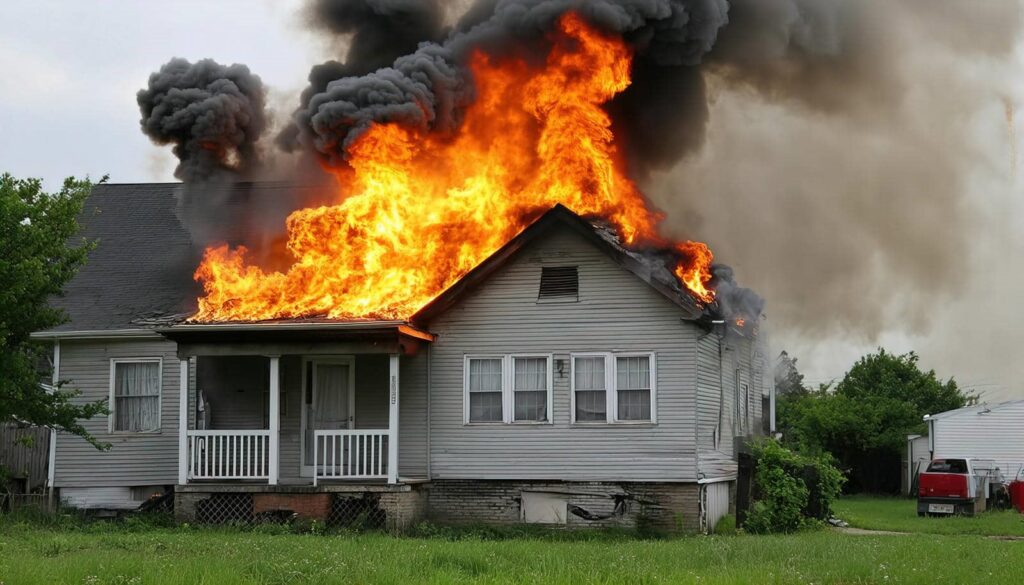
Is it true that smoke damage cleanup after fire should always start with safety, not scrubbing? You’ll want to document the scene, shut off power to damaged areas, and ventilate carefully before you touch debris. Wear gloves and an N95, then check for hot spots, weak ceilings, and other hazards. Once the space is secure, you can begin cleanup in the right order—and what you remove first can change the rest.
Key Takeaways
- First, make the area safe by turning off power if needed, ventilating carefully, and keeping children and pets away.
- Document all smoke and fire damage with photos before cleaning anything or moving salvageable items.
- Start cleanup with dry methods like HEPA vacuuming or soot sponges to remove loose smoke residue.
- Then wash walls, ceilings, and surfaces with smoke-safe cleaners, working top to bottom in small sections.
- Check for hidden odor sources, mold, and corrosion, and consider professional help for thorough restoration.
What to Do Immediately After Smoke Damage?
After a fire, you should start by making the area safe, then document the damage before you clean anything.
Next, photograph walls, ceilings, fabrics, and electronics so you can track soot, staining, and odor sources. Open windows only if conditions allow, and avoid rubbing surfaces, which can drive residue deeper.
During smoke damage cleanup after fire, you should bag loose debris, label salvageable items, and separate porous materials from hard surfaces.
Wipe light residue with a dry microfiber cloth, then follow with a cleaner approved for the surface. If you find moisture, note it for later drying.
Keep receipts, inventory lists, and contractor notes together. You’re not handling this alone; these steps help you stay organized and ready for the next restoration phase.
How to Make the Area Safe
Once you’ve documented the damage, make the space safe before you touch any more surfaces. You belong in a clean, controlled area, so start with hazard checks and move slowly.
Turn off power to affected rooms if water or soot reached outlets. Open windows only if outdoor air is safe and it won’t spread odors. Wear gloves, eye protection, and an N95 respirator to limit exposure. Keep children and pets out until you finish the basics.
- Inspect for hot spots or weak ceilings
- Mark unstable flooring or broken glass
- Ventilate the room carefully
- Block off the area with tape or signs
After that, confirm you can move through the space without contact with loose residue or unsafe conditions.
Clean Smoke Damage Before Debris Removal
Before you remove debris, clean the smoke damage that’s still reachable on walls, trim, floors, and hard surfaces.
Start by dry-heating or vacuuming loose soot with a HEPA tool, then wipe each surface with a smoke-safe cleaner and clean microfiber cloths.
Work in small sections, changing cloths often so you don’t spread residue. Use light pressure and straight passes, and rinse as needed to lift oily film.
Keep your space ventilated, and wear gloves and a respirator so you stay protected while you work.
If you clean these areas now, you’ll reduce odor, prevent staining, and make the next cleanup steps easier for everyone involved.
Take your time, stay organized, and you’ll build a cleaner, safer place to restore.
Remove Smoke Residue From Walls and Ceilings
Start by dry-cleaning the walls and ceilings with a soot sponge or vacuum fitted with a brush attachment to lift loose smoke residue without spreading it.
Next, wash the surfaces with a suitable cleaning solution, working from the top down in small sections so you can control streaking and runoff.
If residue remains, repeat the cleaning process until the surfaces look even and feel free of buildup.
Dry Cleaning Smoke Residue
When smoke residue coats walls and ceilings, dry cleaning gives you a fast, controlled way to lift loose soot before moisture can smear it deeper into the surface. You’ll work methodically, so you and your space stay protected.
Start by laying drop cloths and wearing gloves, a respirator, and eye protection. Then use a soot sponge or vacuum with a HEPA filter to lift debris with light, even strokes.
- Test a small hidden spot first
- Move top to bottom in straight passes
- Replace dirty sponge surfaces as needed
- Keep pressure gentle to avoid grinding soot
If you’re careful, you’ll remove the loose layer without pushing residue into pores. This step helps your rooms feel like they’re on the path back to normal.
Washing Walls And Ceilings
Once the loose soot is gone, you can wash the walls and ceilings to remove the smoke film that dry cleaning didn’t lift.
Start at the top and work downward so dirty water doesn’t run over cleaned areas. Mix a mild detergent with warm water, or use a fire restoration cleaner if the surface allows it.
Test a small spot first. Wipe gently with a soft sponge, then rinse with a clean cloth before the solution dries. Change water often so you’re not spreading residue.
For textured paint or ceilings, use light pressure and shorter strokes. Dry each section with a clean towel.
If stains remain, repeat the wash. You’re restoring a safer, fresher space, one careful section at a time, and that steady progress matters.
How to Remove Smoke Odors
First, you’ll identify the odor source by checking porous materials, hidden cavities, and any soot-contaminated surfaces that can continue to release smoke.
Then you’ll isolate and clean those materials, since removing residue is the foundation for reducing lingering odor.
After that, you can apply deodorizing treatments such as HEPA filtration, activated charcoal, thermal fogging, or ozone only as appropriate for the affected area.
Odor Source Identification
To remove smoke odors effectively, you’ll need to identify the source of the smell before you treat the space, because odor can linger in hidden residue, porous materials, and damaged contents.
Start by tracing where smoke settled most heavily, then inspect each area methodically. You’re not alone in this process; a careful check gives you control and confidence.
- Look for soot on walls, ceilings, vents, and trim.
- Check soft goods like curtains, carpet, and upholstery.
- Open cabinets, closets, and drawers to find trapped odor.
- Examine contents that were exposed to heat or smoke.
Once you’ve mapped the strongest odor points, you can prioritize cleanup and avoid missing the materials that keep releasing smell.
Document findings so your next step stays focused.
Deodorizing Treatment Methods
With the odor source mapped, you can start deodorizing by matching each treatment to the type of smoke residue and the materials affected.
First, remove loose ash and soot with HEPA vacuuming; that keeps particles from reactivating odors.
Next, wash hard surfaces with the right detergent, then rinse and dry them fully.
For porous items, use enzyme cleaners or specialty odor neutralizers that penetrate fibers.
If the smell lingers, apply thermal fogging or hydroxyl treatment to reach hidden cavities and soft contents.
For severe cases, use ozone only in unoccupied spaces and follow all safety rules.
Finish by airing out rooms, replacing contaminated filters, and retesting.
You’re not handling this alone; each step brings your space closer to clean, familiar, breathable comfort.
Save Belongings During Smoke Cleanup
A few quick actions can help protect your belongings during smoke cleanup. First, sort items into keep, clean, and discard groups so you don’t spread soot. Then move salvageable pieces to a clean, dry room and cover them with breathable sheets.
Handle fabrics, books, and electronics separately to limit cross-contamination. Use gloves and unprinted paper for packing, since ink can transfer.
- Bag loose soot from small items
- Place photos in flat, rigid containers
- Label boxes by room and contents
- Keep damp items apart from dry ones
Work methodically, and clean one surface at a time. If you stay organized, you’ll protect more of what matters and create a safer path for the rest of the cleanup.
When to Call a Fire Restoration Pro?
Call a fire restoration pro when smoke damage goes beyond light surface cleanup or you can’t safely remove soot, odor, or moisture on your own.
First, check for heavy staining, sticky residue, warped materials, or lingering smoke smell after airing out the space.
Next, look for hidden damage in HVAC vents, insulation, cabinets, and ceilings.
If water from firefighting soaked walls or flooring, you need drying equipment and moisture mapping, not just towels.
A pro can test surfaces, select the right cleaning agents, and prevent corrosion or mold.
If you’re feeling overwhelmed, that’s a good signal too.
Bringing in experts helps you protect your home, your belongings, and your peace of mind, while giving you a clear path forward with people who know this work.
Frequently Asked Questions
How Long Does Smoke Damage Cleanup Usually Take?
You’ll usually need one to five days for cleanup, depending on soot, odor, and surface damage. You should inspect, document, ventilate, clean, deodorize, and dry in stages, then reassess before restoration starts.
Does Insurance Cover Smoke Cleanup Costs?
Usually, yes—if your policy includes fire and smoke coverage. You’ll file a claim, document damage, and use approved cleaners. Your adjuster can confirm limits, deductibles, and any exclusions before work starts.
Can HVAC Systems Spread Smoke Contamination?
Yes, your HVAC can spread smoke contamination. You should shut it off, inspect filters and ducts, then clean affected surfaces. You’re not alone—trained pros can contain residues and restore safer airflow.
How Do I Document Smoke Damage for a Claim?
You’ll document smoke damage by photographing every affected area, listing damaged items, saving receipts, and noting dates. Then you’ll contact your insurer, share a clear inventory, and keep copies of all claim correspondence.
Is Smoke-Damaged Food Still Safe to Eat?
No, you shouldn’t eat smoke-damaged food. You should discard exposed items, inspect sealed packaging for residue, and wash unaffected surfaces. Then you can safely sort what’s salvageable and reduce contamination risks.
Recap
As you wrap up smoke damage cleanup, remember that every safe step rebuilds what the fire took. First, protect yourself, then secure the space, document the damage, and remove smoke before debris. Think of the soot as a shadow: once you clear it, the room can breathe again. Keep checking for hidden hazards, and call a fire restoration pro if the damage feels too deep. Your careful work today helps restore safety, order, and peace.