
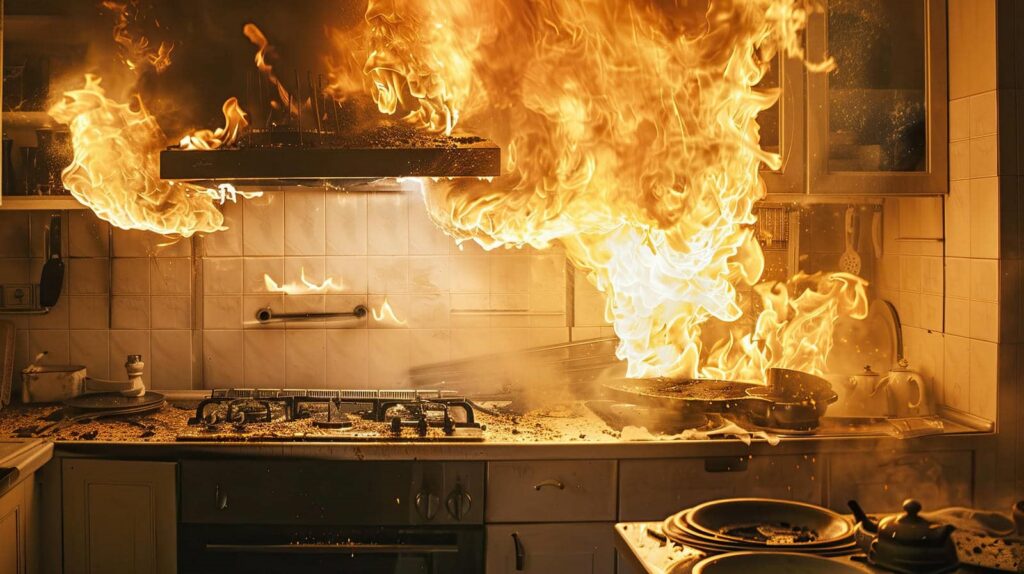
After a fire, you need to act fast to reduce smoke odor and protect indoor air quality. You can’t rely on surface cleaning alone, because residue often settles in hidden areas, fabric, and HVAC components. Proper ventilation, targeted deodorizing, and controlled filtration all play a role, but the real challenge is stopping odor from cycling back into the space. The next steps determine whether the air truly recovers or keeps carrying the smell.
Key Takeaways
- Start smoke odor removal quickly by ventilating safely and using HEPA or carbon filtration to limit odor settling.
- Clean hard surfaces, fabrics, and carpets thoroughly to remove soot and embedded smoke residue.
- Inspect hidden areas, HVAC ducts, and soft furnishings for trapped smoke odors and contamination.
- Use odor absorbers and low-moisture cleaning methods for porous items that retain smoke smells.
- Prevent odor return by replacing filters, controlling humidity, and avoiding indoor smoke sources after restoration.
Start Removing Smoke Odor Immediately
Start removing smoke odor immediately after fire damage to prevent smells from settling deeper into materials and contents. You should begin smoke odor removal after fire as soon as the area is safe, because delay allows residues to bond with fabrics, drywall, and finishes.
Open windows if conditions permit, run HEPA and carbon filtration equipment, and remove charred debris that continues to off-gas. Clean hard surfaces with appropriate detergents, then dry them fully to limit odor retention.
Bag and isolate porous items that can’t be cleaned right away so they don’t keep affecting the rest of your space. When you act fast, you protect indoor air quality and help your home feel livable again.
You’re not handling this alone; prompt, methodical action supports a cleaner recovery.
Locate Hidden Smoke Odor Sources
You should inspect hidden cavities, such as wall voids, attics, and crawl spaces, because smoke residue can settle there and continue to off-gas.
Check soft furnishings, including upholstery, drapes, and bedding, since porous materials often retain odor compounds.
Examine HVAC systems and ductwork, as they can circulate smoke odor throughout the building if you don’t clean them thoroughly.
Inspect Hidden Cavities
Inspect hidden cavities first, because smoke odor often lingers in concealed voids long after visible surfaces look clean. You should open access panels, remove vent covers, and examine chases, soffits, toe-kicks, and wall penetrations with a flashlight.
Use your nose and a smoke tracer to map odor concentration, then note any seams, gaps, or burned insulation that may hold residues. Check behind trim, inside cabinets, and above drop ceilings where airflow can move contamination out of sight.
Seal sample points after inspection so you don’t spread particles. When you identify trapped odor, document the location, material type, and severity so you can target remediation efficiently.
Check Soft Furnishings
Soft furnishings can trap smoke odor deep within fibers, foam, and batting, so check them early when locating hidden sources. You should inspect sofas, chairs, drapes, pillows, and upholstered panels for embedded residue, discoloration, and persistent odor.
Use your hands and nose together, because smoke often settles unevenly and lingers where air movement was limited. Remove washable covers and test seams, tufts, and underside surfaces first.
- Sniff near cushions and stitching.
- Lift and separate layered textiles.
- Note items that still smell after airing out.
If an item keeps releasing odor, isolate it for deeper cleaning or disposal. When you address these materials promptly, you’ll reduce recontamination and support a cleaner indoor environment that feels safer for everyone in your space.
Examine HVAC Systems
Because HVAC systems can recirculate smoke through the entire structure, examine vents, returns, duct interiors, filters, and air handlers for hidden odor sources.
You should remove and replace contaminated filters, then inspect coils, drain pans, insulation, and blower compartments for soot residue.
If you smell smoke when the system runs, shut it down and document the affected zones before cleaning.
Use HEPA vacuuming and approved HVAC cleaners on accessible components, and seal any damaged duct joints that could trap odor.
After cleaning, run the system with fresh filtration and verify airflow from each register.
This step helps you and your team restore cleaner indoor air, reduce recontamination, and make the space feel safe, controlled, and ready for normal use again.
Clean Smoke Residue From Surfaces
Wipe away smoke residue from hard surfaces as soon as it’s safe to do so to limit staining and odor absorption. You’ll protect indoor air quality and restore a cleaner, more welcoming space by using the right method for each surface.
- Wear gloves and a particulate mask.
- Use a dry microfiber cloth first, then a pH-neutral cleaner.
- Rinse and dry surfaces to prevent redeposition.
Work from top to bottom so debris doesn’t fall onto already cleaned areas. Change cloths often; soot can smear and spread contamination. Pay close attention to walls, trim, counters, doors, and fixtures.
For textured or painted surfaces, test a small area before full cleaning. If residue remains after routine washing, repeat the process rather than scrubbing aggressively. Careful cleaning helps your home feel safe, organized, and ready for the next recovery step.
Deodorize Fabrics, Furniture, and Carpets
Freshen smoke-affected fabrics, furniture, and carpets with methods that target trapped odor without driving it deeper into the material.
You should vacuum upholstery and carpet with a HEPA-equipped machine to lift soot and odor-bearing particles from fibers.
For washable textiles, launder them with an enzyme detergent and a deodorizing additive, then dry them completely to prevent lingering smells.
On upholstered pieces, apply a fabric-safe odor neutralizer lightly and evenly, following label directions.
For carpets, use a low-moisture extraction cleaner approved for smoke damage.
You can also place removable cushions and rugs in a clean, dry room with odor-absorbing products, such as activated carbon or baking soda.
Test every treatment on a hidden area first.
Improve Indoor Air With Ventilation
You should open windows safely to increase air exchange and help reduce residual smoke odor indoors.
Run exhaust fans in kitchens, bathrooms, and other vented areas to expel contaminated air and support continuous airflow.
Maintain cross-ventilation when conditions allow, but avoid creating drafts that can spread soot into unaffected rooms.
Open Windows Safely
When conditions are safe, opening windows can help improve indoor air by increasing ventilation and reducing lingering smoke odors after a fire. You should confirm that exterior air is cleaner than indoor air before you start.
Open windows on opposite sides of the space to create a cross-breeze, and keep doors clear so air can move freely. If soot residue or ash is still present, handle surfaces carefully to avoid redistributing particles.
- Choose windows away from visible smoke sources.
- Open them gradually to control airflow.
- Close them if outdoor conditions worsen.
You’ll support a healthier recovery environment when you ventilate with care. This simple step helps your home feel more livable, and it supports the smoke odor removal process without adding unnecessary exposure.
Run Exhaust Fans
Run exhaust fans to pull smoke-laden air out of bathrooms, kitchens, and other enclosed areas, helping improve indoor air circulation during odor removal after a fire. You should turn them on early and keep them running while you ventilate affected rooms, because steady airflow helps move airborne particles outdoors instead of letting them settle back inside.
Pair exhaust fan use with open windows on the opposite side of the space to create cross-ventilation and strengthen air exchange. Check that fan vents discharge outside, not into an attic or crawl space.
If you’re working with a remediation team, ask them to coordinate fan placement so your home’s airflow supports faster smoke odor reduction and a cleaner, more comfortable indoor environment for everyone.
Use Air Scrubbers and Odor Absorbers
Air scrubbers can help remove smoke particles and airborne contaminants from the affected area, while odor absorbers work to capture and neutralize lingering smells in porous materials and contents.
You should place air scrubbers in the most affected rooms and run them continuously to improve filtration efficiency. Pair them with odor absorbers so you’re treating both airborne and embedded contamination.
- Use HEPA-based scrubbers for fine particulate capture.
- Position odor absorbers near furniture, textiles, and stored items.
- Replace media and products as directed to maintain performance.
When you use both tools together, you support a cleaner, more comfortable indoor environment and help your space feel recoverable again.
This approach gives you a practical, disciplined step toward restoring shared air quality after fire damage.
Clean Smoke Odor From HVAC Vents
Once the indoor air starts to clear, you still need to address smoke odor that may be lingering inside HVAC vents and ductwork.
You should shut down the system, remove registers, and inspect accessible ducts for soot film and residue. Use a HEPA vacuum with soft-bristle attachments to capture loose particulate without dispersing contamination.
Then wipe metal surfaces with a manufacturer-approved alkaline cleaner, applying minimal moisture to protect insulation and electrical components.
If you smell persistent odor at the supply vents, schedule professional duct cleaning and coil cleaning so the entire air path gets treated.
Replace heavily impacted filters with high-efficiency media.
When you clean vents thoroughly, you help your space feel safe, orderly, and familiar again, with air that supports comfort and confidence.
Prevent Smoke Odor From Coming Back
To keep smoke odor from returning, you’ll need to control every source that can reintroduce residue into the indoor environment. Seal cleaned materials, replace porous items that still off-gas, and keep ventilation pathways protected.
You should maintain filtration, monitor humidity, and inspect hidden cavities where soot can settle. If you preserve a disciplined cleaning routine, you’ll protect the indoor air your household deserves.
- Replace filters on schedule and verify airflow.
- Wash textiles, soft goods, and washable surfaces promptly.
- Keep doors, returns, and ducts free of dust buildup.
After restoration, avoid burning candles, smoking indoors, or storing charred debris near living spaces.
When you act early and consistently, you reduce recontamination risk and keep your home aligned with cleaner air standards.
Frequently Asked Questions
How Long Does Smoke Odor Typically Linger After Fire Damage?
Smoke odor can linger for days, weeks, or months after fire damage, depending on soot, materials, ventilation, and cleanup. You’ll reduce it faster with prompt extraction, deep cleaning, and targeted deodorization.
Can Smoke Odor Affect Health Even After Visible Damage Is Cleaned?
Yes, smoke odor can affect your health after visible cleanup. Long after the fire, hidden particulates and volatile compounds can linger in materials; where there’s smoke, there’s fire. You should address contamination promptly.
Is Professional Smoke Odor Removal Better Than DIY Methods?
Yes, you’re usually better off with professional smoke odor removal because you get deeper treatment, specialized equipment, and fewer missed contaminants. DIY methods can help surface odors, but they often don’t fully eliminate embedded residue.
Which Materials Absorb Smoke Odor Most Deeply?
Porous materials like drywall, insulation, carpet, upholstery, and untreated wood absorb smoke odor deepest. You’ll notice fabrics and composites hold particulates longest; one fire can deposit thousands of microscopic residues per square inch.
When Should Contents Be Replaced Instead of Cleaned?
You should replace contents when smoke has penetrated porous, heat-sensitive, or electronics-damaged items, or when cleaning won’t fully remove odor, residue, or safety risks. You’ll protect indoor air quality and restore confidence faster.
Final Thoughts
Smoke odor removal after fire works best when you act fast and stay systematic. You’ve got to clean surfaces, treat fabrics, ventilate thoroughly, and service your HVAC system to stop odor from recirculating. Use air scrubbers and absorbers to reduce lingering contaminants, and keep humidity controlled to prevent recontamination. As the adage goes, “A stitch in time saves nine.” With consistent maintenance, you can restore cleaner indoor air and protect your home’s comfort.