
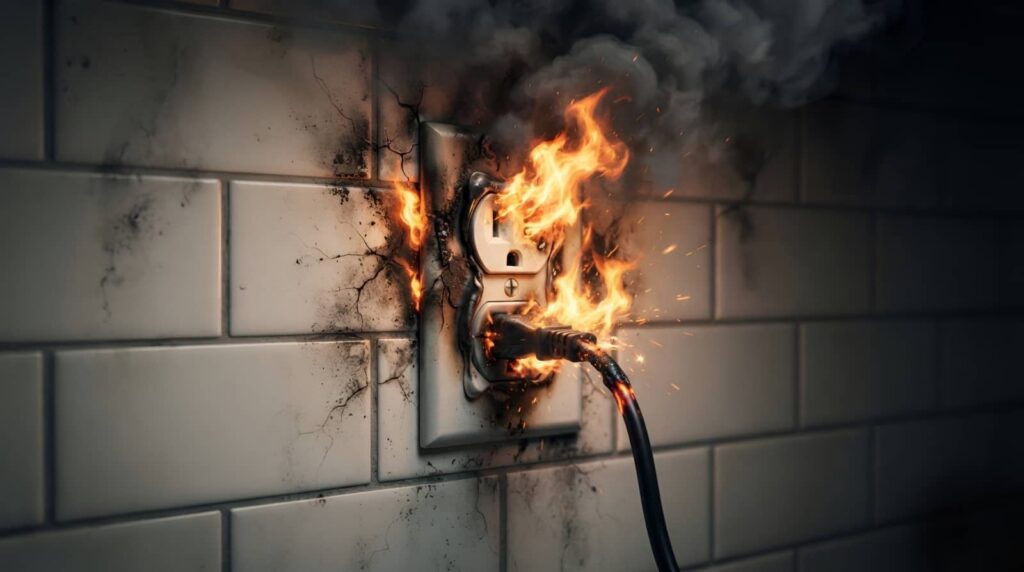
Smoke can cling like a shadow after a small fire, leaving behind damage that goes far beyond what you can see. Smoke Damage Cleanup should begin quickly, but not blindly. First, confirm the fire is fully extinguished, protect yourself, document the damage, and take steps to prevent soot from spreading. Each room can have different risks, from etched surfaces to hidden odors trapped in ducts, upholstery, and fabrics. Missing these early steps can make cleanup more difficult and may allow certain smoke damage to become permanent.
Key Takeaways
- Confirm the fire is out, stay out until safe, shut off HVAC, and document all smoke and soot damage for insurance.
- Wear gloves and an N95 mask, then inspect from the fire room outward using bright light and a white cloth test.
- Remove loose soot first with a HEPA vacuum and dry chemical sponge, using straight passes to avoid smearing residue.
- Clean hard surfaces with mild degreasing solutions, dry promptly, and launder washable fabrics with odor-removing detergent.
- Ventilate the home, use baking soda or activated charcoal for odors, and hire professionals for HVAC, cavities, or heavy greasy soot.
What to Do Right After a Small Fire?
Act quickly, but put safety first. Confirm the fire is fully out, then keep everyone outside until heat, sparks, and structural hazards are ruled out. If anyone has breathing trouble or burns, call emergency services immediately.
Shut off HVAC systems to limit soot circulation, and open windows only if conditions are stable and officials say it’s safe.
Next, document visible damage with photos and notes for insurance and restoration teams. Avoid touching charred materials or wiping soot, because you can grind particles deeper into surfaces.
Wear gloves, eye protection, and an N95 respirator before reentering. Isolate the affected area with closed doors or plastic sheeting if possible.
Then contact a qualified restoration provider for smoke damage cleanup after small fire events, so your household can recover together safely.
How to Inspect Smoke Damage by Room
Once the area is stable and documented, inspect smoke damage room by room so you can identify where soot settled, how far odors traveled, and whether hidden contamination reached adjoining spaces.
Start at the fire room, then move outward in a consistent pattern. Use bright lighting to check ceilings, walls, trim, vents, electronics, and horizontal surfaces for soot films, staining, or melted residues.
Wipe a small test area with a clean white cloth to confirm residue type without spreading it. In kitchens and bathrooms, examine cabinets, counters, and exhaust covers.
In bedrooms and living areas, inspect textiles, mattresses, and window tracks. Open closets and drawers carefully, and note odor intensity changes.
Photograph findings, mark affected contents, and isolate rooms with visible residue so everyone involved follows the same safe, organized inspection process together.
How Smoke Damage Spreads Through a Home
Because smoke rides heat and air pressure, it rarely stays in the room where the fire started. It moves upward first, then follows hallways, stairwells, gaps under doors, and return-air pathways.
As hot gases cool, particles settle on ceilings, walls, insulation, fabrics, and inside cabinets. You may also find contamination in rooms that look untouched, because microscopic residues travel farther than visible soot.
Your home works like an interconnected system, so smoke spreads through every available opening. HVAC circulation can pull odors and fine particulates into ducts and redistribute them room to room.
Negative pressure near exhaust fans, attics, and crawlspaces can draw smoke into hidden cavities. If you understand these movement patterns, you’ll inspect more accurately, protect your household, and respond as a careful, capable team together.
What Supplies You Need for Smoke Cleanup
Before you start smoke cleanup, you need the right cleaning supplies to remove soot, residue, and odor without spreading contamination.
You should also use proper protective safety gear, including gloves, goggles, and a respirator, to reduce exposure to harmful particles.
If you prepare your materials in advance, you’ll clean more methodically and lower the risk of cross-contamination or injury.
Essential Cleaning Supplies
Gather the right supplies first so you can remove smoke residue safely and keep contamination from spreading. Use heavy-duty trash bags, sealable plastic bins, clean microfiber cloths, cellulose sponges, paper towels, and disposable wipes to control loose soot and isolate debris.
You’ll also need a HEPA-filter vacuum, buckets, spray bottles, measuring cups, and labeled containers for mixing and storing solutions accurately. Keep mild dish soap, degreasing cleaner, white vinegar, baking soda, and trisodium phosphate substitute on hand for hard, washable surfaces.
Add mop heads, scrub brushes, extension poles, and absorbent pads so you can work systematically from ceilings to floors. Include fans and a dehumidifier to support drying after wet cleaning.
When you organize these supplies before starting, you help your household follow a consistent, thorough cleanup process together.
Protective Safety Gear
Once you’ve assembled your cleaning tools, set out protective safety gear so you don’t inhale fine soot or carry contaminants onto your skin and clothing.
Wear an N95 or P100 respirator, not a basic dust mask, to reduce exposure to microscopic particles and lingering combustion byproducts.
Add sealed goggles to protect your eyes from airborne ash and irritants. Use nitrile or rubber gloves, long sleeves, long pants, and closed-toe shoes to limit skin contact.
If residue is heavy, wear disposable coveralls and shoe covers so you don’t track soot through the house. Keep a trash bag nearby for used wipes, gloves, and covers.
How to Clean Smoke Damage From Walls
Although wall surfaces may look intact after a small fire, smoke residue can penetrate paint, drywall, and textured finishes. You’ll need a controlled cleaning process to remove soot without grinding it deeper into the material.
Start by vacuuming loose particles with a HEPA unit and brush attachment, moving top to bottom with light passes.
Next, use a dry chemical sponge, wiping in straight lines and rotating to a clean area often. Don’t scrub.
If residue remains, wash painted walls with a mild degreasing solution and two-bucket method, then rinse with clean water and dry promptly.
Test every product on a small hidden spot first.
Replace heavily saturated drywall or crumbling texture.
How to Remove Smoke Damage From Ceilings
Before you clean a smoke-damaged ceiling, you should assess the soot type, residue depth, and any signs of heat-compromised materials.
You’ll need to work methodically overhead, use proper fall protection and respiratory protection, and remove residue without driving particles deeper into the surface.
After cleaning, you should seal the ceiling with an appropriate stain-blocking primer to lock in remaining odor and discoloration.
Assess Ceiling Soot
Start with a careful assessment of the ceiling soot so you can determine how far smoke residue has spread and what cleaning method the surface can tolerate.
Wear gloves, eye protection, and a respirator, then use strong side lighting to reveal staining, oily deposits, and heat shadows across the ceiling plane.
Check whether soot is dry, greasy, or bonded into textured material.
Test a small, inconspicuous spot with a white cloth to see if residue transfers easily or smears.
Note blistering paint, water marks, sagging drywall, or cracks that may signal deeper damage.
Map affected sections room by room, including corners, vents, and light fixtures where particles collect.
Clean And Seal
Once you’ve identified the soot type and extent, clean the ceiling with the least aggressive method that will remove residue without driving contaminants deeper into the surface.
Wear gloves, eye protection, and a respirator. Start with a dry-cleaning sponge, lifting residue in straight passes. If staining remains, wash small sections with mild detergent or TSP substitute, using minimal moisture, then rinse and dry completely.
If odor or shadowing persists, apply a stain-blocking, smoke-sealing primer rated for fire residue. Use products compatible with drywall or plaster, and follow label ventilation and cure requirements.
Seal only after the surface is clean and dry, or you’ll trap contamination. Your careful process protects indoor air, helps your household recover safely, and keeps this cleanup step aligned with professional restoration standards and community best practices.
How to Clean Smoke Damage From Furniture
Assess each furniture piece for heat exposure, soot type, and surface sensitivity so you don’t grind residue deeper or damage the finish during cleanup.
Wear gloves and an N95, then move stable items into a ventilated work area.
- Dry clean first: Use a HEPA vacuum with a brush attachment held slightly above surfaces.
For light soot, lift residue with a dry chemical sponge using straight, overlapping passes.
- Match the cleaner: Use mild dish soap on sealed wood, upholstery shampoo on fabric, and manufacturer-approved products on leather.
Always pretest hidden areas.
- Control moisture: Wipe with damp, not wet, microfiber cloths, then dry immediately to prevent swelling, rusting, or dye transfer.
If joints loosen, finishes blister, or padding shows deep contamination, your home-recovery team should consult a restoration professional.
How to Remove Smoke Odor Indoors
Ventilate the space and isolate the source before you try to neutralize smoke odor indoors, because odor molecules keep re-releasing from soot left in porous materials, HVAC components, and hidden cavities. Open windows, run exhaust fans, and replace HVAC filters while wearing gloves and an N95.
Then clean every affected surface in sequence: HEPA vacuum, wash hard materials with a degreasing cleaner, and dry completely. Launder washable fabrics with odor-removing detergent, and seal unsalvageable absorbent items for disposal.
Use baking soda or activated charcoal to adsorb residual odor in enclosed rooms, closets, and cabinets. Change furnace filters again after cleaning, and wipe supply and return grilles. If humidity rises, use a dehumidifier, because moisture can reactivate odor.
With a careful process, you’ll restore a healthier shared home environment.
When to Call a Smoke Cleanup Pro
Professional help becomes necessary when smoke damage extends beyond light, surface-level residue and you can’t verify that contamination is fully contained.
You should bring in a qualified smoke cleanup team when conditions suggest hidden risk, compromised materials, or unsafe air pathways within your home.
- If soot reached HVAC components, wall cavities, or attic insulation, you need specialized inspection and containment.
- If you see greasy residue, melted synthetics, or widespread particulate fallout, pros can identify corrosive byproducts and affected assemblies.
- If anyone in your household has asthma, COPD, or chemical sensitivity, trained technicians should handle cleanup under controlled procedures.
A reputable pro documents affected zones, uses proper PPE, and follows a stepwise remediation plan.
That helps you restore your space with confidence and protect everyone under your roof.
How to Prevent Stains and Lingering Odors
To prevent permanent staining, you should remove soot as quickly as possible using controlled, surface-appropriate methods and proper protective gear.
You’ll also need to neutralize smoke odors promptly, since airborne particles can resettle and continue to contaminate porous materials.
After cleaning, you should seal any hidden residue in affected cavities or surfaces so stains and odors don’t return.
Remove Soot Quickly
Because soot particles are acidic and easily ground into porous and finished surfaces, you need to remove them as soon as the area is safe to enter to limit permanent staining, corrosion, and persistent smoke odor.
- Put on gloves, eye protection, and an N95 or P100 respirator before you begin.
Keep your movements controlled so you don’t drive soot deeper into carpet, upholstery, drywall, or wood grain.
- Start with dry removal methods. Use a HEPA vacuum with brushless attachments, or lift residue with a dry-cleaning sponge.
Work top down, using light, straight passes without scrubbing.
- Isolate debris promptly. Seal used cloths, ash, and vacuum contents in sturdy bags, then remove them from living areas.
Neutralize Smoke Odors
Once you’ve lifted loose soot, tackle smoke odor immediately so residue doesn’t keep staining surfaces and off-gassing into fabrics, insulation, and HVAC components.
Ventilate the area, replace HVAC filters, and wear gloves and a respirator rated for smoke particulates and VOCs.
Then clean hard surfaces with a mild alkaline or manufacturer-approved deodorizing solution, working top down to keep contamination controlled.
Launder washable textiles with odor-neutralizing detergent, and isolate items that still smell after one cycle.
Use activated charcoal, baking soda, or HEPA air scrubbers to adsorb airborne compounds while humidity stays low.
Don’t mask odor with fragrances; they won’t remove acidic residues that can yellow paint, corrode metals, and reactivate smells during humid weather.
Seal Hidden Residue
Barrier coatings matter when smoke has penetrated porous materials and routine cleaning can’t fully remove embedded residue. After HEPA vacuuming and wet cleaning, you should seal framing, subfloors, and unfinished drywall with a stain-blocking, odor-locking primer rated for fire restoration. This step helps your home feel safe, clean, and truly yours again.
- Verify surfaces are dry, residue-stable, and free of loose soot before coating.
- Choose the correct product for wood, masonry, or gypsum, and follow ventilation and PPE requirements.
- Apply complete, even coverage to encapsulate contaminants and stop bleed-through odors.
If staining returns after drying, add a second coat or replace the affected material. By sealing hidden residue methodically, you reduce recurring odor release and help protect everyone sharing your space.
Frequently Asked Questions
Can Smoke Damage Affect Electronics Even if They Still Work?
Yes, smoke damage can affect your electronics even if they still work. You may face corrosion, residue buildup, and short-circuit risks later, so you should isolate devices, avoid use, and have them professionally inspected promptly.
Is Smoke Cleanup Covered by Homeowners Insurance After a Small Fire?
Yes, your homeowners insurance often covers smoke cleanup after a small fire if the cause is covered. You should document damage, review exclusions, and contact your insurer promptly so your home can be cleaned safely.
How Long Does Smoke Residue Remain Hazardous After a Fire?
You face a mountain of risk: smoke residue can remain hazardous for days to years, depending on particles, ventilation, and surfaces. You should treat it promptly, test hidden contamination, and use protective cleanup so everyone stays safe.
Can Pets Be Harmed by Lingering Smoke Particles Indoors?
Yes, your pets can be harmed by lingering indoor smoke particles; you should limit exposure immediately. They inhale contaminants, ingest residue while grooming, and experience respiratory irritation, so you’ll protect them best through prompt, thorough cleanup.
Should Air Ducts Be Professionally Cleaned After Smoke Exposure?
Yes—you should have air ducts professionally cleaned after smoke exposure. If your hallway smelled smoky despite wiped surfaces, technicians can remove soot, trapped particulates, and odor reservoirs, helping you restore safer, cleaner air your household deserves.
Conclusion
After a small fire, your cleanup decisions directly affect safety, cost, and long-term air quality. Smoke residues can begin corroding metals and damaging surfaces within hours, so you can’t afford delays. Work methodically: document damage, isolate affected rooms, remove soot with proper tools, and deodorize thoroughly. If odors persist or HVAC contamination is suspected, call a restoration professional. By acting quickly and using the right process, you’ll reduce permanent staining, limit hidden damage, and restore your home more safely.