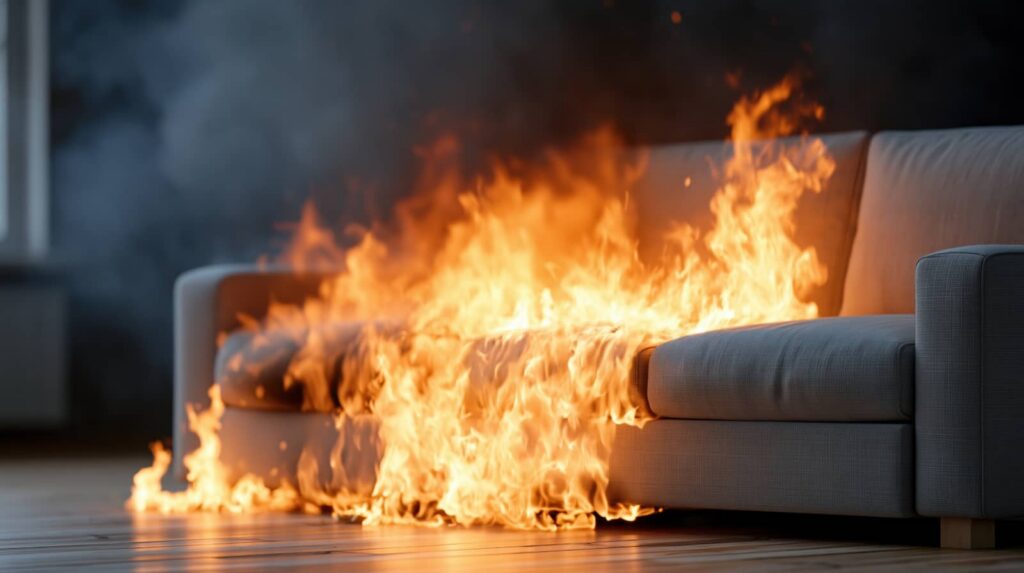
When smoke affects your property, Smoke Damage Restoration should begin with a controlled inspection rather than cleanup alone. Professionals first identify structural risks, the type of residue present, and hidden contamination before moving or cleaning materials. From there, the process follows a careful order: stabilize the site, remove soot, treat persistent odors, and restore damaged surfaces and contents. The cost and timeline can vary depending on how far the smoke traveled, what materials were affected, and what it left behind.
Key Takeaways
- Restoration begins with a controlled assessment to identify hazards, document damage, and determine which areas and materials are affected.
- Technicians stabilize the site by isolating clean areas, improving ventilation, and controlling access to prevent cross-contamination.
- Soot removal starts with HEPA vacuuming and dry sponges, followed by residue-specific cleaning methods tested on each surface type.
- Hidden smoke residue and odors are traced in cavities, ductwork, and structural materials using inspection tools and airflow analysis.
- The process ends with deodorization, selective repairs or replacement, and ongoing documentation to guide safe, efficient restoration planning.
Smoke Damage Restoration Step by Step
After a fire, smoke damage restoration starts with a controlled assessment so you can identify safety hazards, map the extent of soot and residue, and determine which materials can be cleaned or must be replaced.
Next, you stabilize the site, isolate unaffected areas, and ventilate strategically to limit cross-contamination.
You remove loose soot with HEPA-filtered equipment, then clean surfaces using chemistry matched to residue type and material sensitivity.
You deodorize with thermal fogging, hydroxyl treatment, or targeted sealants when odors persist in porous assemblies.
After cleanup, you repair or replace compromised drywall, insulation, flooring, and contents to restore safe function.
Throughout each phase, you document conditions, verify clearance, and follow PPE and containment protocols.
That’s how smoke damage restoration works when your team prioritizes safety, consistency, and shared recovery together.
How Smoke Damage Inspection Works
You start with a smoke damage assessment to identify affected materials, classify residue types, and define safety hazards.
Next, you inspect concealed areas for hidden residue that can contaminate air pathways, insulation, and structural cavities.
This methodical inspection gives you the data you need to plan cleanup, odor treatment, and repairs accurately.
Smoke Damage Assessment
A smoke damage assessment starts with a systematic inspection of the structure, contents, and HVAC system to determine how far soot, heat, and corrosive residue have traveled. You document affected rooms, identify material types, and classify damage severity so your restoration team can build a safe, efficient scope of work.
Next, you evaluate surfaces for staining, etching, and residue load, noting which materials can be cleaned and which require replacement. You check insulation, finishes, electronics, and soft goods because each reacts differently to smoke exposure.
You also review ventilation pathways and shutdown status to reduce cross-contamination during restoration. Throughout the assessment, you prioritize occupant safety, PPE use, and controlled access.
With clear findings, you help everyone involved understand the condition of the property and move forward together with confidence.
Hidden Residue Detection
Because smoke rarely stays where staining is visible, hidden residue detection focuses on cavities, chases, attics, ductwork, and other enclosed areas where soot and acidic byproducts can settle unnoticed. You need a methodical inspection that protects everyone sharing the space.
- You trace airflow patterns to identify likely migration paths behind walls and above ceilings.
- You use borescopes, moisture meters, and particulate sampling to confirm contamination without unnecessary demolition.
- You check HVAC components, insulation, and framing because trapped residue can keep spreading odor and corrosion.
- You document findings by zone, severity, and material type so your restoration team can work safely and completely.
When you detect residue early, you reduce cross-contamination, support safer occupancy, and help your property return to a condition your household can trust again.
How Cleanup and Soot Removal Are Done
Begin cleanup by isolating affected areas, improving ventilation where it’s safe, and identifying the type and extent of soot on surfaces, contents, and HVAC pathways.
You’ll use PPE, establish containment, and select dry or wet cleaning based on residue chemistry, material sensitivity, and cross-contamination risk.
You remove loose particles first with HEPA vacuums and specialized dry sponges, working top down to prevent redistribution.
For adhered soot, you apply controlled detergents or alkaline cleaners, test inconspicuous spots, and use the least aggressive method that achieves soil release.
You’ll clean nonporous and semi-porous materials systematically, document salvageability, and separate unsalvageable debris for compliant disposal.
Throughout the process, your team verifies particulate reduction, protects unaffected zones, and keeps everyone aligned around a safer, cleaner recovery.
How Smoke Odor Removal Works
To remove smoke odor effectively, you first identify every odor source in structural materials, contents, and HVAC pathways.
You then apply controlled air treatment and surface treatment methods to neutralize residues rather than just mask them.
If you follow this sequence carefully, you reduce recontamination risks and improve indoor air safety.
Odor Source Identification
When smoke odor lingers after visible debris is gone, restoration crews first identify where odor-causing residues remain and how deeply they’ve penetrated. You need this step because odor rarely stays on exposed surfaces alone; it migrates into cavities, insulation, textiles, and HVAC pathways. A methodical inspection protects your space and helps everyone involved work from the same evidence.
- You trace odor intensity room by room to map concentration patterns.
- You inspect porous and semi-porous materials for absorbed residues and hidden contamination.
- You check wall voids, framing intersections, and mechanical chases where particulates settle unseen.
- You document findings, moisture conditions, and material response so removal plans stay targeted and safe.
This disciplined approach gives you confidence that your property belongs on a verified path to recovery.
Air And Surface Treatment
A successful air and surface treatment plan removes smoke residues from both the environment you breathe and the materials that keep releasing odor.
You start by isolating work zones, establishing negative air pressure, and running HEPA-filtered air scrubbers to capture airborne particulates. If approved, you may also use thermal fogging or hydroxyl generators to neutralize suspended odor molecules safely.
Next, you clean affected surfaces with chemistry matched to the residue type, because dry soot, oily soot, and protein residue respond differently.
You wipe, HEPA vacuum, and wet-clean structural materials, contents, and HVAC-adjacent areas in a controlled sequence to prevent cross-contamination.
Throughout treatment, you protect yourself and everyone nearby with PPE, ventilation controls, and documented moisture monitoring, so your space feels safe, restored, and ready to welcome you back home.
How Walls and Belongings Are Restored
Because smoke residues bond differently to painted drywall, plaster, wood trim, and personal items, restoration crews first sort surfaces and contents by material type and contamination level.
You need methods that protect structure, preserve keepsakes, and keep your household safe during handling.
- Technicians HEPA-vacuum loose particles, then use dry sponges or chemistry matched cleaners to lift bonded films.
- They test painted walls for sealability, sanding or removing unsalvageable sections before primer locks in remaining staining.
- They clean hard belongings with controlled agitation, while textiles and documents go to specialized deodorization and stabilization processes.
- They document each item, track chain of custody, and verify residue reduction so your home feels truly yours again.
Throughout restoration, crews isolate work zones, wear PPE, and prevent cross-contamination between cleaned rooms and affected contents.
What Changes Smoke Restoration Cost and Timing
Although smoke damage may look similar from room to room, your restoration cost and timeline depend on several measurable factors: fire size, residue type, affected materials, moisture added during suppression, and how far soot and odor migrated through cavities and HVAC runs.
You’ll also see pricing shift when technicians need containment, negative air, HEPA vacuuming, thermal fogging, sealers, or selective demolition to reach hidden contamination safely.
Porous contents, charred framing, electronics, and insulation usually require different cleaning paths, testing, or replacement. If water sat too long, drying and microbial controls add steps before odor treatment begins.
Access matters too: multistory layouts, tight crawlspaces, and occupied homes slow production and increase protection needs.
When you understand these variables, you can follow the plan confidently and stay aligned with your restoration team throughout every phase.
Frequently Asked Questions
Can I Stay in My Home During Smoke Damage Restoration?
You can sometimes stay in your home during smoke damage restoration if damage is limited, air quality tests safe, and work areas isolated. You’ll need contractor guidance, ventilation controls, and PPE whenever contamination risks remain.
Does Homeowners Insurance Usually Cover Smoke Damage Restoration?
Yes—like finding Ariadne’s thread, you’ll usually find homeowners insurance covers sudden, accidental smoke damage restoration. You should verify exclusions, document losses, mitigate hazards promptly, and work with your adjuster and restoration team to keep recovery compliant.
How Soon Should Restoration Begin After a Fire Is Extinguished?
You should begin restoration within 24 to 48 hours after the fire’s extinguished, once authorities declare the structure safe. You’ll limit corrosion, soot bonding, and odor absorption while protecting your home and everyone in it.
Are Electronics Safe to Use After Smoke Exposure?
No, you shouldn’t use electronics after smoke exposure until they’re inspected. Smoke leaves corrosive residue inside components, raising short-circuit and fire risks. You protect your home and community by disconnecting power and arranging professional cleaning.
How Can I Choose a Qualified Smoke Damage Restoration Company?
Choose a company with IICRC certification, licensing, insurance, documented smoke remediation protocols, and strong reviews—after life’s rough patch. You’ll feel supported by teams that inspect thoroughly, communicate clearly, follow safety standards, and provide detailed estimates.
Summary
From first inspection to final clearance, you move through smoke damage restoration in a controlled, safety-first sequence. You identify hazards, document conditions, remove soot, neutralize odors, and restore affected materials with methodical precision. Like tracing a fire’s fingerprint, each step reveals what must be cleaned, repaired, or replaced. When you understand how cost and timing shift with damage severity, you can plan confidently, protect occupants, and support a thorough, efficient restoration from start to finish.