
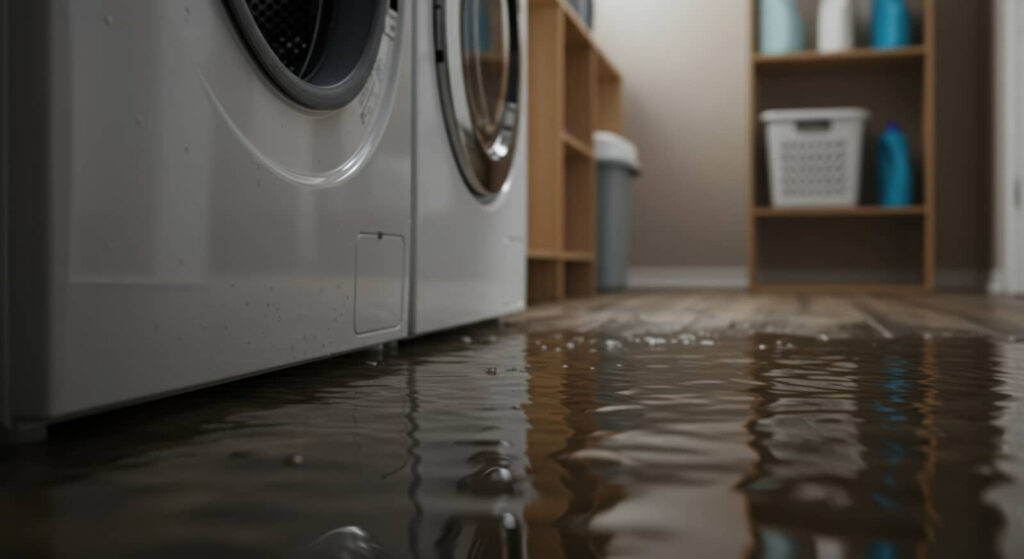
From demo to rebuild, water damage repair usually takes several days to a few weeks, and your timeline depends on what crews find after materials come out. You can expect demolition first, then drying and dehumidifying, then repairs once moisture levels meet safe targets. Delays often come from hidden moisture, failed inspections, or material lead times. The key is knowing what happens at each stage and why timing shifts.
Key Takeaways
- Demolition usually takes 1 to 3 days, depending on damage severity, moisture spread, and how easily crews can access affected areas.
- Structural drying typically lasts 3 to 5 days, using air movers, dehumidifiers, and daily moisture readings to confirm progress.
- Rebuilding begins only after the area is fully dry and cleared through moisture verification and inspection notes.
- Repairs and rebuilding can take several days to a few weeks, depending on materials, scope, and required structural work.
- Hidden damage, insurance approvals, permits, and backordered materials can extend the timeline from demolition to rebuild.
What Is the Typical Water Damage Repair Timeline?
Although every loss is different, a typical water damage repair timeline follows a clear sequence: emergency mitigation starts within hours, water extraction and demolition often take 1 to 3 days, structural drying usually takes 3 to 7 days, and repairs or rebuilding can range from several days to a few weeks depending on the extent of damage.
If you’re wondering how long water damage repair takes, your timeline depends on moisture levels, affected materials, contamination category, access, and inspection results.
You can expect technicians to monitor humidity, temperature, and material moisture daily, then adjust airflow and dehumidification to keep progress on track.
Once drying goals are met, repairs move forward in an orderly, documented phase.
You’ll feel more confident when you understand each step, because your team follows proven standards designed to restore your space safely and efficiently.
How Long Does Water Damage Demolition Take?
When mitigation crews confirm the extent of moisture intrusion, demolition usually takes 1 to 3 days, though severe losses can extend longer. Your crew isolates affected areas, protects unaffected rooms, and removes materials that can’t be salvaged, such as saturated drywall, insulation, baseboards, and sometimes flooring or cabinets.
This phase moves quickly because technicians follow a defined sequence: containment, safety checks, selective tear-out, debris handling, and site preparation.
Your timeline depends on how far water traveled, what materials were affected, and whether access is limited behind built-ins, tile, or multiple wall cavities. If contamination is present, demolition may slow because crews must use additional controls and disposal procedures.
You can feel confident knowing this step creates a clean, stable starting point for the rest of your repair process and helps your home move forward together.
How Long Does Drying and Dehumidifying Take?
How long drying and dehumidifying takes depends on how much moisture remains after demolition, but most projects need about 3 to 5 days of active structural drying.
Your team will place air movers and dehumidifiers to pull water from framing, subfloors, and other porous materials, then track progress with moisture meters and daily readings.
You can expect a controlled, step-by-step process. Technicians adjust equipment placement, temperature, and airflow to keep evaporation moving efficiently without over-drying materials.
In many homes, exposed wood and drywall cavities respond within several days, while denser assemblies may need longer to reach target moisture content.
What matters most is verification: your space isn’t ready for the next phase until readings show it’s dry enough to support safe, lasting repairs. That keeps your restoration on solid footing.
What Causes Water Damage Repair Delays?
Even after moisture readings confirm the structure is dry, several factors can extend the repair schedule.
If your team finds hidden damage behind cabinets, under flooring, or inside wall cavities, they must document it, remove additional materials, and update the scope.
Insurance approvals can also slow progress, especially when adjusters request revised estimates, photos, or cause verification.
You may also see delays when specialty materials are backordered or when matching existing finishes requires extra sourcing time.
In older properties, repairs can uncover asbestos, lead, or outdated wiring, triggering required testing and licensed mitigation.
Permit reviews and inspection queues add time too.
While these steps can feel frustrating, they protect your home and keep everyone aligned.
With clear communication and sequencing, your project stays controlled, compliant, and moving forward together.
When Does Rebuilding Start After Water Damage?
Once the affected area is fully dry, cleaned, and cleared for repair, rebuilding can start. Your restoration team confirms this with moisture readings, inspection notes, and any required clearance testing. That step matters because rebuilding over hidden moisture can cause future damage, odors, or mold.
You’ll usually move into rebuild after demolition, structural drying, and repairs to framing, insulation, or subfloors are complete.
Then your team can replace drywall, reinstall flooring, prime, paint, and reset trim or cabinets. If permits, specialty materials, or insurance approvals are involved, your start date may shift slightly.
Even so, you’re not left guessing. A clear scope, documented milestones, and regular updates help you understand where the project stands and what comes next, so your home feels whole again and you feel supported.
Frequently Asked Questions
Will Insurance Cover Temporary Housing During Water Damage Repairs?
Yes, your insurance may cover temporary housing if water damage makes your home uninhabitable and your policy includes loss-of-use coverage. You’ll need to document damage, confirm limits, and coordinate approvals with your adjuster throughout repairs.
Can I Stay Home During the Water Damage Restoration Process?
Yes, you can often stay home; think of it like camping in one room while crews isolate, dry, and rebuild. In one case, drying took 3 days. You’ll leave only if contamination, noise, or power shutdowns create hazards.
How Can I Prevent Mold After Water Damage Occurs?
Prevent mold after water damage by removing standing water immediately, drying materials within 24–48 hours, running dehumidifiers and fans, discarding unsalvageable porous items, and scheduling professional moisture testing so you can confirm your home is fully dry.
What Should I Remove Before the Restoration Crew Arrives?
Remove valuables, electronics, documents, medications, rugs, curtains, and lightweight furniture before the restoration crew arrives. You’ll speed access, reduce contamination risks, and protect salvageable items. If materials feel unsafe or saturated, don’t handle them alone.
Does Water Damage Reduce My Home’s Resale Value?
Yes—water damage can sink your home’s resale value like an anchor if you don’t remediate it properly. You protect value by documenting mitigation, verifying drying, repairing finishes, and disclosing completed work so buyers feel confident.
Reap
From demo to rebuild, you can expect water damage repair to move in clear, controlled phases rather than all at once. Most projects finish within several days to a few weeks, and drying usually drives the schedule. In fact, materials often need 3 to 7 days of dehumidification before rebuilding can safely start. If you act quickly and your contractor verifies moisture readings at each step, you’ll reduce delays, protect structural integrity, and keep your restoration on track.