
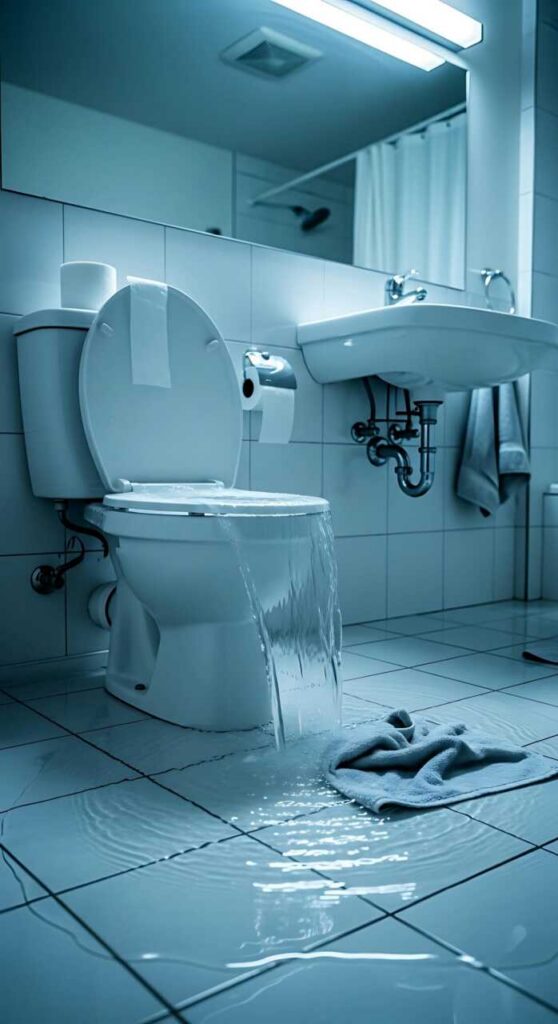
If you’ve had a sewage backup, you need to act fast because black water carries bacteria, viruses, and sewage solids that can spread through floors, walls, and hidden cavities. You’ll want to stop water use, document the damage, and call licensed restoration specialists right away. The first steps can limit structural loss, but the real risk often hides where you can’t see it yet.
Key Takeaways
- Stop using affected plumbing, restrict access, and contact a licensed sewage damage restoration provider immediately.
- Black water contains dangerous contaminants, so avoid direct contact and airborne exposure from sewage-affected surfaces.
- Remove porous or heavily contaminated materials that cannot be safely cleaned and bag them for proper disposal.
- Clean remaining surfaces with detergent and EPA-registered disinfectant, then dry the area thoroughly with dehumidifiers and air movers.
- Inspect for hidden damage, repair affected structures and electrical systems, and fix the sewer problem to prevent recurrence.
What to Do After Sewage Backup
After a sewage backup, you should act quickly to reduce health risks and limit further damage. First, stop using affected plumbing and shut off water if the backup continues.
Then, keep everyone out of the area except trained responders. You should document the damage with photos before removing anything, since that helps your claim and restoration plan.
Next, contact a licensed provider for sewage damage restoration for homes so they can inspect, extract standing water, and identify contaminated materials.
If safe, ventilate the space and move dry belongings away from the affected zone. Don’t try to scrub porous items yourself; proper cleanup needs controlled removal, sanitation, and drying.
When you follow these steps, you protect your home and join a clear recovery process with confidence.
Why Black Water Damage Is Dangerous
Black water damage is dangerous because it carries sewage, bacteria, viruses, and other contaminants that can spread quickly through porous materials, air, and surfaces.
When you’re exposed, even briefly, you may inhale aerosols or touch surfaces that transfer pathogens to your skin, eyes, or mouth.
The moisture also drives rapid microbial growth, which can worsen odors, staining, and indoor air quality within hours.
Because the water can enter walls, insulation, flooring, and framing, the contamination often extends beyond what you can see.
You’re not dealing with ordinary flooding; you’re dealing with a biological hazard that can affect your household’s health and your home’s structure.
Understanding the risk helps you act with confidence, protect your people, and start restoration the right way.
Safely Remove Contaminated Materials
Start by removing any porous or heavily contaminated materials that can’t be effectively cleaned and disinfected, such as soaked drywall, insulation, carpet padding, upholstered items, and particleboard.
You should wear gloves, boots, eye protection, and a respirator before you touch affected areas. Seal each item in heavy-duty contractor bags or wrap it in plastic sheeting, then remove it carefully to limit spreading waste.
Keep the work zone isolated from the rest of your home, and use disposable tools when possible. If you must handle sharp debris, place it in puncture-resistant containers.
Photograph damaged materials for your records before disposal. Work methodically, and don’t rush; careful removal protects your household and helps you feel in control during a stressful cleanup.
Clean, Disinfect, and Dry the Home
Once the contaminated materials are removed, you can focus on cleaning the remaining surfaces, disinfecting every affected area, and drying the space as quickly as possible.
Wash floors, walls, baseboards, and fixed fixtures with hot water and a detergent that breaks down residue. Then apply an EPA-registered disinfectant exactly as directed, making sure it stays wet for the full contact time.
Scrub hidden edges, grout, and corners where sewage film can linger. Afterward, run dehumidifiers and high-velocity air movers to pull moisture from framing, subflooring, and air spaces.
Check humidity and surface dryness with meters if you have them. This careful process helps you reclaim a safe, livable home with confidence, and it supports your household’s health while the cleanup moves forward.
Repair Damage and Prevent Future Backups
After the cleanup is complete, you can begin repairing structural damage and reducing the chance of another sewage backup.
Replace damaged drywall, insulation, and flooring with code-compliant materials, and inspect framing for rot, warping, or corrosion before you close walls.
If black water reached electrical components, have a licensed electrician test and restore them safely.
Then address the cause: clean the main sewer line, check for root intrusion, confirm proper pipe slope, and install a backwater valve or sump alarm if your system needs it.
You can also schedule routine drain inspections and avoid flushing wipes, grease, or debris.
These steps protect your home, support your family’s comfort, and help you feel confident that your space is strong, sanitary, and ready for everyday life again.
Frequently Asked Questions
How Long Does Sewage Restoration Usually Take?
Usually, you’ll need 2-7 days for cleanup, drying, and sanitizing, but full restoration can take longer if flooring, drywall, or insulation must be removed, replaced, and inspected. You’ll get safer, faster results.
Does Homeowners Insurance Cover Black Water Damage?
Often, yes, but you’ll need to check your policy. You usually get coverage only if the backup’s sudden and accidental, not from poor maintenance or flooding. Call your insurer quickly to confirm limits, exclusions, and deductibles.
Can I Stay in My Home During Cleanup?
Usually, you can’t stay in your home during cleanup if contamination affects living areas. You’ll need professional assessment, containment, and ventilation. Rest assured, you’re not alone; teams work quickly to restore safe, livable conditions.
What Professionals Handle Sewage Damage Restoration?
You’ll work with certified water damage restoration technicians, licensed plumbers, remediation specialists, and sanitation crews. They’ll remove contaminated materials, disinfect surfaces, dry structures, and repair systems, keeping you informed, protected, and supported throughout cleanup.
How Can I Tell if Mold Has Started Growing?
You’ll spot mold like a hidden vine: musty odors, dark specks, damp or fuzzy surfaces, and worsening allergies. Check behind walls and under flooring. If you’re unsure, you’ll want professional testing and cleanup.
Final Thoughts
After black water loss, you’ve got to act fast and stay focused. Stop use, secure the scene, and let licensed pros assess the sewage damage. You’ll need contaminated materials removed, surfaces scrubbed and sanitized, and the area dried thoroughly to curb microbial growth. Then repair structural damage and fix the root cause, like a sewer blockage or failed line. With swift, systematic steps, you can restore safety, stop smells, and safeguard your home’s health.