Like a fire crew that knows seconds matter, you need to treat water damage as a time-critical event. Fast emergency water removal limits structural weakening, slows contaminant spread, and improves what you can salvage. You should shut off hazards, document conditions, and expect pumps, extraction, and moisture checks to start quickly. The next decisions you make will determine whether recovery stays controlled—or becomes far more costly.
Key Takeaways
- Shut off water and power, avoid wet areas, and document damage immediately to protect occupants and support insurance claims.
- Emergency technicians assess hazards, identify the source, and remove standing water using pumps or industrial extraction equipment.
- Fast water removal limits structural damage, reduces contamination spread, and shortens the overall drying and recovery timeline.
- Warning signs include standing water, soaked drywall, buckling floors, ceiling stains, sewage odors, and water near electrical outlets.
- Choose a 24/7 licensed, insured company with proper drying equipment, written procedures, and regular progress updates.
What to Do First After Water Damage
If you discover water damage, shut off the water source if you can do so safely, then cut power to affected areas to reduce the risk of shock.
Keep everyone out of wet rooms until you’ve confirmed hazards are controlled. Wear boots and gloves, and avoid contact with contaminated water.
Next, document visible damage with photos and video for insurance and restoration records. Move dry valuables, electronics, and important documents to a secure area.
Use towels or barriers to limit water spread only if conditions remain safe. Open windows if weather allows, and increase airflow with fans only after power is safely restored.
Then contact a trusted emergency water removal team immediately. Acting fast helps your household protect structural materials, reduce microbial growth, and stay aligned around a safer recovery plan.
What to Expect During Emergency Water Removal
When the emergency water removal team arrives, you can expect a structured process that starts with a safety check, moisture assessment, and source identification. Technicians inspect electrical hazards, contaminated areas, and affected materials before setting containment boundaries. They document conditions, explain findings clearly, and outline each next step so you feel informed and included.
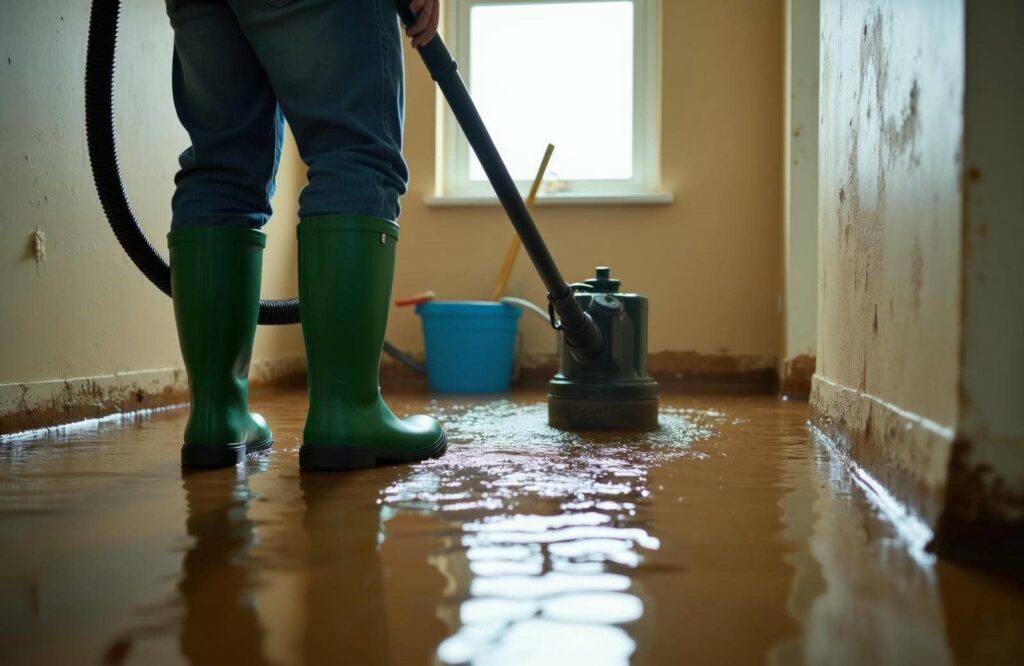
Next, the crew removes standing water with pumps or industrial extractors matched to the volume and location. They may lift baseboards, move contents, and create access for hidden moisture detection.
Throughout the visit, they monitor readings with meters and thermal imaging, verify equipment placement, and adjust airflow for controlled drying conditions. You can expect regular updates, careful handling of your belongings, and a process built to help your household feel supported, safe, and part of every informed decision.
Why Fast Water Removal Prevents More Damage
Because water migrates quickly through flooring, drywall, insulation, and framing, fast removal limits structural absorption, reduces material breakdown, and lowers the chance that contamination will spread into unaffected areas. You protect load-bearing components, preserve indoor air quality, and support a safer recovery process for everyone involved.
Rapid extraction reduces capillary movement into porous assemblies and concealed cavities.
Lower moisture exposure helps prevent warping, delamination, corrosion, and adhesive failure.
Controlled drying supports safer re-entry and more predictable restoration planning.
When you act fast, you also reduce demolition scope, shorten drying timelines, and improve salvage outcomes.
That means your property team can stabilize conditions sooner, document losses more accurately, and keep restoration steps aligned. Quick removal helps your space recover with less disruption, lower risk, and stronger confidence together.
Signs You Need Emergency Water Removal Now
Although some water events look minor at first, several warning signs mean you need emergency water removal right away. If you see standing water spreading across floors, soaked drywall, warped baseboards, or ceiling stains that grow by the hour, act immediately.
You should also treat sewage odors, discolored water, and water near outlets or appliances as urgent safety hazards.
You also need fast removal when humidity rises sharply, paint blisters, flooring buckles, or moldy smells appear within a day. These indicators show that moisture has moved beyond visible surfaces into structural materials.
If a pipe burst, sump pump failed, roof leaked during a storm, or an appliance line let go, don’t wait for conditions to worsen. Quick action helps protect your home, your health, and everyone depending on you.
How to Choose the Right Water Removal Company
How do you identify a water removal company that can stabilize the loss quickly and safely? Start by verifying 24/7 response, documented drying procedures, and technicians trained in moisture mapping, extraction, and contamination control.
You need a team that follows industry standards, communicates clearly, and treats your property like a shared priority.
Look for these indicators before you authorize work:
- Licensed, insured, and experienced with emergency mitigation
- Equipped with extraction units, air movers, dehumidifiers, and moisture meters
- Ready to provide a written scope, safety plan, and daily progress updates
You should also confirm they can isolate hazards, remove unsalvageable materials properly, and coordinate with your insurer.
When you choose a disciplined company, you join a recovery process built on speed, accountability, and protection for everyone involved.
Frequently Asked Questions
How Long Does Emergency Water Removal Usually Take?
It usually takes 24 to 72 hours, but you’ll see timelines vary with water volume, contamination level, and materials affected. You protect your space best when you start extraction, drying, and safety checks immediately.
Will Homeowners Insurance Cover Emergency Water Removal Costs?
Yes, your homeowners insurance may cover emergency water removal if a sudden, accidental event caused the damage; it usually won’t cover flooding or neglect. You should document everything, review your policy, and contact your insurer immediately.
Can Water Damage Cause Mold Even After Drying?
Yes—it’s a slippery slope: water damage can still cause mold after drying if hidden moisture remains. You should verify moisture levels, inspect cavities, and dry materials thoroughly, so you protect your home and everyone in it.
Is Emergency Water Removal Safe Around Electrical Appliances?
Yes, emergency water removal can be safe around electrical appliances if you shut off power, avoid contact, and use trained professionals. You protect yourself and your property when you follow proper isolation, inspection, and extraction procedures.
What Equipment Is Used for Emergency Water Removal?
You use submersible pumps, wet vacuums, extractors, dehumidifiers, air movers, moisture meters, and infrared cameras for emergency water removal. You’ll also isolate power, wear protective gear, and monitor drying so your space stays safe.
Conclusion
When water damage strikes, you need to hit the ground running. By shutting off hazards, documenting loss, and starting emergency water removal immediately, you reduce structural deterioration, microbial growth, and salvage loss. You can expect rapid extraction, moisture mapping, and controlled drying from a qualified team. If standing water, odors, or rising humidity persist, don’t wait. Choose a certified company that communicates clearly, follows safety protocols, and acts fast so your property recovery stays efficient, stable, and secure.