
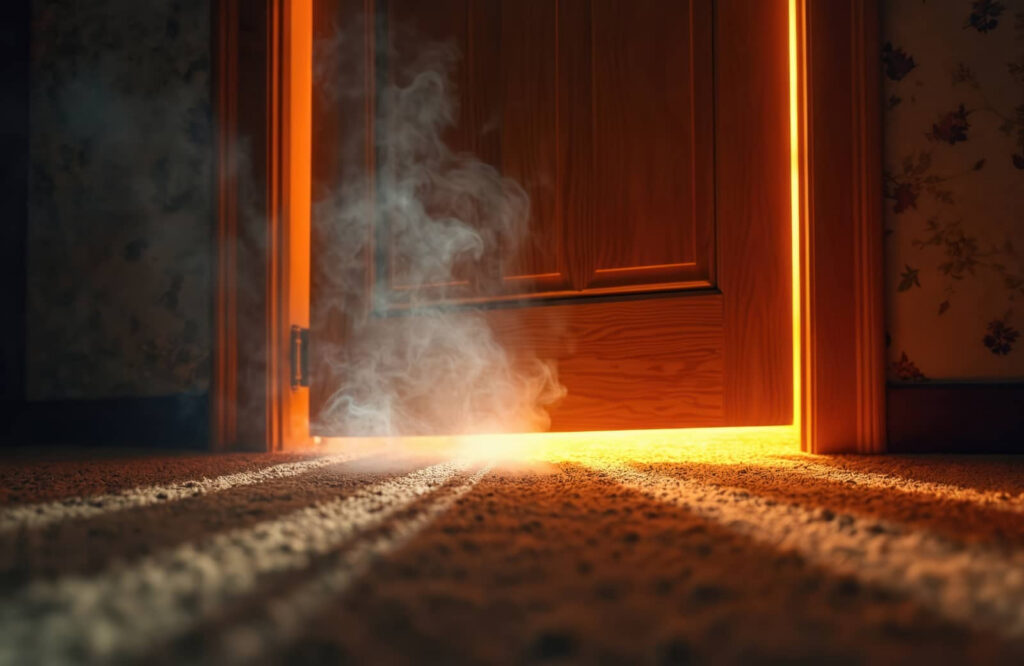
After a kitchen fire, Smoke Damage Restoration After Kitchen Fire should begin with a careful assessment because smoke can travel beyond the room where the fire started. It can move through air paths, settle into porous materials, and leave behind soot and odors that may continue affecting your home if handled incorrectly. A controlled cleanup plan should start with safety, containment, and proper surface treatment. Taking the right steps early can help limit additional damage and make the restoration process more effective.
Key Takeaways
- Ensure everyone is safe, avoid reentry until cleared, and document visible smoke and soot damage for insurance and restoration records.
- Isolate the kitchen, ventilate when safe, and wear gloves, eye protection, and a fitted respirator before cleanup begins.
- Remove loose soot with a HEPA vacuum or soot sponge, then clean hard surfaces using an appropriate degreasing solution.
- Wash fabrics, discard singed food and heavily contaminated items, and use baking soda or activated charcoal to reduce lingering odors.
- Call a smoke damage professional if residue is oily, odors persist, or smoke has spread into walls, cabinets, or HVAC systems.
How Kitchen Fire Smoke Damage Spreads
When a kitchen fire starts, smoke spreads fast through convection, air currents, and your HVAC system, often reaching rooms far beyond the fire area.
Hot gases rise, then cool and settle on ceilings, walls, cabinets, and fabrics. You’ll also see smoke move through gaps around doors, electrical outlets, and ductwork, carrying fine particulates into connected spaces.
As smoke travels, it deposits acidic residue that can etch metal, discolor paint, and penetrate porous materials like drywall and upholstery.
Different fuels create different residues, so contamination patterns vary throughout your home. Greasy protein smoke from cooking can cling aggressively and produce persistent odor.
Understanding these pathways helps you see why smoke damage restoration after kitchen fire events must address both visible staining and hidden contamination across your shared living environment.
What to Do First After a Kitchen Fire
After a kitchen fire, your first priority is to protect life and prevent further contamination. Confirm everyone is out, account for pets, and call emergency services if firefighters haven’t cleared the scene.
Don’t reenter until authorities say it’s safe. If utilities may be compromised, shut off electricity and gas only when you can do so without risk. Isolate the affected area by closing interior doors, and limit foot traffic to reduce soot transfer.
Next, document visible damage with photos and notes for insurance and restoration planning. Notify your insurer promptly, and keep receipts for emergency expenses.
If vulnerable household members need accommodations, arrange them early. Open communication helps your household stay coordinated and calm.
How to Start Smoke Cleanup Safely
Begin smoke cleanup only after the fire scene is fully cleared and the air no longer presents an immediate hazard.
You should ventilate the kitchen, isolate unaffected rooms, and shut off HVAC circulation to limit smoke migration.
Wear gloves, eye protection, and a fitted respirator so you protect your lungs and skin.
As you enter, move deliberately, document damage, and remove vulnerable items before odor and residue spread further throughout your home.
- Gray haze hanging beneath ceiling lights
- Warm metal edges around the stove
- Damp towels sealing door gaps
- Box fans pushing air toward open windows
- Family photos stacked safely in clean bins
How to Remove Soot From Surfaces
With the area stabilized and ventilation in place, you can address soot before it bonds deeper into paint, metal, and porous materials. Start by dry-cleaning surfaces with a soot sponge, lifting residue with straight, overlapping passes.
Don’t scrub first; that drives carbon into finishes and fabrics.
Next, HEPA-vacuum loose particles using brushless attachments on walls, counters, and appliance exteriors. Test a mild degreasing solution on a small spot, then wipe nonporous surfaces with microfiber cloths, changing cloth faces often.
Rinse with clean water and dry immediately to limit streaking and corrosion.
For ceilings, cabinets, and painted drywall, work top down and document areas where staining persists.
If soot has penetrated porous materials or etched metal, pause and bring in restoration professionals so your home recovery stays safe, thorough, and on track.
How to Get Rid of Smoke Odor
Because smoke odor clings to airborne particles and porous materials, you need to remove the source before deodorizers will work. Ventilate the kitchen, replace HVAC filters, and wash hard surfaces with degreasing cleaner.
Then launder fabrics, wipe cabinets, and sprinkle baking soda on rugs before vacuuming. Keep windows open, wear gloves, and test cleaners first.
- A sharp, stale haze trapped in curtains
- Greasy film lingering on cabinet doors
- Charred spice notes rising from upholstery
- Fine residue hiding inside vent covers
- Fresh airflow moving room to room
Use activated charcoal or odor absorbers after cleaning, not before. Empty trash, discard singed food, and seal debris bags tightly.
When to Call a Smoke Damage Pro
When should you call a smoke damage pro after a kitchen fire? Call one if smoke reached cabinets, walls, ceilings, insulation, or HVAC vents.
You should also bring in a specialist when you see oily residue, discoloration, persistent odor, or soot near electrical outlets and appliances. These conditions signal hidden contamination that household cleaning often misses.
A trained team uses testing, containment, and proper filtration to protect your indoor air and prevent cross-contamination.
You’ll want professional help if anyone in your home has asthma, allergies, or smoke sensitivity. Call immediately if the fire involved plastics, wiring, or synthetic materials, because residues can be hazardous.
If you’re unsure whether damage is superficial or embedded, don’t guess. A pro gives your household a safer, more reliable path forward together.
How Long Kitchen Smoke Cleanup Takes
After you know a professional is needed, the next question is usually timing. Kitchen smoke cleanup can take a few hours or several days, depending on heat, residue spread, ventilation, and material porosity.
You’ll usually see inspection first, then containment, residue removal, deodorization, and clearance testing. Small, contained events move faster; heavy soot in cabinets, drywall, and HVAC pathways extends the schedule.
Your restoration team works methodically so your home feels safe, usable, and part of normal life again.
- A gray film clinging to painted walls
- Bitter odor trapped inside upper cabinets
- Black residue settled along vent covers
- Fine particles drifting from textured ceilings
- Damp cleaning cloths darkening with each pass
If repairs are minimal, cleanup may finish within one to two days total.
How to Prevent Lasting Smoke Damage
To prevent lasting smoke damage, you should start immediate ventilation by opening windows, using exhaust fans, and isolating unaffected areas to control residue spread.
You’ll also need to remove soot with the correct dry-cleaning methods, because improper wiping can grind corrosive particles deeper into surfaces.
If you act quickly and follow safe, methodical steps, you can reduce odor, residue, and secondary damage after a kitchen fire.
Immediate Ventilation Steps
First, ventilate the area as soon as the fire is fully extinguished and it’s safe to re-enter. You’ll limit smoke migration by opening exterior windows and doors in a controlled sequence.
Create cross-ventilation, but avoid using your HVAC system, which can spread contaminants through shared ducts. Position yourself upwind when possible, and wear respiratory protection if lingering fumes remain.
If you have exhaust fans that vent outdoors, run them briefly to push smoky air outside. Your quick, disciplined response protects the home everyone relies on.
- Window frames releasing trapped heat
- Doorways channeling gray air outward
- A fan pulling odors toward daylight
- Ceiling corners holding warm haze
- Clean outdoor air replacing stale residue
Monitor the air until visible haze and strong odor diminish considerably.
Soot Cleanup Methods
Because soot bonds quickly to paint, metal, and porous materials, you’ll prevent deeper staining and corrosion by using dry-cleaning methods before any wet washing begins.
Start by wearing gloves, eye protection, and an N95 respirator. Then HEPA-vacuum loose residue with slow, overlapping passes. For adhered film, use a dry-cleaning sponge and lift straight upward; don’t scrub, or you’ll grind particles deeper.
After dry removal, test a mild detergent solution on a hidden area. Wipe hard surfaces with microfiber cloths, changing them often to avoid re-depositing soot. Rinse with clean water and dry immediately to limit oxidation.
For cabinets, ceilings, and textured finishes, work in sections so your cleaning stays consistent and controlled. By following this sequence, you protect your home and restore shared spaces your household depends on.
Frequently Asked Questions
Will Homeowners Insurance Cover Kitchen Smoke Damage Restoration Costs?
Yes, your homeowners insurance often covers kitchen smoke damage restoration costs if a sudden, covered fire caused them. You should verify policy exclusions, document all damage, follow safety protocols, and coordinate promptly with your adjuster.
Can Smoke Damage Affect Indoor Plants or Aquariums?
Yes, smoke damage can harm your indoor plants and aquariums. You should isolate them immediately, because soot, airborne toxins, and residue can contaminate leaves, water, and filtration systems, creating unsafe conditions for your shared environment.
Is It Safe to Eat Food Exposed to Kitchen Fire Smoke?
No—would you trust smoke-tainted food? You shouldn’t eat exposed food; smoke deposits toxic particulates and chemicals on surfaces and packaging. Discard unsealed items, inspect sealed containers carefully, and follow your household’s shared safety standards consistently.
Can Smoke Residue Damage Electronics After a Kitchen Fire?
Yes, smoke residue can damage your electronics after a kitchen fire. You should power them off immediately, avoid charging, and have professionals inspect and clean corrosion-causing particles, so your household stays safe and connected.
Do Air Purifiers Help After Kitchen Fire Smoke Damage?
Yes—like a filter standing guard, you’ll reduce airborne particulates and lingering odors with a HEPA and activated carbon purifier, but you shouldn’t rely on it alone; you still need thorough cleaning, ventilation, and inspection.
Conclusion
Smoke damage restoration after a kitchen fire works best when you act quickly, follow a controlled process, and protect yourself at every step. If you ventilate, isolate, clean soot correctly, and address hidden odor sources, you’ll reduce long-term damage and restore safer indoor conditions. Treat lingering smoke residues like corrosion on metal—if you leave them in place, they keep causing harm. When contamination is extensive or persistent, you should bring in a qualified smoke damage restoration professional immediately.