
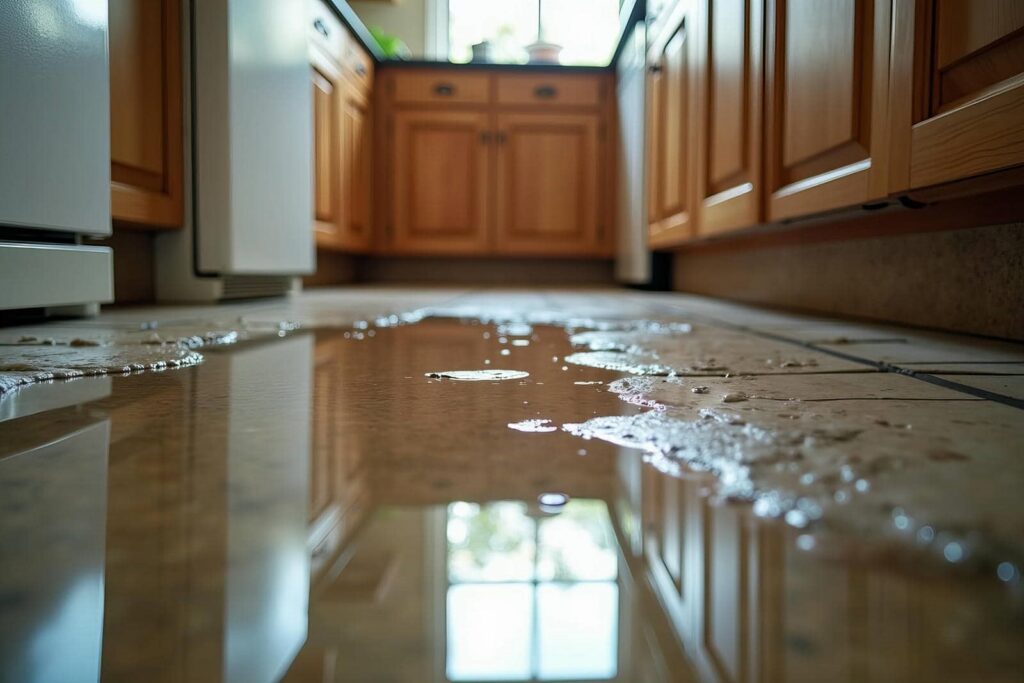
A small leak can become a silent tide beneath your floors. You should call for water damage restoration as soon as you notice damp baseboards, swollen drywall, musty odors, or any sign that moisture has moved beyond the source. Fast action can limit structural damage, reduce microbial growth, and improve repair outcomes, but knowing what professionals inspect and fix can change how you handle the next few hours. It is best to know when to call for water damage restoration.
Key Takeaways
- Call for water damage restoration immediately after any leak, flood, pipe break, or appliance overflow.
- Act fast to limit water spread, structural damage, and mold growth risk.
- Get help if you notice damp baseboards, swollen drywall, soft flooring, or ceiling stains.
- Musty odors, peeling paint, warped trim, or high humidity can signal hidden moisture damage.
- Choose certified professionals who inspect moisture, extract water, dry materials, and prevent further damage.
When to Call for Water Damage Restoration
You should call for water damage restoration as soon as you notice a leak, flooding, or materials that stay wet after cleanup, because moisture can quickly spread damage beyond what you can see.
In practice, when to call for water damage restoration is immediate: after pipe breaks, appliance overflows, roof intrusion, or any water event that leaves drywall, flooring, or insulation damp.
You’ll protect your space, reduce microbial growth risk, and limit structural deterioration by acting fast.
A qualified team can inspect moisture levels, extract water, dry affected areas, and document conditions for your records.
If you’re unsure, trust your instincts and reach out early; prompt action helps you stay in control and keeps your property in the care of people who understand what you’re facing.
Signs Water Damage Has Spread Beyond a Leak
When water damage has spread beyond the original leak, the warning signs usually show up in nearby materials and spaces, not just at the source. You may notice damp baseboards, swollen drywall, soft flooring, or discoloration on ceilings and walls farther from the leak.
Musty odors often signal hidden moisture in cavities, insulation, or subfloors. You might also see peeling paint, warped trim, or recurring condensation around the area.
If adjacent rooms feel more humid or surfaces stay cool and clammy, moisture has likely migrated. Don’t ignore stains that grow, edges that curl, or materials that lose shape.
These signs mean the damage isn’t isolated, and you’re dealing with a larger wet zone that needs prompt attention from a qualified restoration team.
What Water Damage Restoration Fixes
Water damage restoration fixes both visible damage and hidden moisture problems before they spread further.
You get targeted removal of soaked drywall, flooring, insulation, and baseboards, plus controlled drying for framing, subfloors, and cavities. Technicians also clean contaminated surfaces, treat affected areas for microbial growth, and deodorize materials so your space feels safe and familiar again.
They may repair or replace damaged trim, sealant, and structural components, helping you restore a stable home environment.
You also receive moisture mapping and inspection that confirm what needs attention and what’s still sound. That means you can make informed decisions with confidence, protect your property’s condition, and keep your household’s space healthy, functional, and ready for normal use.
Why Fast Water Damage Restoration Matters
Fast action limits how far moisture can spread and helps keep a small problem from turning into structural, electrical, or microbial damage.
When you respond quickly, you protect drywall, framing, insulation, and finish materials before they absorb more water and weaken. You also reduce the time conditions stay favorable for mold growth and corrosion.
- You cut drying time.
- You limit hidden damp areas.
- You lower repair scope.
- You help your property recover faster.
If you’re dealing with a leak, trust that prompt restoration isn’t overreacting—it’s a practical step that keeps your space safer and more stable.
Acting early helps you stay part of a community that values proactive care and resilient homes.
How to Choose a Water Damage Restoration Company
Once you’ve acted quickly to limit water intrusion, the next step is choosing a restoration company that can assess the damage, dry affected materials, and verify the space is safe.
You should look for certified technicians who use moisture meters, thermal imaging, and documented drying plans. Ask whether they handle extraction, structural drying, mold prevention, and sanitation.
A reliable team will explain the scope, share photos, and give you a written estimate and timeline. You’ll feel more confident when the crew communicates clearly, arrives promptly, and works with your insurer.
Check reviews for professionalism, but also verify licensing, insurance, and local experience.
When you choose a trusted provider, you join a group of homeowners who protect their property early and prevent hidden damage from spreading.
Frequently Asked Questions
Does Homeowners Insurance Cover Water Damage Restoration?
Usually, your homeowners insurance covers sudden, accidental water damage, but not gradual leaks or flooding. You’ll need to review your policy, document the damage, and call your insurer promptly to confirm coverage limits.
How Long Does Drying a Water-Damaged Area Usually Take?
Drying a water-damaged area usually takes 24 to 72 hours, but you’ll need longer for soaked carpets, drywall, or hidden cavities. You should monitor moisture, airflow, and temperature to prevent mold and structural damage.
Can I Stay in My Home During Restoration?
Yes, you can sometimes stay home during restoration if crews isolate work areas and moisture levels stay safe. You’ll need to leave if there’s mold, sewage, electrical hazards, or extensive demolition threatening your comfort and health.
What Should I Do Before the Restoration Crew Arrives?
You should shut off the water source, unplug affected electronics, and remove valuables if it’s safe. Then document damage, ventilate the area, and clear access routes so the crew can begin drying and extraction quickly.
Are Mold Inspections Included With Water Damage Restoration?
Usually, you’re not alone if you ask that. Mold inspections aren’t always included; you’ll often need one separately or as an add-on. If materials stay wet over 24-48 hours, you should request a mold assessment.
Wrap-Up
Don’t wait for a tiny leak to become your home’s latest indoor pond. If you notice damp baseboards, swollen drywall, or that lovely musty odor, call for water damage restoration right away. You’ll protect your property, limit microbial growth, and avoid costly repairs later. The faster you act, the less damage spreads, and the sooner professionals can dry, clean, and restore your space. In water damage, procrastination rarely improves the forecast.