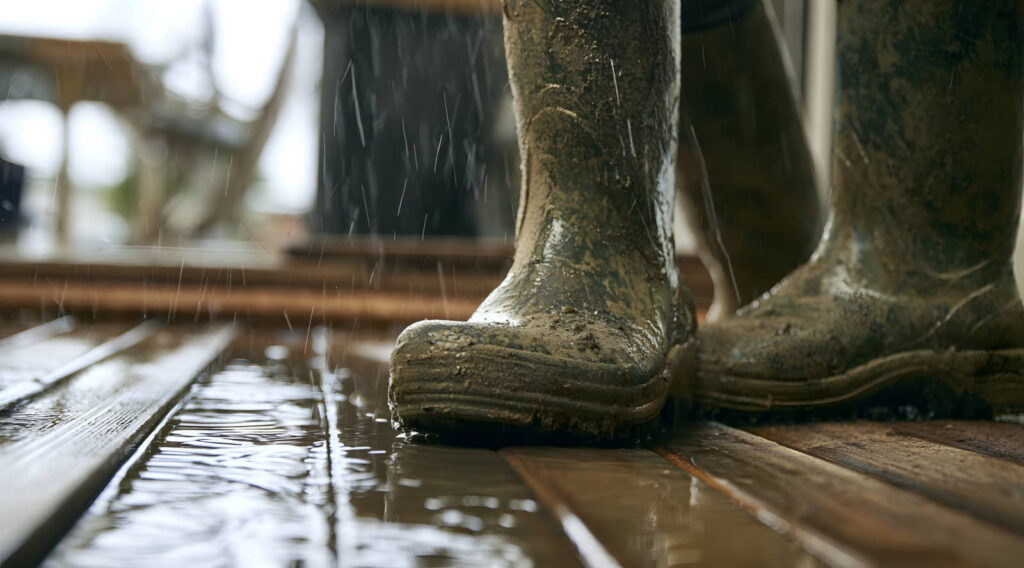
When a warehouse floor turns into a mirror after a storm, Commercial property recovery starts with recognizing that water doesn’t wait for permission. You need to check safety, stop the source, and bring in a commercial water damage team before extraction, drying, and sanitization can begin. Then you document every loss, restore critical systems, and plan the reopening carefully, because the real risk often starts after the visible water is gone.
Key Takeaways
- Assess structural safety first, documenting hazards, electrical risks, and visible damage before anyone enters cleanup areas.
- Stop the flood source immediately by shutting off water and isolating affected areas to limit further damage.
- Contact a commercial water damage restoration team to document losses, protect assets, and coordinate recovery.
- Extract standing water quickly, remove saturated materials, and disinfect affected surfaces to prevent mold and contamination.
- Inspect and restore electrical, HVAC, plumbing, and fire systems, then implement prevention measures like valve maps and sump pump testing.
Check Safety Before Entering
Before you enter a flood-damaged commercial property, you need to check for immediate hazards and confirm the structure is safe.
You should inspect from outside first, looking for bowed walls, sagging roofs, broken glass, downed utilities, and visible contamination. If you detect instability, don’t go in until a qualified professional clears the site.
Use personal protective equipment, document conditions, and establish controlled access so your team stays aligned and protected. In flood damage restoration for commercial property, this step reduces injury risk and helps you make informed decisions before work begins.
Check for electrical hazards, gas leaks, and compromised flooring, then verify that emergency exits remain usable.
When you and your crew follow a disciplined safety protocol, you create a secure starting point for recovery.
Stop the Flood at the Source
You should shut off the main water supply immediately to stop additional discharge and limit structural saturation.
Next, isolate the affected areas by closing valves, sealing openings, and restricting access to contain the water loss.
These actions help reduce secondary damage and support faster flood damage restoration.
Shut Off Water Supply
Locate and shut off the water supply immediately to stop the flood at the source and limit further damage to the commercial property.
You should identify the main valve, confirm the shutoff is fully closed, and verify that water pressure has dropped. If the system includes multiple branches, close each accessible control point to prevent renewed flow.
Keep authorized staff informed so everyone can act with confidence and stay aligned during restoration.
- Use a labeled valve map for fast identification
- Turn the valve clockwise until it stops
- Check meters and gauges for active flow
- Document the shutdown time for recovery records
This step helps you protect assets, reduce exposure, and restore operations with your team.
Isolate Affected Areas
After shutting off the main supply, isolate the affected areas to keep water from spreading through the commercial property. Close doors, deploy temporary barriers, and use plastic sheeting or flood panels to protect adjoining suites, hallways, and equipment rooms.
You should also shut down HVAC zones that can move moisture or contaminants into safe spaces. Mark wet floors and restrict access so your team stays out of damaged sections and works together safely.
If water is entering from a specific wall, roof section, or drain, contain that source immediately. This limits secondary damage, speeds drying, and supports a controlled restoration plan.
When you isolate the zone quickly, you help your staff protect assets, reduce downtime, and restore normal operations with confidence.
Call a Commercial Water Damage Team
Call a commercial water damage team immediately to assess the loss, extract standing water, and begin controlled drying before secondary damage spreads.
You’ll get a coordinated response that protects your facility, supports your staff, and keeps recovery aligned with operational needs. A qualified team documents conditions, identifies moisture migration, and advises you on safe access and material priorities. Their expertise helps you avoid missed damage, inconsistent decisions, and unnecessary delays.
- Verify the source and extent of intrusion
- Record losses for insurance and reporting
- Protect sensitive equipment and inventory
- Coordinate mitigation with building management
When you call trained specialists early, you join a structured recovery process that reduces uncertainty and helps your property return to service faster.
Start Water Extraction and Drying
You should begin rapid water removal immediately to limit structural damage and reduce downtime.
Next, you’ll use industrial drying equipment to pull moisture from floors, walls, and concealed cavities.
Then you’ll perform moisture monitoring checks to confirm the affected areas are drying to target levels.
Rapid Water Removal
Rapid water removal should begin immediately to limit structural saturation and reduce the risk of secondary damage in commercial properties. You’ll protect your facility when you prioritize extraction, monitor moisture migration, and document affected areas for coordinated recovery.
Fast action helps your team preserve operations and supports a smoother return to normal.
- Extract standing water from floors, carpets, and low points.
- Remove soaked materials that can’t dry safely.
- Open affected compartments to reduce trapped moisture.
- Track humidity and surface conditions during each pass.
You should also isolate the wet zone, control foot traffic, and verify that utilities stay safe before work continues.
When you act decisively, you help your building team stay aligned, reduce losses, and move the property toward stable, sanitary conditions without unnecessary delay.
Industrial Drying Equipment
Once standing water is removed, industrial drying equipment should be deployed to start controlled moisture extraction and stabilize the affected area.
You’ll use high-capacity air movers to increase evaporation from wet floors, walls, and structural materials, while commercial dehumidifiers capture the released vapor and lower indoor humidity.
This coordinated setup helps you protect finishes, limit secondary damage, and keep operations moving toward recovery.
Place units to create consistent airflow across the space, and position them to support affected zones without blocking access routes.
You can also adjust equipment placement to match room geometry and material exposure.
Moisture Monitoring Checks
Track moisture levels continuously as water extraction and drying begin, because effective monitoring tells you whether the recovery plan is working and where adjustments are needed.
You should document readings at floors, walls, and hidden cavities, then compare them with baseline conditions and material-specific drying targets. This process helps your team stay aligned and confident as work progresses.
- Use calibrated meters and hygrometers.
- Check structural materials, finishes, and contents separately.
- Record temperature, relative humidity, and surface moisture.
- Reassess after each equipment adjustment.
When you verify steady declines, you confirm that drying is advancing and secondary damage risk is dropping.
If readings stall, you can reposition equipment, increase airflow, or isolate wet zones to keep your property recovery on track.
Document Damage for Insurance
After a flood, you should document all visible damage before cleanup begins to support your insurance claim. Capture wide-angle and close-up photos of every affected area, including walls, floors, ceilings, equipment, and inventory, and record the date, time, and location for each image.
Create a detailed written log that identifies each damaged asset, its condition, and any visible staining, warping, or corrosion. Keep copies of purchase records, maintenance files, and prior inspection reports to verify value and preloss status.
Store all files in a shared digital folder so your team can access them quickly and present a unified case. Clear documentation helps you communicate confidently with adjusters, reduce disputes, and strengthen recovery.
Remove Damaged Materials and Contents
You should first assess which items and building materials are salvageable based on contamination level, structural condition, and drying potential.
Remove saturated materials that can’t be restored, including damaged drywall, insulation, and porous contents, to limit microbial growth and secondary damage.
Document all disposed materials and contents so you can track losses accurately and support insurance and restoration records.
Assess Salvageable Items
Start by evaluating which items and materials can be salvaged, then remove anything that’s too damaged to restore. You should inspect structural components, fixtures, inventory, and equipment for distortion, staining, or functional loss.
Tag items that still meet restoration criteria so your team can separate them efficiently and protect your recovery timeline. When you work methodically, you help your staff stay aligned and maintain a shared standard for what stays and what goes.
- Check labels, serial numbers, and asset records.
- Compare visible damage with manufacturer tolerance.
- Set aside items with recoverable surfaces or parts.
- Document each decision for insurance and continuity.
Remove Saturated Materials
With salvage decisions made, remove saturated materials and damaged contents quickly to stop moisture from spreading and limit secondary losses.
You should clear soaked carpet, pad, insulation, ceiling tiles, and warped porous furnishings first, because they hold water and support microbial growth.
Use approved PPE, isolate the work zone, and move items along a defined path to protect clean areas. You’ll reduce load on drying equipment and expose structural surfaces for faster extraction and air movement.
Separate contaminated debris from restorable contents, and place wet materials in lined containers or sealed carts for transport.
Coordinate with your restoration team so everyone follows the same sequence and keeps the site organized.
When you act decisively, you help your crew regain control and keep recovery moving.
Document Disposal Needs
As crews remove damaged materials and contents, document every disposal need before items leave the site so you can track losses, support claims, and prevent confusion during recovery.
You should assign item IDs, note room locations, and photograph each category before disposal begins. Record whether you’re discarding drywall, carpet, insulation, furnishings, or electronics, and mark any hazardous waste for regulated handling.
Keep chain-of-custody logs so your team stays aligned and insurers can verify quantities.
- List contents by department
- Note moisture, contamination, and odor
- Separate salvageable from non-salvageable items
- Confirm dumpster, pickup, and manifest details
Sanitize the Property and Prevent Mold
Disinfect affected surfaces promptly to reduce contamination and limit microbial growth after flooding.
You should remove porous materials that can’t be fully cleaned, then wash hard surfaces with approved detergents before applying a disinfectant.
Keep your crew in appropriate PPE and work in a controlled sequence so cleaned areas stay protected.
Use dehumidifiers and air movement to lower humidity, because mold can begin within 24 to 48 hours.
Inspect wall cavities, baseboards, and hidden voids for residual moisture, and verify dryness with a moisture meter.
If you smell musty odors or see spotting, treat it as an active risk and isolate the area.
Restore Building Systems Safely
Before you re-energize a flooded building, have qualified technicians inspect electrical, HVAC, plumbing, and fire protection systems for water intrusion, corrosion, and hidden damage.
You’ll protect your team and your investment by restoring each system in sequence and documenting every test. Use licensed electricians to verify insulation resistance, grounding, panel integrity, and safe startup.
Confirm HVAC components are dry, cleaned, and balanced before you run them. Check plumbing lines, valves, and backflow devices for contamination or leaks. Verify fire sprinkler controls, alarms, and pumps operate as designed.
- Isolate damaged circuits before testing
- Replace compromised filters, belts, and sensors
- Flush contaminated water lines thoroughly
- Record readings for insurance and repairs
Prepare for Safe Reopening
Once restoration crews complete cleanup and system verification, you can prepare the facility for safe reopening by confirming that all work areas meet health, safety, and code requirements.
Walk each zone with your restoration lead, facilities team, and any required inspectors to verify dry surfaces, stable utilities, clear egress paths, and functioning alarms.
Remove containment materials only after airborne dust and moisture readings show acceptable levels. Document final cleaning, equipment resets, and permit signoffs so your team has a clear reopening record.
Brief employees on approved access points, restricted areas, and reporting procedures for lingering issues. Keep customer-facing spaces staged, labeled, and orderly to support confidence and a smooth return.
When every checkpoint passes, you can reopen with assurance and protect your team.
Prevent Future Flood Damage
To reduce the risk of another loss, you should identify how water entered the building and correct each point of failure, whether it came from roof drainage, plumbing, foundation seepage, or backup systems.
You’ll strengthen your property when you pair repairs with monitoring, maintenance, and documented response plans. Your team can then act with confidence, knowing each safeguard supports the next.
- Inspect gutters, downspouts, and roof penetrations on a set schedule.
- Test sump pumps, alarms, and backup power under load.
- Seal cracks, joints, and utility openings with approved materials.
- Map shutoff valves and train staff on rapid isolation.
These controls reduce exposure, limit downtime, and help you protect the facility your people rely on.
Frequently Asked Questions
How Long Does Commercial Flood Restoration Usually Take?
It usually takes you three days to several weeks, depending on water depth, material damage, drying time, and repairs. You’ll move faster when you act immediately, document losses, and coordinate mitigation teams closely.
What Insurance Documents Speed up a Commercial Flood Claim?
You’ll speed up your claim with photos, inventory lists, repair estimates, invoices, loss runs, and a signed proof of loss. Many claims stall on missing paperwork, so you should organize documents fast.
Can Employees Work During Commercial Flood Cleanup?
Yes, you can have employees work during cleanup if you isolate unaffected zones, verify air quality, and block hazards. You’ll keep teams safer, reduce downtime, and preserve morale when you communicate clearly and assign controlled tasks.
How Much Does Commercial Flood Damage Restoration Cost?
Costs vary widely—you’ll typically pay $3,000 to $100,000+, depending on water depth, square footage, materials, and mold risk. Measure twice, cut once: you should get an inspection, itemized estimate, and rapid mitigation plan.
What Records Should Businesses Keep After Flood Recovery?
You should keep damage photos, inspection reports, invoices, receipts, insurance claims, communications, remediation logs, inventory lists, and occupancy records. They’ll support reimbursement, compliance, and audits while you document every recovery step clearly.
Summary
You’ve moved from chaos to control, from standing water to a stable recovery. By checking safety first, stopping the source, and bringing in a commercial water damage team, you protect both people and property. Careful extraction, sanitation, and system repairs restore function, while documentation supports your claim. Reopening should feel decisive, not rushed. And with preventive upgrades in place, you’re not just recovering from flood damage—you’re strengthening your property against the next event.