
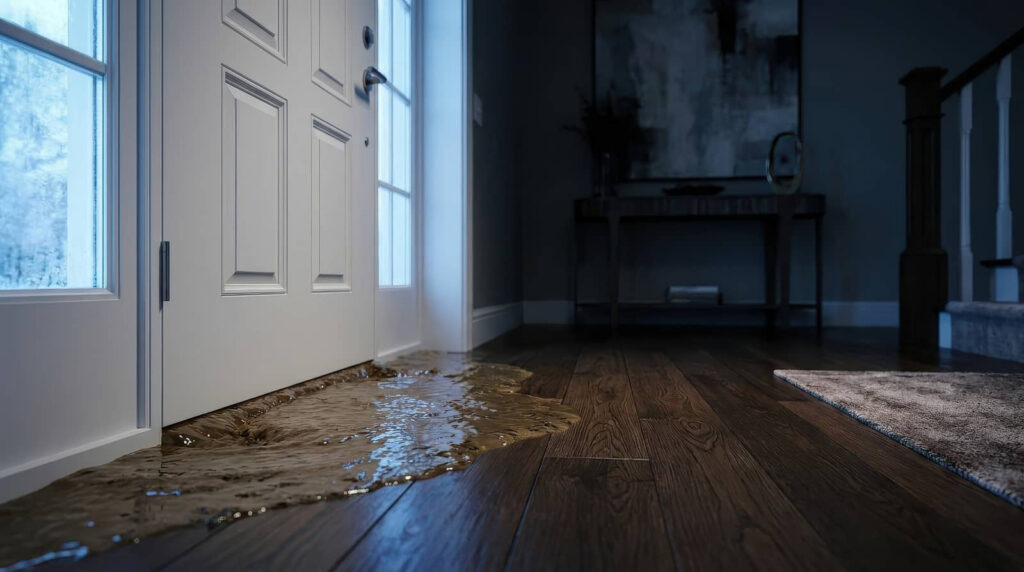
When floodwater rises, it leaves a silent clock ticking in your home. Flood damage restoration starts with shutting off power if it’s safe, documenting damage, and removing standing water and soaked materials right away. Then you’ll need to dry surfaces quickly, sort salvageable items, and watch for hidden contamination. The right sequence can limit structural loss and mold, but some conditions demand professional restoration before the damage spreads further.
Key Takeaways
- Shut off electricity and gas if it is safe, then document damage with photos for insurance and restoration claims.
- Remove standing water quickly using pumps, wet vacuums, or buckets, and wear protective gear during cleanup.
- Take out soaked carpets, padding, insulation, and other porous materials to reduce mold and further damage.
- Dry the home fast with fans, dehumidifiers, and open windows when air is dry, keeping humidity below 60%.
- Call licensed flood restoration professionals if water remains, contamination is present, or drywall, wiring, or insulation are soaked.
What to Do Immediately After Flooding
Right after flooding, you should act fast to limit further damage and start recovery. Shut off electricity and gas if it’s safe, and document visible loss with photos for your insurance claim.
Contact a licensed flood damage restoration after heavy rain provider so you’ve got trained support from the start. Notify your insurer, local utility, and landlord or HOA, if applicable.
Wear protective gear, including boots, gloves, and a mask, because floodwater may contain contaminants. Keep family members and pets away from affected areas until a professional confirms it’s safe.
Gather identification, medications, and essential records, then move them to a dry, secure place.
You’re not handling this alone; clear, timely action helps your home and community recover efficiently and safely.
Remove Standing Water and Wet Materials
Once the area is safe, start removing standing water and saturated materials as quickly as possible to limit mold growth, structural damage, and further contamination.
You can use a submersible pump, wet vacuum, or buckets for shallow water, moving methodically from the lowest point outward. Wear gloves, boots, and eye protection, and keep children and pets away.
Remove soaked carpets, padding, insulation, cardboard, and any porous items that can’t be cleaned or disinfected effectively. Bag debris as you go to keep pathways clear and reduce trip hazards.
If you’re unsure whether a material is salvageable, treat it as contaminated until a professional inspects it.
Work in teams when possible; sharing the load helps you finish faster and keeps your restoration effort organized, safe, and steady.
Dry Out Your Home Before Mold Starts
With the standing water removed, you need to dry the home quickly to slow mold growth and prevent further material damage.
Open windows only if outdoor air is dry and safe, then run high-capacity fans to move air across wet surfaces. Use dehumidifiers in closed rooms to pull moisture from framing, drywall, and flooring.
Keep HVAC running if the system stayed dry, but replace damp filters right away. Lift carpets and pad edges so air can reach trapped moisture.
Monitor humidity with a meter and aim for below 60%. Check concealed spaces, including closets, under sinks, and behind baseboards, because moisture hides there.
Work methodically, stay patient, and you’ll protect your home and help your household feel secure again.
Clean and Salvage Flood-Damaged Items
Start sorting flood-damaged items as soon as surfaces are dry enough to handle safely. You’ll protect salvageable belongings and reduce the spread of contamination by working in clean zones.
Wear gloves, an N95, and closed shoes, then separate porous from nonporous materials. Wash hard surfaces with warm water and detergent, rinse, and disinfect with a labeled sanitizer. Air-dry items completely before storing them again.
- Keep photos, documents, and textiles apart
- Discard swollen particleboard and soaked insulation
- Clean metal, glass, and sealed plastic thoroughly
- Label keep, clean, and discard piles
If you move steadily, you’ll make practical progress with your household team.
Check each item for odor, staining, warping, or residue, and trust your inspection.
When to Call Flood Damage Restoration Pros
Call flood damage restoration pros when the water has soaked insulation, drywall, subfloors, or electrical systems, or when standing water remains after you’ve shut off the source.
You need certified help if you smell mildew, see warped materials, or can’t confirm hidden moisture behind walls and under flooring.
Professionals use meters, air movers, dehumidifiers, and antimicrobial treatments to dry your home safely and reduce structural and health risks.
If contamination came from sewage, storm runoff, or river water, don’t wait; exposure can escalate quickly.
You’re not handling this alone—experienced crews guide you through inspection, extraction, and cleanup, so your space can return to a safe, familiar place sooner.
Call quickly to protect your property, your routine, and your peace of mind.
Frequently Asked Questions
How Long Does Flood Damage Restoration Usually Take?
You’ll usually need 3–7 days for drying and cleanup, but repairs can take weeks. You can expect timing to depend on water depth, material damage, and how quickly you start restoration.
Will My Insurance Cover Flood Damage Restoration Costs?
Maybe—if your policy includes flood coverage, you’re likely covered; if not, you won’t be. You should review exclusions, deductibles, and claim limits now, then call your insurer and document everything promptly.
Can Floodwater Affect My Home’s Electrical System?
Yes, floodwater can damage your home’s electrical system, creating shock and fire hazards. You should shut off power, avoid wet outlets, and have a licensed electrician inspect wiring, panels, and appliances before you use them again.
What Permits Are Needed for Major Flood Repairs?
You’ll usually need building, electrical, plumbing, and mechanical permits for major repairs; minor drying doesn’t. Check your local building department, then coordinate with your insurer and contractor so you feel supported, compliant, and safe.
How Can I Prevent Future Flooding Around My Home?
You can prevent future flooding by grading soil away from your foundation, cleaning gutters, extending downspouts, sealing cracks, installing sump pumps, and checking drainage regularly. You’ll reduce risk and protect your home’s comfort, safety, and community.
Recap
When the storm finally passes, you can start to reclaim your space. Shut off the risks, document the damage, and move fast to clear out standing water before it soaks deeper into your home’s bones. Dry every surface thoroughly, then clean and sort what you can save. If the damage is widespread or contaminated, you don’t have to face it alone—flood restoration pros can help you rebuild safely, one solid, dry step at a time.