
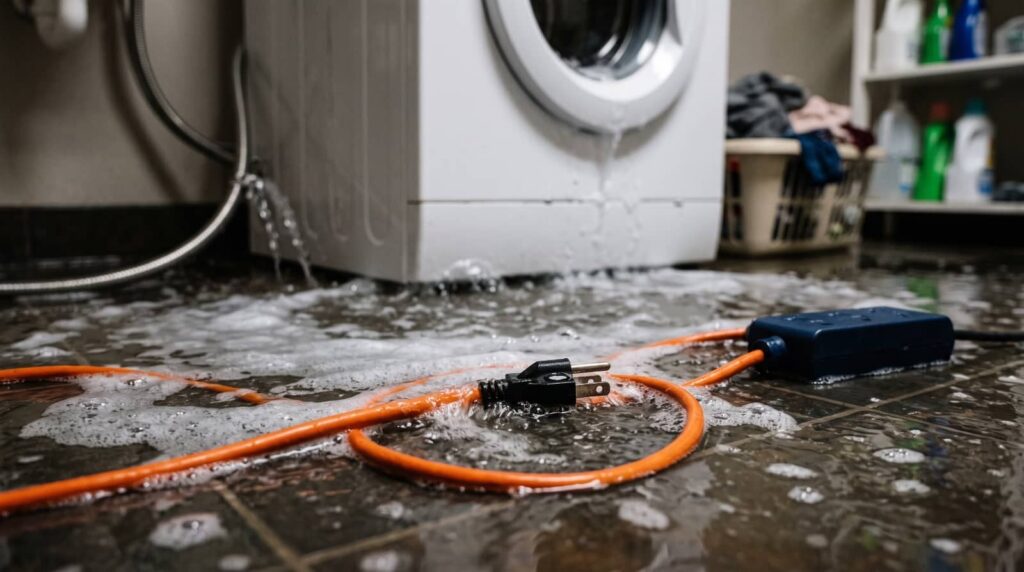
When you search for 24 hour water extraction near me, you should expect a fast, methodical response focused on limiting damage now, not later. A qualified crew will secure the source, assess moisture spread, and start extraction with commercial-grade equipment before mold and structural issues escalate. You can also expect clear documentation for insurance and a defined next step at each stage. What happens in the first hour often determines how much of your property you can save.
Key Takeaways
- Call 24/7 water extraction immediately to limit structural damage, reduce restoration costs, and help prevent mold growth within 24 to 48 hours.
- Before crews arrive, stop the water source if safe, shut off nearby electricity, move valuables, and document damage for insurance.
- Expect a rapid response, safety inspection, moisture mapping, containment setup, and immediate extraction using commercial-grade pumps and vacuums.
- Technicians will inspect affected rooms, test moisture levels, find hidden saturation, and determine which materials can be dried or removed.
- Choose a nearby service with emergency availability, certified technicians, strong reviews, proper licensing, and clear estimates before work begins.
What to Expect From 24/7 Water Extraction
Within minutes of your call, a 24/7 water extraction crew typically arrives, secures the affected area, and identifies the source of the intrusion so the damage doesn’t spread.
You can expect rapid moisture mapping, safety checks, and immediate containment to protect your home and everyone in it.
The team then deploys commercial-grade pumps, weighted extractors, and air movement planning based on material saturation and category of water loss.
They document affected surfaces, assess structural risk, and monitor humidity to guide precise drying targets.
If you’re searching for 24 hour water extraction near me, this is the coordinated response that helps you feel supported, informed, and protected.
You’re not facing the emergency alone; trained technicians work methodically to stabilize conditions, reduce secondary damage, and move your property toward recovery fast.
What to Do Before the Crew Arrives
Before the crew arrives, take three priority steps: stop the water source if you can do so safely, shut off electricity to affected areas if water is near outlets or appliances, and keep people and pets out of the space.
Next, protect what you can without risking injury. Move dry valuables, rugs, documents, and electronics away from moisture. Place foil or wood blocks under furniture legs if floors are wet.
Open cabinet doors and interior rooms to improve airflow, but don’t use a household vacuum on standing water. If it’s safe, take clear photos and short videos for insurance records.
Gather essential items, medications, chargers, and important papers in one spot. You’re not overreacting—you’re stabilizing the situation and helping your home recover faster while your emergency response team is on the way.
What Crews Do First on Arrival
When the crew arrives, they first perform an immediate safety check so you’re protected from electrical, structural, and contamination hazards.
Next, they stop or isolate the water source to prevent additional intrusion and stabilize the site fast.
Once conditions are secure, they assess the extent of the damage so you can get a precise extraction and drying plan without delay.
Immediate Safety Check
Although every water emergency looks different, the crew’s first job is a rapid safety check to protect you, your property, and everyone entering the site. They assess slip hazards, unstable flooring, ceiling sag, contaminated areas, and electrical exposure before moving equipment inside. You’ll know your team is focused on keeping everyone safe from the first minute.
Next, they establish safe entry paths, isolate dangerous rooms, and identify materials that could fail under weight or moisture stress. They check air conditions, look for visible mold activity, and note belongings needing careful handling.
If children, pets, or vulnerable family members are present, they’ll help you create a safer buffer zone fast. This process gives you confidence, keeps your household included in decisions, and lets extraction begin without adding preventable risk or confusion later.
Water Source Control
First, the crew works to stop the water at its source, because extraction can’t succeed if new water keeps entering the structure. You’ll see technicians trace the intrusion path, identify whether it’s a supply line, appliance connection, roof breach, or drain backup, and isolate it fast. They shut off local valves when possible, then move to the main if needed.
If electricity affects access, they coordinate safe utility control before touching wet systems.
You’re not left guessing during this step. The team explains what they’re shutting down, why it matters, and how it protects your home or business from escalating saturation.
Temporary containment may include capping lines, placing barriers, or redirecting flow. That quick control creates the stable conditions your property needs so restoration can begin safely together.
Damage Assessment Steps
Once the water flow is under control, crews assess the damage to map the scope, hazards, and fastest extraction plan. You’ll see them move quickly but methodically, because every minute matters and you’re not facing this alone.
They inspect affected rooms, test moisture levels, and identify materials that can be saved versus removed. They also check for electrical risks, contamination, and hidden water migration behind walls or under flooring.
- Moisture meters locate wet zones you can’t see.
- Thermal imaging tracks spread through walls and ceilings.
- Safety checks flag shock risks, sewage, or structural weakness.
- Documentation supports your claim and guides the restoration team.
This first survey gives you a clear path forward. With accurate data, crews can extract water faster, protect your property, and help your space feel like home again.
What Equipment Water Extraction Uses
When a 24 hour water extraction crew arrives, they deploy specialized equipment designed to remove water fast, limit structural damage, and start drying your property immediately.
You’ll typically see powerful submersible pumps for standing water, truck-mounted or portable extractors for carpets and floors, and moisture meters that pinpoint hidden saturation behind walls or under materials.
Your crew may also use infrared cameras to detect trapped moisture without invasive demolition.
Industrial air movers push airflow across wet surfaces, while commercial dehumidifiers pull excess vapor from the air to stabilize indoor conditions.
If contamination is possible, technicians wear protective gear and set up containment barriers to protect your space.
Each tool works as part of a coordinated system, so you can feel confident your home is being handled by people who know exactly what belongs next.
How Long Emergency Water Removal Takes
Although every loss is different, emergency water removal usually takes a few hours for minor intrusions and considerably longer for deep standing water or large affected areas. Your timeline depends on how far water traveled, what materials absorbed it, and how quickly extraction begins. Fast action protects your home and helps your space feel like yours again.
Shallow, localized water may be extracted within two to four hours.
Saturated carpet, pad, and underlayment can add several more hours.
Multi-room flooding often requires staged extraction to control migration.
Crawlspaces, hardwood, and dense assemblies slow progress considerably.
You can expect crews to prioritize safety, stop spread, and remove bulk water first.
Once extraction starts, progress is usually measurable quickly, even when full removal takes longer. That momentum reassures you and your household.
How to Choose a Local Extraction Company
How do you choose the right local extraction company when every minute counts? Start with response speed, certification, and equipment. You need a team that answers 24/7, arrives fast, and follows IICRC standards.
Ask whether they use commercial extractors, moisture meters, thermal imaging, and dehumidifiers. Those tools show they can remove visible water and hidden saturation before mold takes hold.
Next, look for a company rooted in your community. You’ll feel more confident with technicians who know local building materials, weather patterns, and insurance processes.
Check reviews for clear communication, professionalism, and follow-through. Confirm they document damage, explain each step, and coordinate with your insurer.
When a crew combines urgency, technical skill, and neighborly care, you’re not just hiring help—you’re choosing a team that stands with you.
Frequently Asked Questions
Does Homeowners Insurance Cover Emergency Water Extraction Services?
Yes, your homeowners insurance often covers emergency water extraction if sudden, accidental water damage caused it. You should document everything, contact your insurer immediately, and act fast, because your restoration team helps protect your home and claim.
Can Water Extraction Help Prevent Mold After Flooding?
Yes—an ounce of prevention’s worth a pound of cure. You reduce mold risk after flooding by extracting water fast, drying materials, and lowering humidity. You protect your home, and your community, from contamination.
Is It Safe to Stay Home During Water Extraction?
Yes, you can sometimes stay home during water extraction, but you must leave if crews identify electrical hazards, contamination, or structural risks. You’ll stay safest by following their instructions fast and keeping everyone together.
Do Water Extraction Companies Work With Insurance Adjusters Directly?
Yes, you’ll often find water extraction companies coordinate directly with insurance adjusters, documenting damage, sharing moisture readings, and speeding approvals. You still stay involved, but their communication helps your claim move faster and more accurately.
What Should I Do if Water Damage Happens Overnight?
You should act fast: the theory that waiting until morning saves damage is false. Shut off water and electricity, move valuables, document everything, and call emergency extraction crews immediately so you’ll protect your home and recovery.
Review
When you call for 24-hour water extraction near you, you can expect fast action that protects your home and limits structural loss. In fact, mold can begin growing within 24 to 48 hours after water exposure, so every minute counts. You should move quickly, follow basic safety steps, and choose a local crew with proven equipment and documentation practices. With the right team, you’ll reduce damage, support your insurance claim, and speed up full restoration with confidence.