
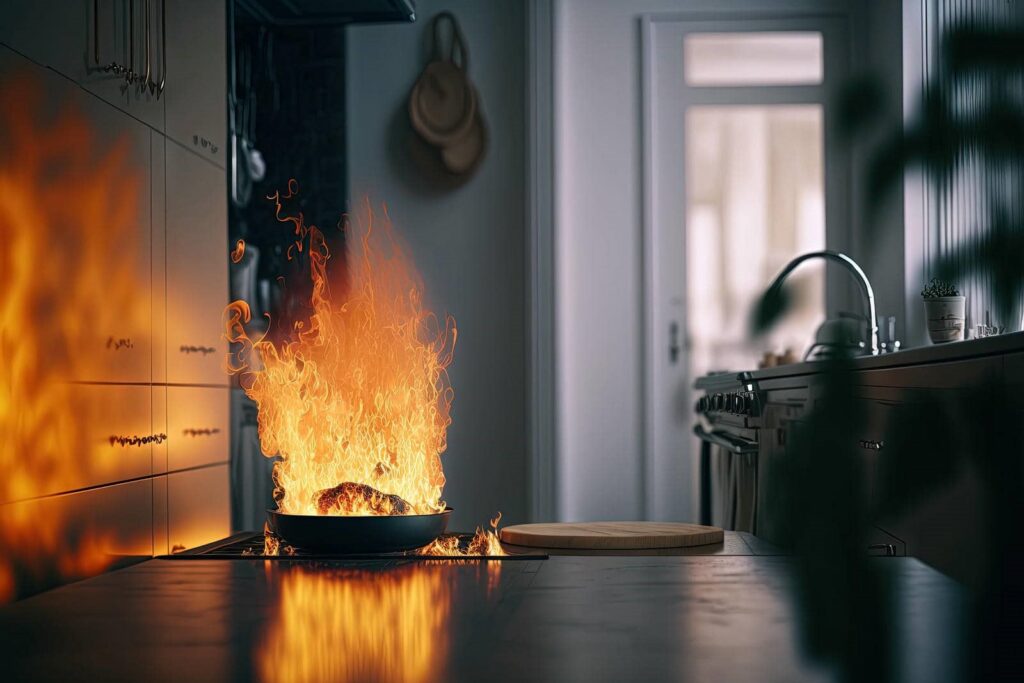
Soot can look harmless until you wipe it the wrong way and drive it deeper into surfaces. You need to protect yourself first, then work with the right tools, not water and rags. HEPA vacuuming, dry-cleaning sponges, and careful sequencing can limit damage, but one wrong move can spread residue fast. Before you touch a wall or ceiling, know what to clean, what to leave alone, and what signals bigger restoration is needed.
Key Takeaways
- Make the area safe first: check for structural damage, turn off affected power, and ventilate only if smoke has cleared.
- Wear nitrile gloves, goggles, a fitted respirator, long sleeves, and closed-toe shoes to protect against soot exposure.
- Remove loose soot with a HEPA vacuum and dry-cleaning sponge using light, straight passes; do not rub.
- Clean walls, fabrics, and upholstery in small sections with gentle methods, testing hidden areas first to avoid smearing or staining.
- Call a restoration professional if soot is heavy, odors persist, HVAC is affected, or porous materials and electronics are contaminated.
Prepare Safely Before Cleaning Soot
Before you clean soot, make sure the area is safe to enter and work in. Check for hidden hotspots, weakened ceilings, broken glass, and sharp debris before you begin soot cleanup after house fire damage.
If you smell strong smoke or see active fire damage, leave and call the fire department or a restoration pro. Turn off power to affected circuits if you can do so safely. Open windows to improve ventilation, but don’t spread soot with fans.
Wear gloves, a respirator, and eye protection so you and your household stay protected. Contain the area by closing doors and limiting foot traffic. Protect nearby clean rooms, because soot travels easily and stains fast.
Take a few careful minutes now, and you’ll help your cleanup stay controlled, safe, and effective.
Gather Soot Cleanup Supplies
You’ll need the right cleaning tools before you start, including HEPA vacuum attachments, dry-cleaning sponges, microfiber cloths, and disposable wipes.
Put on protective safety gear such as gloves, an N95 or better respirator, eye protection, and coveralls to limit soot contact.
Keep supplies organized so you can clean efficiently without spreading residue or damaging surfaces.
Essential Cleaning Tools
A few essential tools can make soot cleanup safer and more effective. You’ll work better when you gather items that lift residue without driving it deeper into surfaces. Start with:
A HEPA vacuum with soft attachments to remove loose soot.
Dry chemical sponges to pick up fine film from walls and trim.
Microfiber cloths and mild cleaning solution for controlled wiping.
Keep clean buckets, disposable wipes, and a separate trash bag nearby so you don’t cross-contaminate rooms.
Use tools only on cool, stable surfaces, and test a small hidden area first. If a tool smears instead of lifting soot, stop and switch methods.
With the right setup, you can clean methodically, protect materials, and stay aligned with others restoring the space.
Protective Safety Gear
When you gather soot cleanup supplies, wear protective gear that keeps residue off your skin, eyes, and lungs. Use nitrile gloves, safety goggles, and a fitted respirator rated for fine particulates; these help you stay protected while you work through the damage.
Choose long sleeves, disposable coveralls, and closed-toe shoes so soot won’t settle on your clothes or spread to cleaner rooms. If you’re sharing the cleanup load with family or neighbors, give everyone the same basic protection before anyone touches surfaces.
Check that your gear seals well, fits comfortably, and doesn’t restrict movement. Replace damaged gloves or clogged filters right away. You’ll work more confidently, reduce contamination, and keep the cleanup controlled from the start.
Protect Floors and Nearby Surfaces
Before you start scrubbing soot, cover floors and nearby surfaces with clean drop cloths or plastic sheeting to limit staining and stop residue from spreading.
Anchor the edges with painter’s tape so the covering stays flat and you don’t trap grit underneath. Move small items away from walls, then shield baseboards, countertops, and vents in the same room.
If your home’s layout feels overwhelming, work one zone at a time so you can keep control and stay connected to the task.
- Use overlapping sheets to block seams.
- Replace any cover that becomes soiled.
- Keep traffic paths protected until cleanup ends.
This barrier helps you avoid unnecessary abrasion, preserves finishes, and gives your household a cleaner, safer starting point.
Clean Soot Without Smearing It
Start with a dry soot sponge to lift loose residue before you use any liquid cleaner.
You should make light, straight passes and stop as soon as the sponge loads up, because rubbing can smear soot deeper into the surface.
Work in small sections so you can control debris spread and reduce the risk of permanent staining.
Dry Sponge First
Use a dry chemical sponge first to lift soot without grinding it into the surface. You’ll work better when you keep the sponge dry, clean, and flat against the damaged area. Small, controlled strokes help you stay precise and avoid spreading residue to nearby spots.
If you’re restoring your home with others, this step gives everyone a safer starting point and helps the room feel manageable again.
- Test a hidden corner first so you can check how the finish reacts.
- Replace the sponge when it loads up, because a dirty sponge can redeposit soot.
- Move in one direction with light pressure so you keep the surface intact.
Stop if the material starts to smear or dull.
Lift, Don’t Rub
Lift the soot away with light, deliberate passes so you don’t grind particles deeper into the finish. You should keep your dry sponge, microfiber cloth, or vacuum nozzle moving in one direction, then lift it clear before the next pass.
That motion helps you and your space stay in control, because rubbing can smear oily residue and push grit into paint, wood, or fabric. Work from the top down, and change to a clean section often.
If a surface starts to streak, stop and switch tools rather than pressing harder. You’re protecting the material, not racing it. Test a small area first, and wear gloves to avoid transferring grime.
Careful lifting keeps the cleanup team effort steady, safe, and far more effective.
Clean Walls, Ceilings, and Hard Surfaces
Wipe soot from walls, ceilings, and other hard surfaces gently to keep the residue from smearing deeper into the material. Use a dry chemical sponge first, then a lightly damp microfiber cloth if the surface can handle moisture.
Work from top to bottom so loosened soot doesn’t fall onto cleaned areas.
- Test a small hidden spot before you proceed.
- Change cloths often so you’re not spreading contamination back around.
- Dry each area promptly to reduce streaking and water marks.
If the finish feels chalky, fragile, or uneven, stop and reassess before you apply more pressure. You’re protecting the surface, not forcing it clean.
Move steadily, stay methodical, and trust a careful approach that helps you and your home recover with less risk.
Clean Fabrics, Furniture, and Rugs
For fabrics, you’ll need to test each item first and use a cleaning method that matches the material and soot type to avoid setting stains.
For furniture, you should vacuum loose residue with a HEPA-filter tool, then clean surfaces gently so you don’t push soot deeper into the finish or upholstery.
For rugs, you’ll want to remove dry debris promptly and use controlled moisture only if the backing and fibers can handle it.
Fabric Cleaning Methods
Start with a careful test on an inconspicuous area before you clean any fabric, upholstery, or rug, since soot can embed deep into fibers and smear easily if you use the wrong method.
You’re protecting the whole item, and you’re not alone in needing a cautious plan. Work dry first, then move to minimal moisture only if the fabric label allows it.
Vacuum with a soft brush attachment to lift loose soot without grinding it in.
Blot, don’t rub, using a clean white cloth and a mild fabric-safe cleaner.
Rinse lightly, then air-dry completely to prevent odor and residue return.
If you see color transfer, stop and let a restoration pro guide you.
Furniture And Rug Care
Once you’ve handled fabric test spots and dry cleaning steps, move on to furniture and rugs with the same caution, because soot can settle into seams, padding, and pile.
You should vacuum upholstered surfaces with a HEPA attachment first, using light passes to lift dry particles without grinding them in. Work from the cleanest area toward the dirtiest, and empty the canister often so you don’t recirculate residue.
For washable covers, follow care labels and use cool water with a mild detergent.
On rugs, blot stains instead of scrubbing, then rinse sparingly to protect backing and dyes.
If smoke odor stays or the cushion feels damp, stop and call a restoration pro so your space can recover safely together.
Remove Smoke Odor After Soot Cleanup
Smoke odor can linger after soot cleanup if you don’t treat the affected materials and air space at the same time. You need to remove trapped particles from fabrics, walls, and HVAC pathways, then neutralize the remaining odor.
Keep windows open only if outdoor air is clean and dry. Use HEPA filtration, activated carbon, and low-moisture cleaning methods to reduce recontamination.
- Wash washable surfaces with a soot-safe cleaner.
- Replace or seal porous materials that keep odor.
- Run air scrubbers and monitor humidity below 50%.
If you share the space with family, move slowly and test one room first so you can protect comfort and avoid spreading odor.
Fresh air helps, but controlled drying and filtration do the real work.
Signs You Need Professional Soot Cleanup
When does soot damage cross the line from a DIY cleanup to professional restoration?
You need expert help when soot covers porous materials, reaches HVAC vents, or keeps reappearing after wiping. If you notice oily residue, acidic staining, or a sharp smoke smell that won’t fade, the contamination’s likely deeper than the surface.
Call a pro if fire involved plastics, insulation, or synthetic fabrics, because those residues can bond fast and spread into hidden spaces.
You also need help when ceilings, wall cavities, or electronics show soot, since those areas require controlled methods and specialized tools.
Choosing professional cleanup protects your home, limits restoration costs, and helps your household move forward with confidence together.
Common Soot Cleanup Mistakes to Avoid
What cleanup mistakes can make soot damage worse after a house fire? You can worsen staining if you rub dry soot into paint, fabric, or trim. You can also spread residue by using a household vacuum without HEPA filtration, which blows fine particles back into the air. Water alone won’t fix oily soot, and it can smear and etch surfaces.
Don’t scrub first; lift loose particles with a dry chemical sponge.
Don’t mix cleaners blindly; test one product on a hidden spot first.
Don’t ignore airflow; isolate the room so you don’t track soot into clean spaces.
If you move slowly, protect yourself, and respect each surface, you’ll keep damage controlled and help your home recover with less stress.
Call a Fire Damage Restoration Pro
If soot has coated multiple rooms, penetrated porous materials, or left a strong smoky odor, call a fire damage restoration pro before you start deep cleaning. You’ll protect your home by getting technicians who can assess heat, smoke, and hidden moisture damage with proper tools.
They’ll use HEPA filtration, controlled containment, and targeted cleaning agents that match the residue type, so you don’t smear acidic soot into walls, fabrics, or HVAC ducts. You can also avoid unsafe exposure to particles, loose wiring, and weakened materials.
A good team will document damage for insurance and guide you on what to save, discard, or restore. When you work with trained specialists, you’re not alone; you’re part of a careful recovery plan that helps your space become clean, stable, and livable again.
Frequently Asked Questions
Can Soot Damage Electronics Even After Visible Cleaning?
Yes, you can still have hidden soot damage after visible cleaning; it conducts, corrodes, and clogs vents. You should test electronics before powering them on, and have a qualified technician inspect sensitive components first.
How Long Should Soot Stay Before It Becomes Harder to Remove?
Soot gets harder to remove within hours, and after 24 to 48 hours it can bond more tightly to surfaces. You should clean it quickly, but carefully, so you don’t spread residue or damage finishes.
Does Soot Cleanup Differ After Electrical Fires Versus Kitchen Fires?
Yes—cleanup changes. If you’ve scrubbed a greasy pan and a dusty shelf, you know why: electrical-fire soot is finer and acidic, kitchen soot is oilier. You’ll choose different cleaners, test small areas, then proceed cautiously.
Can Household Cleaners Make Soot Stains Permanent?
Yes—household cleaners can set soot stains if you scrub too hard or use water first. You’ll often need dry removal, tested cleaners, and careful blotting. If you’re unsure, you should call a fire-restoration pro.
Is Soot Cleanup Safe During Pregnancy or for Children?
No, you shouldn’t do it yourself if you’re pregnant or caring for children; soot exposure can seem harmless but risks your lungs and skin. Wear PPE, ventilate, and let professionals handle cleanup whenever possible.
Recap
As you finish soot cleanup, move carefully, like a conservator preserving a ruined fresco. You’ve protected surfaces, lifted residue with the right tools, and avoided turning dry soot into stubborn stains. Keep watching for lingering odor, hidden discoloration, or soot in porous materials. If the damage still feels like a labyrinth, don’t push harder. Call a fire damage restoration pro before small cleanup problems become lasting structural and air-quality issues.