
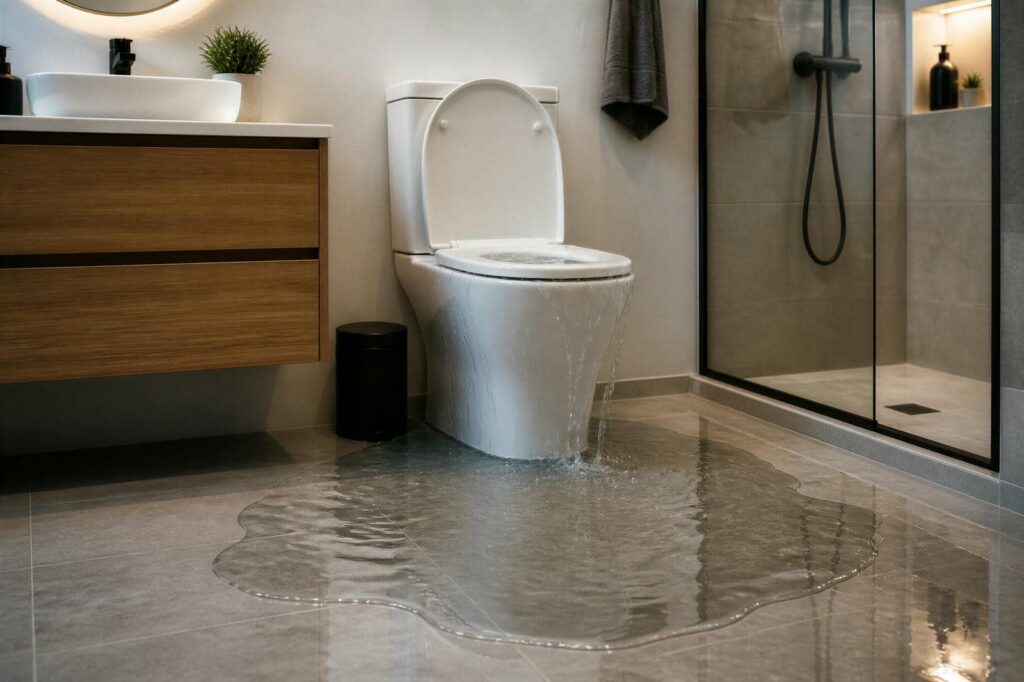
Sewage Cleanup After Heavy Rain requires immediate action to protect your health and prevent further property damage. When heavy rain turns your basement into a flooded, contaminated area, keep people and pets away, switch off the power if water is near electrical outlets, and wear gloves, waterproof boots, and a mask before entering. Once it’s safe, remove contaminated materials, thoroughly disinfect hard surfaces, dry the area completely, and identify the source of the sewage backup, as the underlying problem may still be affecting your drain or sewer system. Early cleanup and proper sanitation can help reduce the risk of mold growth and additional structural damage.
Key Takeaways
- Keep people and pets out, shut off safe electricity, and wear gloves, boots, and a mask before cleanup.
- Heavy rain can overwhelm sewers, clog drains, or expose failed backwater valves and root-blocked lines.
- Remove porous contaminated items, bag debris, and document all damage with photos for insurance.
- Clean hard surfaces with detergent and disinfectant, then dry the area with fans, ventilation, and a dehumidifier.
- Prevent future backups by clearing drains, testing sump pumps, servicing backwater valves, and checking lateral lines.
What to Do After Sewage Backup
After a sewage backup, act quickly to limit contamination and damage. You should keep people and pets out of the affected area, then shut off electricity only if you can reach the panel safely.
Wear gloves, boots, and a mask before you touch anything. Remove dry items first, bag porous materials, and discard anything saturated beyond recovery. Document damage with photos for insurance and future repairs.
Open windows if weather allows, and use fans only after standing water is gone. Clean hard surfaces with detergent, then disinfect with an approved solution.
For sewage cleanup after heavy rain, you’ll want to call trained professionals if water reaches walls, HVAC, or electrical systems. Your safest path is steady action, clear steps, and support from your cleanup team.
What Causes Sewage Backup After Heavy Rain?
Heavy rain can overwhelm sewer systems, storm drains, and private plumbing lines, forcing wastewater to back up into basements, floor drains, toilets, and low-lying fixtures.
You’re most likely to see this when runoff exceeds pipe capacity and pressure builds inside the network. Common causes include:
- Municipal sewer surcharges from inflow.
- Tree roots or debris narrowing your lateral.
- Failed backwater valves or clogged cleanouts.
- Foundation drains or sump lines tied into the sanitary system.
If you share a connected sewer with neighbors, their discharge can add load too.
Older neighborhoods face higher risk because undersized pipes and cracked joints let stormwater enter. When that happens, your property becomes part of a stressed system, and backups follow fast.
How to Clean Sewage Backup Safely
Start cleanup only after you’ve shut off power to affected areas, ventilated the space, and confirmed the sewage source is contained.
Wear waterproof gloves, boots, eye protection, and an N95 or better respirator. Keep children and pets out, and post a clear barrier so everyone in your home stays safe.
Remove porous items that touched sewage, including carpet, pad, drywall, insulation, and cardboard. Bag debris in heavy-duty plastic, seal it, and move it through a protected route.
Use disposable tools when possible, or dedicate tools to contaminated work. Scrub hard surfaces with detergent and water, then apply a disinfectant labeled for sewage contamination exactly as directed.
Rinse tools, wash hands, and launder reusable clothing separately in hot water. If contamination is widespread, call certified remediation pros.
How to Dry, Disinfect, and Prevent Mold
Once the contaminated debris is removed and the affected surfaces are scrubbed and disinfected, dry the area as quickly as possible to limit secondary damage and mold growth.
You’ll protect your home’s structure and your family’s comfort by moving fast and staying methodical.
- Open windows and run fans to move moist air out.
- Use a dehumidifier to pull water vapor from the room.
- Lift baseboards, carpets, and padding only if they can dry fully.
- Check hidden spaces, like wall cavities and under cabinets, for dampness.
After drying, keep the area clean and watch for musty odors, discoloration, or soft materials.
If you spot them, re-dry the space and disinfect again. Quick, careful action helps you stay ahead of mold and keeps everyone in the home safer.
How to Prevent Sewage Backup After Heavy Rain
To reduce the risk of sewage backup after heavy rain, you need to keep stormwater out of your sanitary sewer and maintain the plumbing and drainage systems that protect your property.
Inspect and clear gutters, downspouts, and yard drains before storms so water moves away from foundations. Test sump pumps, check backup power, and confirm discharge lines route outside the sewer connection.
Install a backwater valve if your system allows it, and service it regularly so it closes when sewer pressure rises. Seal foundation cracks, grade soil away from the house, and keep cleanouts accessible.
If you live in a high-risk area, schedule a licensed plumber to evaluate lateral lines, root intrusion, and fixture traps.
These steps help your household stay ready and protected together.
Frequently Asked Questions
How Do I Know if My Insurance Covers Sewage Cleanup?
Check your policy declarations for water, sewer, or backup endorsements, and call your agent to confirm coverage limits, exclusions, and deductibles. You’ll know fast when they explain whether cleanup, repairs, and contents are covered.
Can I Stay in My Home During Sewage Cleanup?
Usually, you shouldn’t stay; your home can become a hazard minefield. If technicians isolate affected areas and airflow is controlled, you might remain elsewhere in the house, but only if they’ve confirmed safe conditions.
How Long Does Professional Sewage Remediation Usually Take?
You’ll usually need 1–3 days for small areas, but larger or absorbed contamination can take several days more. Technicians inspect, extract, disinfect, dry, and verify safety, so you can reenter confidently.
Should I Throw Away Carpet After Sewage Contamination?
Yes, you should usually discard carpet after sewage contamination, because fibers trap pathogens and moisture. If contamination was minor and quick-dried, you might salvage it with professional cleaning, but replacement’s often safest.
When Is It Safe to Use Water-Damaged Appliances Again?
You can use water-damaged appliances again only after a qualified technician inspects, cleans, dries, and tests them. Don’t reenergize any unit with moisture, corrosion, or sewage exposure; replace damaged components first.
Summary
When sewage backs up after heavy rain, you need to act fast to protect health and property. You should keep everyone out, cut power if needed, remove contaminated materials, and disinfect every affected surface. Then dry the area completely to prevent mold. Inspect gutters, sump pumps, and backwater valves regularly, because one blocked drain can trigger a nightmare-sized mess. With prompt cleanup and routine maintenance, you can reduce future backups and keep your home safer.