
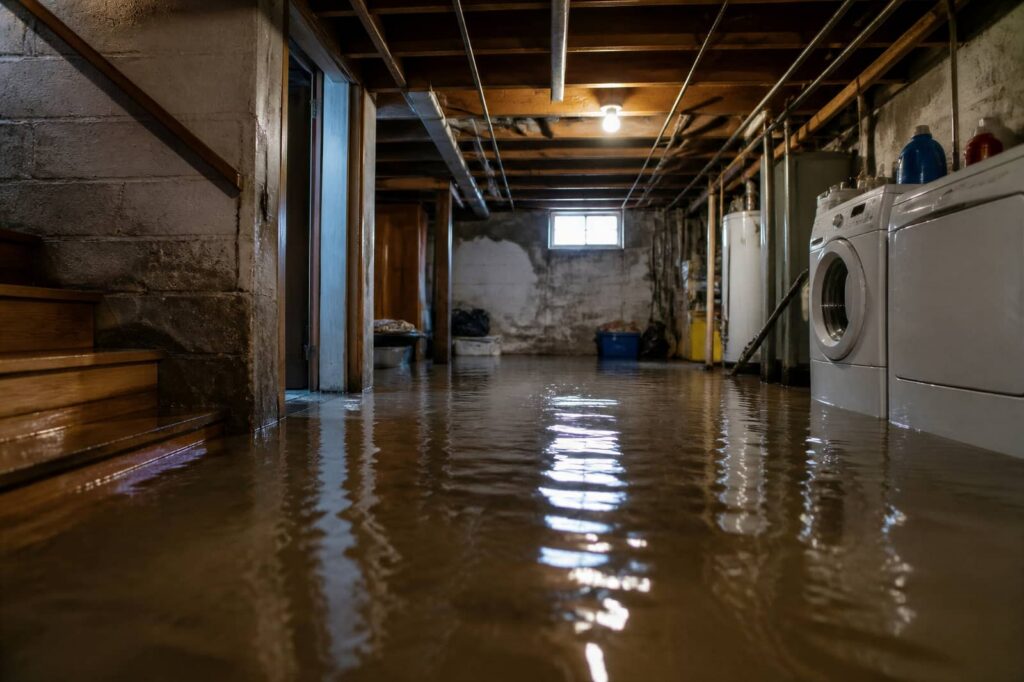
When Flooding Indoors occurs, you should remove indoor flood water as quickly as possible, with the first 24 hours often being a critical window. Every hour matters because water can quickly wick into drywall, flooring, insulation, and framing, increasing the risk of structural damage and mold growth. Start by stopping the water source, shutting off power if it is safe to do so, and addressing the most vulnerable rooms first. Acting in the right order can help limit the damage and reduce the risk of a much larger restoration project.
Key Takeaways
- Remove indoor flood water within 24 hours to limit material absorption, humidity buildup, and structural damage.
- Act immediately by stopping the water source, shutting off electricity, and documenting damage before cleanup begins.
- Start water removal in the deepest, lowest flooded rooms first, especially basements, bathrooms, kitchens, and laundry rooms.
- Mold can begin growing within 24 to 48 hours, especially on damp drywall, wood, and other porous materials.
- Call water removal professionals for large floods, contaminated water, saturated carpets, or persistent indoor humidity.
How Quickly Should You Remove Flood Water?
If flood water enters your home, you should start removing it immediately—ideally within the first 24 hours. That’s the safest benchmark when asking how fast should water be removed after flooding.
You need to act before moisture penetrates subflooring, insulation, drywall cores, and framing cavities. Within hours, water migrates, contaminants spread, and humidity climbs.
Your response should follow a clear sequence: stop incoming water, shut off electricity if safe, document damage, extract standing water, and begin airflow and dehumidification.
When you move quickly, you reduce structural swelling, corrosion, bacterial growth, persistent odors, and mold colonization. You’re not overreacting—you’re protecting your space the way prepared homeowners do.
Fast, coordinated action keeps your home recoverable, your indoor environment safer, and your restoration timeline more manageable for everyone involved.
Which Flooded Rooms Should You Dry First?
Start with the rooms that carry the highest risk of contamination and material failure: basements, bathrooms, kitchens, laundry rooms, and any space where water reached electrical systems, insulation, or porous finishes.
These areas demand your first pass because they combine moisture pathways, utility hazards, and absorbent materials.
Next, prioritize rooms with the deepest standing water, then spaces connected by shared walls, subfloors, or HVAC chases.
Work from the lowest level upward so you don’t push water into already cleared areas. If two rooms seem equal, choose the one with more porous contents, built-ins, or limited airflow.
Keep your sequence disciplined: isolate hazards, remove water, open materials, and move air.
When you follow a clear order, you protect the whole home faster and keep everyone aligned under one recovery plan.
What Damage Happens When Water Sits?
Once floodwater sits, it begins driving damage on multiple fronts at the same time: materials absorb moisture, contaminants spread, and humidity climbs fast enough to turn a localized incident into a whole-home problem.
You’ll see drywall wick water upward, insulation lose performance, wood swell, and subfloors delaminate. Flooring adhesives soften, baseboards distort, and cabinet toe-kicks trap hidden moisture.
If the source carried sewage or soil, you’re also dealing with bacteria, chemicals, and particulates that soak into porous surfaces and spread through foot traffic. Metal components can corrode, electrical connections can become unreliable, and HVAC systems can pull damp air and residues into other rooms.
The longer water remains, the more demolition you may need. Acting quickly protects your structure, your indoor air, and the shared standards your household depends on daily.
How Soon Can Mold Grow After Flooding?
How quickly can mold take hold after flooding? In many indoor environments, growth can begin within 24 to 48 hours when water, warmth, and organic material combine.
Drywall paper, wood framing, carpet backing, insulation, and dust give spores the food they need. Once surfaces stay damp, colonization accelerates.
You need to treat every flooded area like a timed contamination event. The longer moisture remains trapped in flooring, wall cavities, subfloors, and furnishings, the higher your mold risk becomes.
Relative humidity above 60 percent also supports rapid spread, even after visible water is gone. That means your community standard should be immediate action: remove standing water, isolate wet materials, and start drying at once.
Fast, coordinated response helps protect your home, health, air quality, and shared peace of mind.
When Should You Call Water Removal Professionals?
If water covers more than a small, easily contained area, you should call water removal professionals immediately.
Standing water starts soaking drywall, subfloors, insulation, and framing within hours, and you can’t fully assess hidden migration without commercial tools. You also need experts fast if water came from sewage, storm surge, appliances, or any source that may carry contaminants.
You should also escalate when carpets feel saturated, baseboards wick moisture, or humidity stays high after cleanup.
Professionals use extraction units, moisture meters, air movers, and dehumidifiers to stop structural damage and reduce mold risk.
If flooding reached electrical systems, multiple rooms, or lower levels, don’t wait. Acting early connects you with a proven response process, protects your home, and helps your household recover with confidence together, safely, and quickly.
Frequently Asked Questions
Does Homeowners Insurance Cover Indoor Flood Water Removal?
You may have coverage, but it depends on the source: sudden internal leaks are often covered, while external flooding usually isn’t without flood insurance. You should verify your policy immediately, document damage, and contact your insurer fast.
Can You Stay in a Flooded Home During Cleanup?
You shouldn’t stay in a flooded home during cleanup unless professionals confirm it’s safe. You face electrical hazards, contamination, structural weakening, and mold exposure. Protect yourself and your household by evacuating quickly and following restoration guidance.
What Equipment Is Used to Remove Indoor Flood Water?
Hit the ground running: you’ll use submersible pumps, wet/dry vacuums, extraction wands, moisture meters, dehumidifiers, air movers, and HEPA scrubbers. You protect your space faster when you follow a disciplined, team-ready water-removal process.
How Do You Document Flood Damage for Insurance Claims?
Document flood damage by photographing every room, water line, damaged items, and serial numbers; then create a dated inventory, save receipts, record cleanup efforts, and contact your insurer immediately. You’ll strengthen your claim and recovery process.
Should You Test Flood Water for Contamination Before Cleanup?
Yes—test flood water before cleanup when the source is uncertain; you protect everyone. EPA classifies most of sewage backups as hazardous. You should sample, document results, then use proper PPE and disinfection protocols.
Wrap-Up
Floodwater demands speed, not delay: you should remove it within 24 hours, or clean surfaces can turn into mold colonies and warped structures. Start with the highest-risk rooms first—basements, bathrooms, and any space with standing water—while you stop the source and cut power. What looks like a shallow puddle can hide deep material damage. If contamination, large areas, or persistent moisture are involved, don’t wait; call water removal professionals before minor loss becomes major failure.