You stop the flow, you stay clear of the area, and you call for help fast. When sewage spreads, you need rapid containment, controlled removal, and thorough disinfection before contamination reaches walls, floors, or air spaces. An emergency sewage cleanup service can isolate the site, reduce exposure, and protect your structure—but what happens in the first critical hours can change the outcome in ways you might not expect.
Key Takeaways
- Treat sewage backups as hazardous and keep people out of contaminated areas immediately.
- Emergency cleanup should contain the spread quickly to limit exposure and protect structural materials.
- Crews isolate affected zones, seal openings, and use negative pressure to control contamination spread.
- Cleanup includes removing sewage, discarding unsalvageable materials, and disinfecting all affected surfaces.
- After cleanup, dry the area, inspect for hidden moisture, and document damage for insurance claims.
What to Do Right After a Sewage Backup
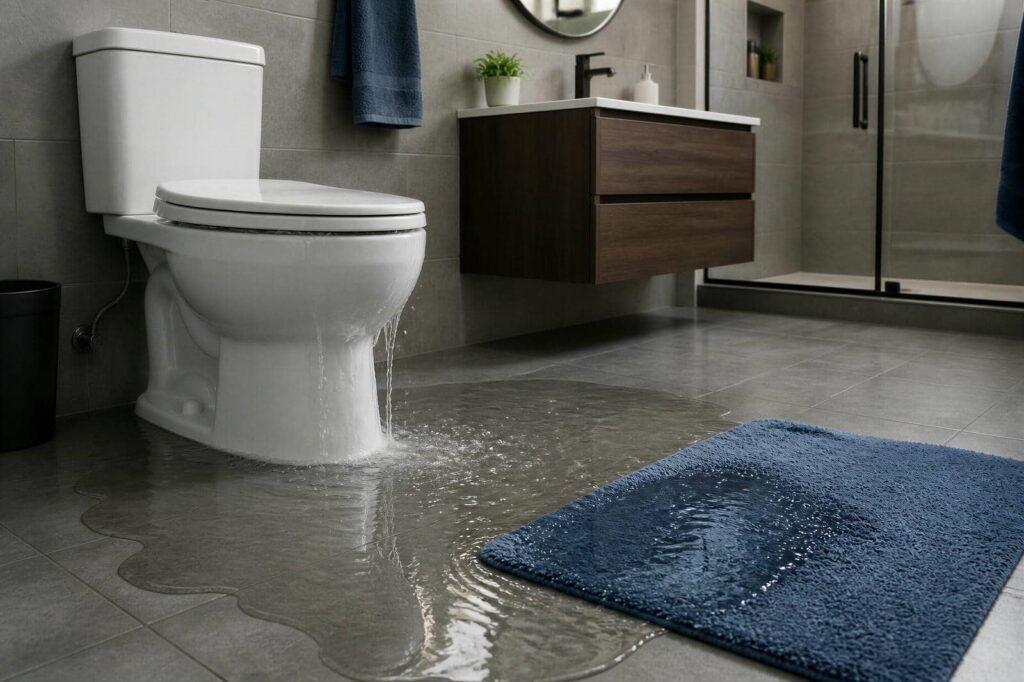
Right after a sewage backup, you should treat the area as hazardous and act quickly to limit damage. Keep everyone out of the affected space, and don’t touch contaminated water, surfaces, or belongings with bare skin.
Shut off electricity to the area if you can do so safely, since standing water can conduct current. Open nearby windows to improve ventilation, but avoid running fans that can spread contamination.
Remove dry items from the perimeter, and place wet materials in sealed bags if you can move them without contact. Document visible damage with photos for your records.
Then contact an emergency sewage cleanup service so your team can assess the site, contain the contamination, and begin safe removal before the problem spreads further.
Why Call an Emergency Sewage Cleanup Service
You should call an emergency sewage cleanup service because it can rapidly contain contaminated water and limit exposure to hazardous pathogens.
Acting quickly helps prevent the sewage from spreading into structural materials, flooring, and concealed spaces.
With prompt professional cleanup, you reduce damage and restore the area safely.
Rapid Contamination Control
When sewage enters a property, an emergency sewage cleanup service can remove hazardous water fast and start safe cleanup before contamination spreads further. You get rapid source control, which limits how far pathogens, odors, and wastewater move through your space.
Technicians isolate affected zones, extract standing sewage, and deploy targeted disinfection to lower microbial load. This quick response helps you stay ahead of cross-contamination in shared rooms, hallways, and utility areas.
You also gain a coordinated team that speaks clearly, works efficiently, and keeps you informed, so you don’t face the situation alone. By acting early, you protect your household’s daily routine and keep the cleanup focused, measured, and under control.
Safe Damage Prevention
Calling an emergency sewage cleanup service helps stop water damage before it spreads into walls, flooring, insulation, and structural materials.
You get trained technicians who isolate the area, remove hazardous water fast, and reduce the chance of hidden moisture pockets that can weaken framing and subfloors.
They use extraction, containment, and drying equipment to protect your home’s structure and limit secondary damage from mold and corrosion.
You also avoid unsafe contact with contaminated surfaces while the cleanup team handles disposal and sanitation.
Acting quickly gives you a safer, more stable recovery path and helps you stay connected to the space you call home.
When contamination spreads, prompt professional response protects both your property and your peace of mind.
How Crews Contain Sewage Contamination
Crews first isolate the affected area to stop sewage from spreading into adjacent rooms, flooring, and wall cavities. You’ll see them set barriers, seal openings, and control traffic so the contamination stays where it is. This careful setup protects your home and helps your crew work as one focused team.
They map the spread path and mark unsafe zones.
They use negative pressure to limit airborne movement.
They protect access points so contaminants don’t migrate.
You can feel confident knowing each step targets containment first, not shortcuts. Crews watch for hidden seepage, tighten controls as conditions change, and keep you informed.
That steady process gives your space the best chance for a safer, cleaner recovery without adding avoidable disruption.
What Cleanup Crews Remove and Disinfect
You’ll see crews remove contaminated water, solids, and porous materials that can’t be safely restored.
They then clean and disinfect affected surfaces with approved agents to reduce pathogens and stop further spread.
This process helps stabilize the area quickly and prepares it for safe drying and repair.
Sewage Removal Steps
First, technicians quickly extract the sewage and any standing contaminated water to stop it from soaking deeper into floors, walls, and subflooring.
You’ll see them isolate the area, set containment, and remove porous materials that can’t be safely salvaged. They also collect debris, sludge, and any saturated items that trap contamination. To keep your space controlled, they use vacuums, pumps, and sealed transport containers.
- Remove visible waste and pooled liquid
- Bag and discard unsalvageable contents
- Rinse tools and prepare the site for the next phase
You’re not handling this alone; the crew works methodically so your property can move toward safe recovery. Their process limits spread, reduces odor sources, and helps you regain a cleaner, more stable environment.
Surface Disinfection Process
After the contaminated water is removed, technicians clean and disinfect all affected surfaces to stop bacteria, viruses, and other pathogens from lingering in the structure.
You’ll see crews remove porous materials that can’t be fully sanitized, then scrub hard surfaces with EPA-registered disinfectants matched to the contamination level.
They treat floors, baseboards, walls, cabinets, fixtures, and tools, paying close attention to seams, corners, and hidden contact points.
You get a safer space because technicians follow proper dwell times, rinse when required, and repeat treatment if testing shows contamination remains.
If odors persist, they also deodorize and confirm dryness to limit regrowth.
This process helps your home or business return to a condition where your household or team can feel protected, informed, and confident together.
How to Protect Your Home After Cleanup
Once the sewage has been removed and the area is cleaned, you still need to protect your home from lingering moisture and hidden contamination. You can help keep your space safe by monitoring every affected surface and keeping humidity low.
Run fans and a dehumidifier to dry floors, trim, and wall cavities.
Inspect baseboards, subfloors, and nearby materials for dampness, stains, or odors.
Keep cleaned areas closed off until they stay dry and stable.
Wipe hard surfaces with approved disinfectant, then replace porous items that stayed wet too long.
Check caulk, grout, and sealants so water can’t return. If you stay consistent, you’ll protect your home and support a healthier environment for everyone inside.
When to Start Repairs and Insurance Claims
As soon as the cleanup team confirms the area is dry and safe, you can begin repairs and file your insurance claim without delay.
Document every affected surface, material, and fixture before work starts, then keep dated photos, invoices, and moisture readings.
You should notify your insurer right away, because prompt reporting helps protect coverage and speeds review.
Start repairs only after the source is controlled, contaminated materials are removed, and the space has passed clearance checks.
If your policy requires preferred vendors or adjuster approval, follow those steps exactly.
By acting in order, you keep your home’s recovery organized and your household on the same page.
That steady process reduces stress, limits delays, and helps you move forward with confidence.
Frequently Asked Questions
How Long Does Emergency Sewage Cleanup Usually Take?
It usually takes 4 to 24 hours, depending on contamination, access, and drying needs. You’ll get fast extraction, sanitation, and initial drying first, then follow-up work if damage reached walls, floors, or ducts.
Can Sewage Damage HVAC Systems and Air Ducts?
Yes—sewage can damage your HVAC systems and air ducts, like a dark tide invading hidden corridors. You’ll need prompt cleanup, because contamination can corrode components, spread odors, and carry pathogens through your home’s breathing pathways.
Is It Safe to Stay Home During Sewage Cleanup?
No, you shouldn’t stay home during sewage cleanup unless professionals say it’s safe. You can breathe in harmful aerosols and contact pathogens; leave the area, follow containment instructions, and return only after clearance.
What Certifications Should Sewage Cleanup Technicians Have?
You should look for technicians with OSHA HAZWOPER, EPA, and IICRC certifications; they’re the shield-bearers in your flood. You’ll feel safer knowing they’ve trained for biohazards, containment, and disinfection with precise, verified procedures.
How Do You Know if Sewage Seeped Into Walls?
You’ll notice sewage has seeped into walls if you smell a foul odor, see staining, swelling, or soft drywall, and feel dampness. You should inspect baseboards, use a moisture meter, and act fast to prevent contamination spread.
Conclusion
When sewage spreads, you need to act fast and let trained crews take control. You protect your space by stopping use, isolating the area, and calling an emergency sewage cleanup service right away. They contain contamination, remove waste, disinfect surfaces, and reduce hidden risks before they grow like roots under a foundation. After cleanup, you can document damage, start repairs, and file claims with more confidence, knowing your home’s safety comes first.