
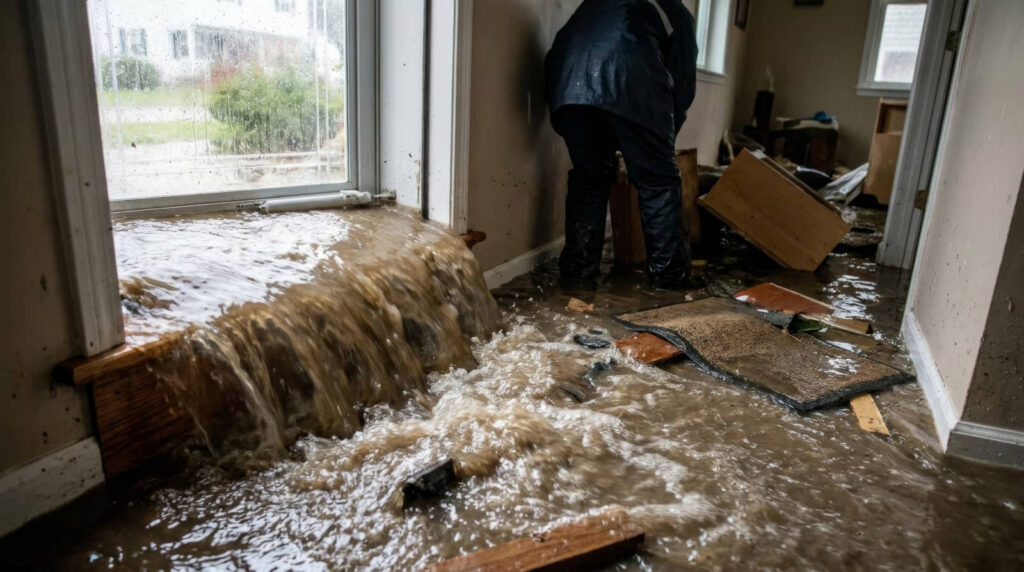
When you’re dealing with flood damage restoration, the timeline usually runs from a few days to several weeks, depending on how far water has spread and what it’s soaked into. You’ll see drying first, then cleanup, sanitation, and repairs, but hidden moisture, material type, and water source can change the pace. The real question is which factors are slowing your project down—and that’s where the details start to matter.
Key Takeaways
- Flood damage restoration usually takes a few days to several weeks, depending on water spread and structural damage.
- Drying time varies with material type, humidity, temperature, ventilation, and hidden moisture pockets.
- Minor surface damage dries and repairs quickly, while drywall, flooring, and structural damage take much longer.
- Clean water jobs are faster; gray water and black water require more sanitation, demolition, and inspection.
- Completion requires dry moisture readings, safe conditions, repaired systems, and a final walkthrough with clearance.
How Long Flood Damage Restoration Takes
Flood damage restoration can take anywhere from a few days to several weeks, depending on how much water entered the property and how quickly the drying process begins.
You’ll usually see the first phase start with water extraction, then controlled drying, sanitation, and structural repairs.
If you’re asking how long flood damage restoration takes, the answer depends on how far moisture spread through floors, walls, and hidden cavities.
You’ll get the best results when a trained team acts fast and monitors conditions with meters and drying equipment.
That process helps protect your home, your routine, and your sense of stability.
With clear steps and steady communication, you won’t have to guess what comes next; you’ll know you’re moving toward recovery.
What Affects Flood Drying Time?
Drying time depends on how much water soaked into the structure, the materials involved, and how quickly extraction started.
You’ll usually dry faster when water only reached surface layers and slower when it penetrated subfloors, insulation, or wall cavities.
Porous materials such as drywall, carpet pad, and wood absorb moisture and need controlled airflow, heat, and dehumidification.
Dense materials like tile and metal release water sooner.
Your indoor temperature, humidity, and ventilation also shape the timeline, because balanced conditions let moisture move out steadily.
If you act quickly and use professional moisture readings, you can track progress with confidence.
You’re not guessing—you’re following measurable changes that show when your space is moving from wet to stable and ready for the next restoration step.
What Slows Flood Restoration Down?
Hidden moisture pockets can slow your restoration because water often stays trapped behind walls, under flooring, and inside cavities that surface checks can miss.
Heavily saturated materials need longer drying, more extraction, and sometimes removal before repairs can start.
Mold growth and structural instability can also delay progress, but you’ll usually get the fastest safe results when each issue is identified early and addressed in order.
Hidden Moisture Pockets
Water trapped inside wall cavities, under flooring, or behind cabinets can add days to a restoration timeline because it’s not always visible during the initial inspection.
You may think the area is dry, but moisture often lingers in seams, insulation, and framing members. Your restoration team uses thermal imaging, moisture meters, and targeted probing to locate these pockets before they spread odor, swelling, or microbial growth.
That extra detection step slows work, but it protects your home and helps you rejoin a safe, stable space. If you’re waiting longer than expected, that usually means technicians are confirming hidden areas are dry, not guessing.
Once they verify those pockets, they can move forward with confidence, and you can feel supported throughout the process.
Material Saturation Levels
Once those hidden pockets are mapped, the next factor is how deeply each material has absorbed water. You’ll see fast progress when surface layers stay damp, but saturated drywall, insulation, or subflooring hold moisture longer and need more controlled drying.
Dense materials release water slowly, so your team measures moisture content, not just surface feel, to set realistic timelines. If absorption is shallow, dehumidifiers and airflow can work quickly. If water has penetrated deeply, technicians may need repeated extraction and longer stabilization before repairs begin.
You aren’t guessing here; you’re tracking measurable saturation levels that guide each step. That precision helps your restoration stay efficient, limits unnecessary removal, and keeps you connected to a process that’s clear, organized, and built around your home’s actual conditions.
Mold And Structural Delays
Mold growth and structural damage can slow restoration fast because they change the scope of work from drying to containment, removal, and repair.
You’ll usually need more time when crews must protect your home, your air, and your family. Delays often come from:
- Hidden moisture in wall cavities or subfloors.
- Mold testing, isolation, and HEPA filtration.
- Damaged framing, joists, or load-bearing materials.
- Permit checks and repair sequencing.
You’re not facing a setback alone; these steps help ensure the structure dries safely and meets code.
If mold spreads or framing weakens, restoration can shift from days to weeks. A qualified team will document damage, explain each phase, and keep you informed so you know what’s next and why it matters.
How Flood Cleanup Works
Flood cleanup starts with a rapid assessment of the damage so the crew can remove standing water, identify safety hazards, and set the right drying plan.
You’ll see technicians map affected areas, test moisture levels, and document what’s salvageable so you know exactly where work stands. They extract water with pumps and vacuums, then remove saturated contents that can’t be safely cleaned.
Next, they wash hard surfaces, apply antimicrobial treatments when needed, and place air movers and dehumidifiers to speed evaporation.
You stay informed through clear updates, because good cleanup depends on coordination and trust.
The crew monitors humidity, temperature, and material dryness until conditions stabilize.
This organized process helps protect your home, limit delays, and move your restoration team from emergency response into recovery with confidence.
When Flood Damage Demolition Is Needed
You’ll need demolition when flood damage has penetrated structural materials, caused persistent odor or microbial growth, or left components warped, swollen, or delaminated after drying.
You should remove materials like saturated drywall, insulation, particleboard, carpet padding, and any visibly compromised wood that can’t be reliably restored.
This step can feel disruptive, but it’s often the fastest way to stop hidden damage and set up a safe, efficient repair timeline.
Signs Demolition Is Needed
A few warning signs show demolition is necessary after flooding: structural materials that stay swollen, soft, or delaminated after drying; drywall that crumbles or wicks moisture above the visible water line; subflooring that remains spongy; and framing with significant warping, splitting, or microbial growth in concealed spaces.
When you see these conditions, you’re protecting the structure, not overreacting. Your team can verify hidden damage with moisture readings, probing, and targeted inspection so you know what’s safe to keep.
- Persistent swelling after drying
- Crumbling or moisture-wicking drywall
- Spongy subflooring underfoot
- Warped, split, or contaminated framing
If these signs appear, demolition helps you prevent trapped moisture, structural loss, and future repairs. You’re not alone in this process; a careful assessment keeps your restoration on track.
Materials Requiring Removal
Materials that stay saturated, distorted, or contaminated after drying usually need removal to protect the structure and indoor air quality. You’ll often see this with drywall, insulation, carpet pad, particleboard, and baseboards, because these materials trap moisture and can’t reliably regain their strength.
If floodwater reached porous finishes, sewage, or hidden cavities, removal helps stop mold growth and lingering odors before they spread. You can usually keep solid framing, masonry, and metal if they test dry and sound.
A qualified technician will inspect, cut test openings, and confirm what’s salvageable versus what must come out. That clear separation shortens delays, keeps your project controlled, and helps your home recover safely.
How Repair Timelines Change by Damage Type
Repair timelines shift markedly based on the type and extent of damage, because each material responds differently to water exposure. You’ll usually see the fastest recovery when only finish surfaces need attention, while structural saturation extends the schedule.
Your team first stabilizes the area, then repairs each component in sequence, so you stay informed and supported.
Minor surface damage: drying and touch-up can finish quickly.
Drywall and insulation damage: removal and replacement add several days.
Flooring damage: subfloor checks and reinstall work lengthen the process.
Framing or structural damage: inspection, drying, and rebuilding take the longest.
When you understand the damage type, you can plan realistically and avoid surprises. Clear communication helps your crew move efficiently and keeps your restoration on track.
How Water Source Changes Restoration Time
The water source also shapes your restoration timeline, because different categories of water require different safety steps, cleanup methods, and drying controls.
Clean water from supply lines usually lets you begin mitigation sooner and often means a shorter path to drying and repair.
Gray water from appliances can add inspection, sanitation, and selective material removal, which extends your schedule.
Black water from sewage or floodwater usually demands the most time because you need full contamination control, more demolition, and stricter drying verification before rebuilding starts.
You’ll also see delays when water has moved through wall cavities, insulation, or subfloors, since hidden moisture takes longer to document and remove.
In every case, your team measures the source first, then sets a timeline that matches the risk and the affected materials.
How to Speed Up Flood Restoration
To speed up flood restoration, you need to act quickly and sequence the work correctly: stop the water source, remove standing water, start dehumidification, and open up only the materials that have trapped moisture or contamination.
You’ll move faster when you keep the site organized and coordinate each trade step-by-step, so everyone knows their role and you avoid rework.
- Isolate the affected area and protect clean zones.
- Extract water with high-capacity equipment right away.
- Run air movers and dehumidifiers continuously.
- Remove soaked drywall, insulation, and flooring only where needed.
Use moisture meters and daily checks to guide decisions, not guesswork.
The right sequence keeps your crew aligned, limits spread, and gets your space back sooner, with less disruption and better results for everyone involved.
How to Tell Restoration Is Complete
You’ll know flood restoration is complete when the structure is dry, stable, and safe to reoccupy, with moisture readings back to normal levels and no visible signs of lingering water damage.
You should see consistent humidity, clean air, and no musty odor in rooms, closets, or crawl spaces.
Walls, subfloors, framing, and insulation need to test within normal moisture ranges, and repaired surfaces should feel solid, not soft or warped.
Your contractor should verify that electrical, plumbing, and HVAC systems work properly and that all sanitation concerns are resolved.
Final walkthroughs, documentation, and written clearance help confirm the job’s done right.
When you can return with confidence, you’re not just back home—you’re back with your space, your routine, and your peace of mind intact.
Frequently Asked Questions
Can Flood Damage Restoration Begin Before Insurance Approval?
Yes, you can often start emergency mitigation before approval. You should document damage, contact your insurer, and act fast to stop further loss. You’ll usually protect eligibility while keeping your restoration timeline moving.
Do Personal Belongings Affect Flood Restoration Timelines?
Yes, your personal belongings can slow restoration if you’ve got many items to sort, clean, or dry. You’ll speed things up by separating salvageable pieces early, allowing crews clear access, and documenting losses promptly.
How Often Should Moisture Readings Be Checked During Drying?
You should check moisture readings every 12 to 24 hours during drying. This lets you verify progress, adjust airflow or dehumidification, and catch hidden dampness early, so you’ll stay informed and supported throughout restoration.
Can Mold Appear While Restoration Is Still in Progress?
Yes, it can, and you’ll want to catch it early: even while drying continues, hidden moisture can seed mold. You’ll stay safer when you monitor readings closely, keep air moving, and let technicians verify dryness.
Are Permits Ever Required for Flood Damage Repairs?
Yes, you’ll sometimes need permits for flood damage repairs, especially if you replace electrical, plumbing, structural, or HVAC components. You should check local codes early, so you can keep your project safe, compliant, and moving forward.
Wrap-Up
Your flood restoration timeline depends on what the water touched and how deeply it traveled. When you act fast, you help the process move from extraction to drying, sanitation, and repair with fewer delays. Think of moisture like a hidden tide: once it recedes, your structure can rebuild. With professional monitoring and timely repairs, you’ll know the job’s complete when surfaces are dry, materials are stable, and the space feels safe again.