You probably don’t know that water from a burst pipe can seep into wall cavities and subfloors within minutes, long before the visible puddle looks serious. You need to shut off the main supply, cut power to wet areas, and remove standing water fast. Then you’ve got to dry hidden spaces before mold and structural damage start spreading. The next step for burst pipe water damage repair depends on what’s already been affected.
Key Takeaways
- Shut off the main water supply immediately to stop more flooding.
- Cut power to wet areas and keep people away from slippery floors and sagging ceilings.
- Open a faucet to relieve pressure and prevent additional pipe damage.
- Remove standing water quickly with a wet/dry vac, pump, or squeegee.
- Dry the area fast with fans and dehumidifiers, and call a plumber if the leak continues.
What to Do First After a Burst Pipe?
First, shut off the main water supply to stop more water from entering the pipe, then cut power to any affected area if water is near outlets, appliances, or electrical panels.
Next, move quickly through the space and protect your crew, family, or roommates by keeping everyone clear of slick floors, sagging ceilings, and soaked wiring.
Document the burst pipe water damage repair scene with photos and short notes for insurance and contractors.
Pull valuables, papers, and electronics out of the wet zone, and place aluminum foil or wood blocks under furniture legs to reduce staining.
Open windows if conditions allow, and start airflow with fans or HVAC only when electricity is safe.
Act now; fast response limits structural damage and helps your home recover as a team.
Shut Off Water and Stop the Leak
Move fast and shut off the main water supply as soon as you confirm a burst pipe, because every second of flow can add more moisture to walls, floors, and framing.
If you’re in a multiunit building, alert neighbors or building staff so they can protect shared spaces and shut down any connected lines.
Then open the nearest faucet to relieve pressure and help drain the remaining water in the pipe. If the break is visible, close the valve feeding that branch line too.
You’re protecting your home and helping your crew work from a controlled, safer setup.
Keep a wrench or valve key handy if the shutoff is stiff, and don’t force brittle parts.
Once the leak stops, inspect for continued drips and call a licensed plumber immediately.
Remove Standing Water Quickly
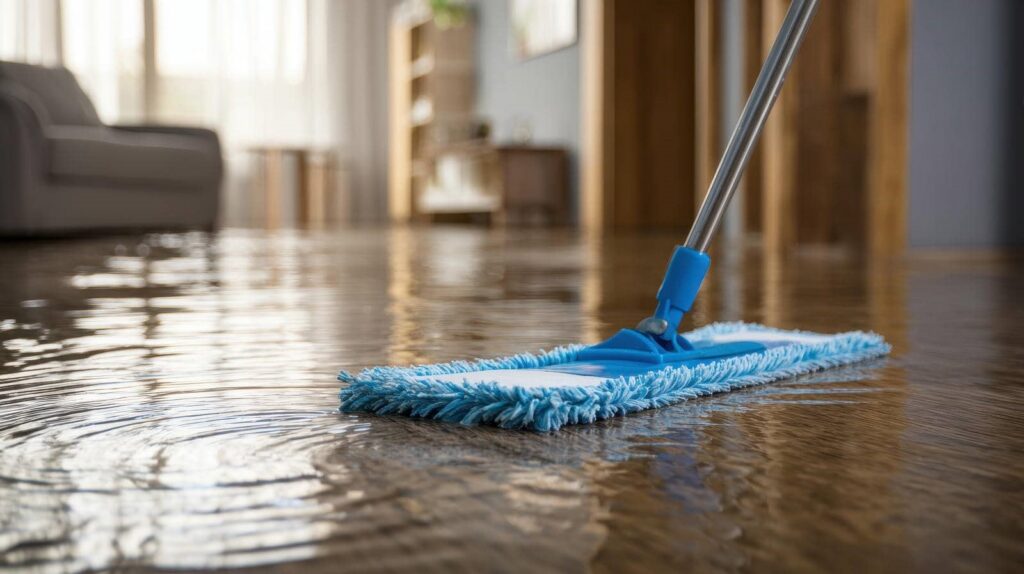
Now that the leak is stopped, remove standing water immediately to limit swelling, staining, and hidden moisture migration into subfloors and wall cavities.
Start with a wet/dry vac, squeegee, or pump, and work from the lowest point toward exits so you don’t spread the water. Empty buckets fast, and keep your tools moving until the surface looks dry.
If water pooled under rugs or furniture, lift those items right away so you can clear the floor beneath them. Wear boots and gloves, because contaminated water can hide debris and sharp edges.
Stay organized: one person removes water, another moves materials, and a third checks adjacent rooms. Quick action protects your home’s structure and helps your crew stay ahead of the damage together.
Dry Walls, Floors, and Hidden Areas
With the standing water gone, you need to dry walls, floors, and hidden areas fast to stop mold growth and material breakdown.
Pull baseboards, open cabinet doors, and expose wet cavities so air can move through every layer. Set up high-velocity fans to push moisture out, and use dehumidifiers to pull it from the air and materials.
If flooring feels soft, lift edges so trapped water doesn’t stay underlayment. Check behind furniture, inside closets, and around insulation where dampness lingers.
You should monitor humidity and surface dryness every few hours, because hidden moisture can keep spreading damage long after the visible water’s gone.
Act like a tight team: seal off the wet zone, keep airflow steady, and don’t let any damp pocket stay behind.
When to Call a Plumber for Burst Pipe Repair
Call a plumber as soon as you suspect the pipe itself is cracked, split, or still leaking after you shut off the main water supply. You’re dealing with a pressurized system, so a hidden break can keep feeding water into walls, floors, and ceilings.
If you see rust-colored staining, hear hissing, notice a sudden drop in pressure, or can’t isolate the leak, don’t wait. A licensed plumber can locate the failure, replace damaged sections, and test for secondary leaks before mold, rot, or electrical hazards spread.
You’re not overreacting by calling early; you’re protecting your home and everyone in it. Acting fast helps your crew get the system stable, so you can move from emergency mode to cleanup with confidence.
Frequently Asked Questions
How Do I Document Burst Pipe Damage for Insurance Claims?
You document burst pipe damage by photographing everything, recording dates, listing affected items, saving receipts, and noting the leak source. You’ll support your claim faster if you call your insurer immediately and keep records organized.
Which Household Items Can Be Safely Saved After Water Exposure?
Apples to apples: you can safely save hard plastic, metal, glass, and sealed ceramics. You’ll need to discard soaked paper, fabric, insulation, and electronics unless you dry them immediately and inspect for corrosion.
How Can I Detect Mold Growth After a Burst Pipe?
You can detect mold by checking for musty odors, discoloration, peeling paint, and fuzzy spots on walls, floors, or fabrics. Inspect damp areas daily, use a moisture meter, and call a professional quickly if you suspect growth.
What Temporary Repairs Can Prevent Further Water Damage?
You can shut off the water, patch small leaks with pipe repair tape or epoxy putty, tighten fittings, and place buckets, tarps, or plastic sheeting. Then you’ll slow spread, protect materials, and buy time.
How Long Does Burst Pipe Water Damage Restoration Usually Take?
Usually, you’ll need 3–7 days; severe damage can take longer. Act fast, or water spreads like wildfire. You should extract, dry, sanitize, and repair quickly, and you’ll protect your home, team, and peace.
Summary
When a pipe bursts, every second counts, so shut off the water, cut power to the affected area, and act fast. Use a wet/dry vac to clear standing water, then dry walls, floors, and hidden spaces with fans and dehumidifiers. Think of moisture like a wildfire—it spreads silently and causes bigger damage if you ignore it. If the leak won’t stop, call a plumber right away before mold and structural problems take hold.