
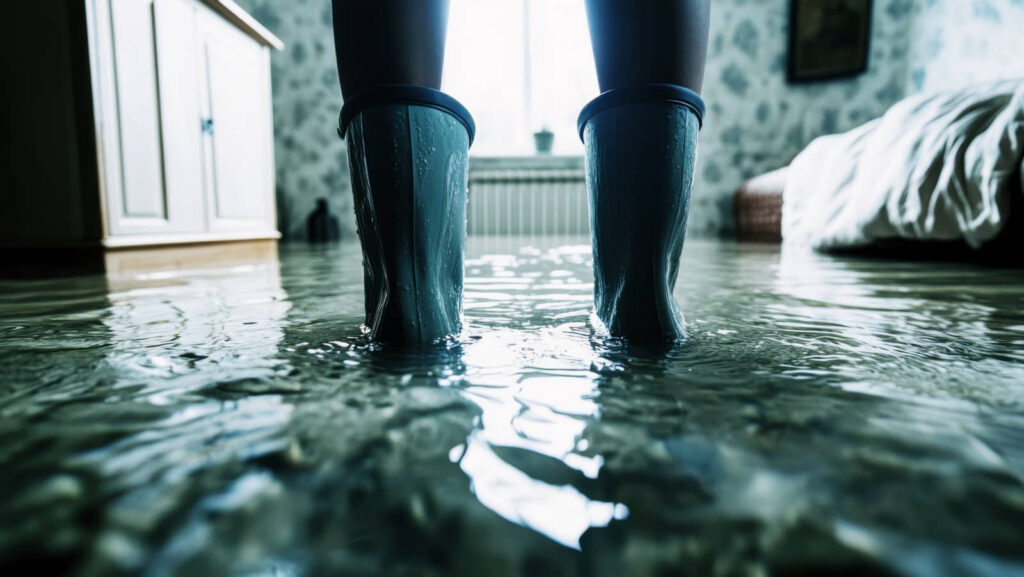
After a major water loss, flood damage restoration requires you to act fast and in the right order. Shut off power, stop the source if you can, and document every affected area for insurance. Then remove standing water, discard unsalvageable materials, and dry the structure before mold starts. The real challenge comes next, when hidden damage can still compromise repairs and future safety.
Key Takeaways
- Turn off electricity and shut off the water source if safe to prevent further damage and electrical hazards.
- Keep people away from standing water and weakened areas, and wear boots, gloves, and eye protection before reentry.
- Document all damage with photos, video, and an inventory list for insurance claims.
- Remove standing water, bag debris, and discard materials that cannot be dried and sanitized.
- Dry the property quickly with air movers and dehumidifiers, then repair damage and add flood prevention measures.
What to Do First After Flood Damage
The first thing you should do after flood damage is protect safety and stop further harm. Turn off electricity if you can do it safely, and keep everyone out of standing water and weakened rooms.
Document visible damage with photos and notes, then contact your insurer and a trusted flood damage restoration team right away. Move dry belongings to a clean, dry area only if the path is safe. Remove small wet items that you can handle without spreading contamination.
Open windows if weather permits to improve airflow. Don’t use household fans on soaked materials yet. Act fast, stay organized, and follow your recovery plan.
You’re not handling this alone; a coordinated response helps you regain control and protects your home from deeper loss.
Stop the Water and Make It Safe
If water is still entering the space, shut off the source right away if you can do so safely, or call the utility company or emergency services for help.
Next, cut power to affected areas at the breaker if moisture is near outlets, cords, or appliances. Don’t touch wet electrical equipment, and keep everyone out of standing water until you know the area is safe.
If the source is a burst pipe, close the main valve and open faucets to relieve pressure. If sewage, chemical runoff, or gas may be involved, leave the area and let professionals handle it.
Put on boots, gloves, and eye protection before reentry. You and your team can move faster once the scene is stabilized and hazards are controlled.
Document Flood Damage for Insurance
Once the site is safe and the water source is controlled, start documenting the loss for your insurance claim.
You should take wide and close photos of every affected room, including walls, floors, baseboards, cabinets, and belongings. Capture water lines, stains, discoloration, and visible structural damage.
Record video while narrating what you see, then note dates, times, and weather conditions.
Make a simple inventory of damaged items with brand, model, age, and estimated value. Save receipts, maintenance records, and any emergency expenses.
Keep originals in a secure folder and back up digital files.
Contact your insurer promptly, share the claim number, and ask what proof they need.
Clear records help your team stay organized and support a smoother settlement.
Remove Standing Water and Damaged Materials
Pump out standing water as quickly as possible, then remove soaked materials that can’t be dried and sanitized. You should use submersible pumps, wet vacs, or truck-mounted extraction to clear floors, crawl spaces, and low areas.
Pull up carpet, carpet pad, insulation, drywall, and baseboards that stayed saturated. Bag debris as you work, and keep salvageable items separate from waste.
Shut off circuits in affected zones before you handle wet material near outlets or appliances. Wear gloves, boots, and eye protection, and watch for sharp edges, nails, and contaminated residue.
Work room by room so you can track what’s been removed and what remains. If you act fast and stay organized, you’ll protect the structure and make the next restoration steps easier for your team.
Dry Out the Property Before Mold Starts
After you’ve removed standing water and damaged materials, you need to dry the property immediately to stop mold growth and secondary damage.
Set up high-velocity air movers to push air across wet surfaces and position dehumidifiers to pull moisture from the air. Open access points only when outdoor conditions help drying, and keep windows closed in humid weather.
Check humidity, temperature, and material moisture daily with meters so you can track progress. Lift rugs, separate stacked items, and create airflow around hidden cavities and baseboards.
Run equipment continuously until readings return to safe levels. You’re not just drying a structure—you’re restoring a safe place for your household.
Fast, disciplined drying protects materials, limits odors, and reduces the chance you’ll face bigger losses later.
Repair Floors, Walls, and Salvageable Belongings
With the property fully dried, you can begin repairing floors, walls, and salvageable belongings that can be safely restored.
Remove warped flooring, cut back damaged drywall, and inspect subfloors for hidden weakening. Replace only materials that can’t regain structural integrity, so you keep costs focused and work efficient.
For belongings, sort items by material and contamination level before cleaning.
- Pull up buckled carpet, vinyl, or laminate.
- Patch wall cavities, then reinstall clean drywall sections.
- Clean, disinfect, and dry furniture, books, and decor.
You’ll move faster when you document each item and work room by room.
Keep salvaged pieces separated from debris so your space stays organized and you feel in control. Precision here helps your home feel like yours again.
Prevent Future Flood Damage
You can reduce future flood risk by waterproofing your basement walls with sealants, membranes, or drainage coatings that block moisture intrusion.
Install a sump pump system with a battery backup so it can move water out during heavy rain or power loss.
Together, these upgrades help you protect your property before the next flood event.
Waterproofing Basement Walls
Waterproofing basement walls helps keep future floodwater from seeping back into your home, especially in areas that routinely collect moisture. You can reduce seepage by sealing cracks, applying a compatible masonry coating, and managing exterior drainage at the wall line.
These steps strengthen your basement envelope and support a drier, more reliable space for your household.
- Inspect walls for hairline cracks and active leaks.
- Clean, repair, and seal porous surfaces before coating.
- Recheck joints after heavy rain to catch new moisture paths.
When you treat the walls early, you protect stored items, preserve finishes, and stay part of a community that values preparedness.
Use products rated for below-grade use, follow cure times, and test each area before you finish the room.
Install Sump Pump Systems
A sump pump system gives your basement a controlled way to remove water before it spreads and causes structural or finish damage.
You install the basin at the lowest point, then connect the pump to a discharge line that moves water away from your foundation. Choose a unit with enough capacity for your soil, groundwater, and flood risk, and add a battery backup so you’re protected during outages.
Test the float switch, check the check valve, and clear the pit regularly to keep the system ready. If you’ve already joined the group of homeowners recovering from water loss, this upgrade helps you stay ahead of the next storm.
With proper maintenance, your pump works quietly, protects your structure, and gives you confidence when heavy rain returns.
Frequently Asked Questions
How Long Does Flood Restoration Usually Take?
Usually, you’ll need three to seven days for drying and cleanup, but full restoration can take one to four weeks. You’ll speed it up by acting fast, documenting damage, and coordinating repairs promptly.
Does Homeowners Insurance Cover All Flood Damage?
No, you usually won’t get full coverage. You’ll need to check your policy, since homeowners insurance often excludes flooding. You should verify limits, deductibles, and separate flood coverage so you’re not left high and dry.
Can Electronics Be Saved After Flood Exposure?
Yes, you can save electronics if you disconnect them, dry them quickly, and have them inspected. You’ll reduce corrosion risk by avoiding power-ups, removing batteries, and using professional cleaning before testing.
Should I Hire a Restoration Company Immediately?
Yes—you should hire a restoration company immediately; they’ll stabilize the situation, reduce further harm, and document losses. You’ll fit right in with a coordinated response, and fast action can protect your home and belongings.
What Permits Are Needed for Flood Repairs?
You’ll usually need building, electrical, plumbing, and mechanical permits for flood repairs; your local building department can confirm. If you’re replacing structural members or changing layouts, you’ll likely need additional approvals before work starts.
Conclusion
You’ve seen the process: stop the source, make the space safe, document every loss, remove water fast, and dry the structure before mold can take hold. The theory that “a little water will dry on its own” is usually false after major loss; hidden moisture keeps damaging materials and raising repair costs. Finish by restoring salvageable items and upgrading protections like waterproofing and sump pumps so you’re better prepared next time.